Musk Refuses to Give Ukraine Starlink for Strikes on Russia
The Atlantic reveals the background to Musk's decision, while Zelensky simultaneously appeals to allies for more air defense and faster bureaucratic processes for missile production.
The Atlantic reveals the background to Musk's decision, while Zelensky simultaneously appeals to allies for more air defense and faster bureaucratic processes for missile production.
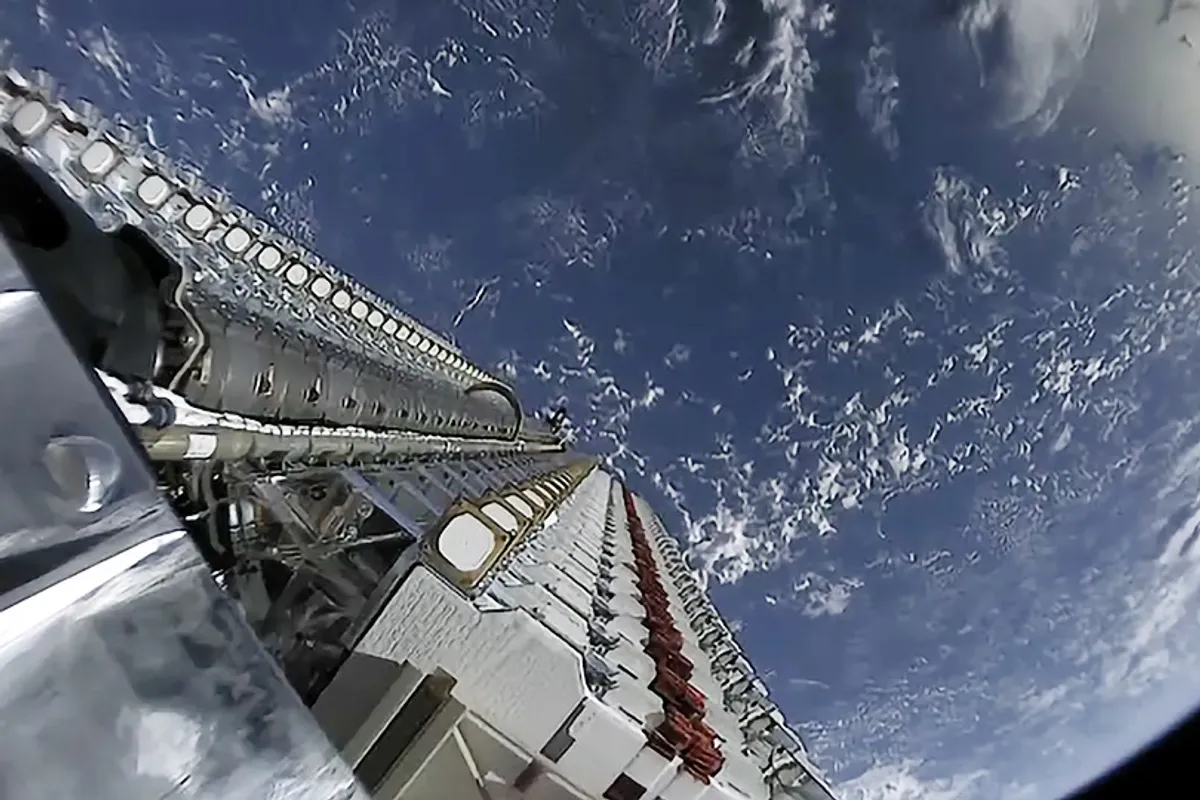
American billionaire and SpaceX owner Elon Musk is currently refusing to allow Ukraine to use Starlink satellite internet to guide attacks on targets on Russian territory, The Atlantic reveals. According to sources close to former Ukrainian Defense Minister Mykhailo Fedorov, Musk believes it is time for Ukraine to reach a peace agreement with Russia.
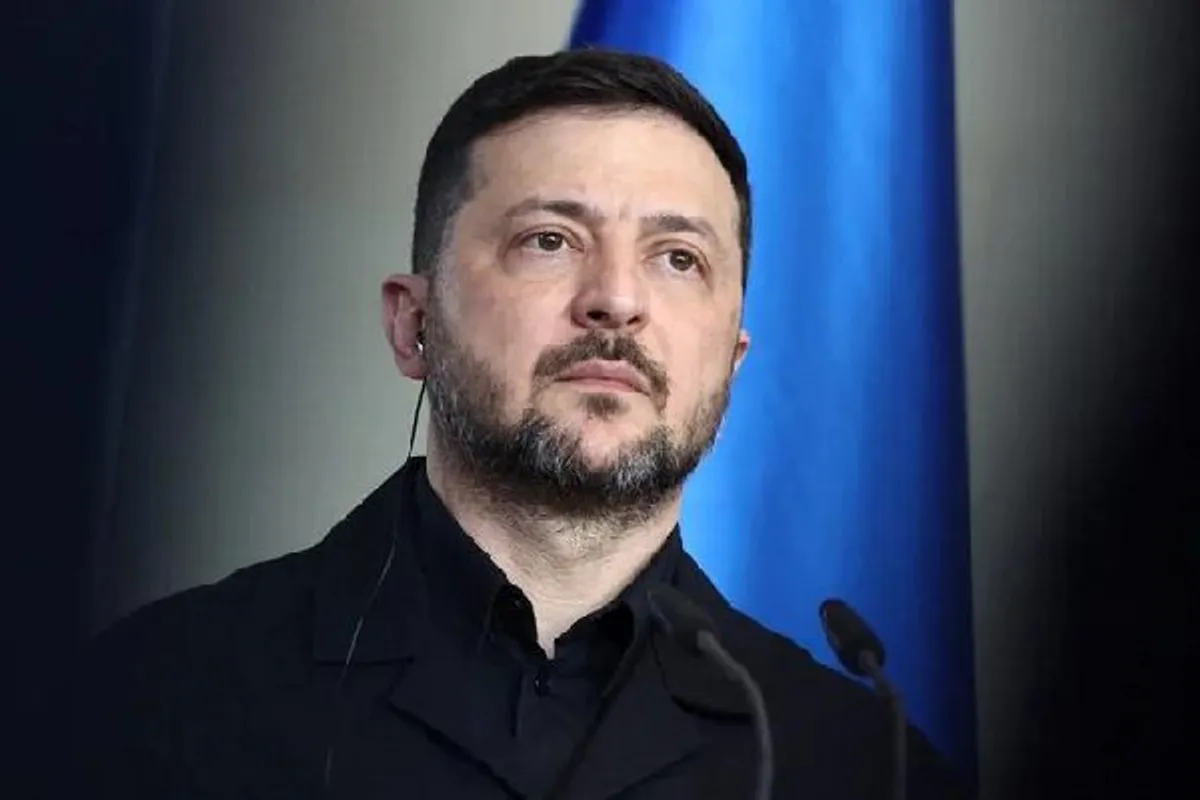
According to The Atlantic, as reported by European Pravda, Ukrainian President Volodymyr Zelensky asked his American counterpart Donald Trump during a meeting to request Musk's permission for Starlink use. The goal was to target Russian missile batteries used in attacks on Kyiv and other cities. Trump, however, did not give a clear answer to the proposal.
Since being dismissed from the post of defense minister, Fedorov has been trying to reach Musk through informal channels, but Musk is not yielding for now. "At this point, there is no positive decision," one of Fedorov's close associates from Kyiv told The Atlantic. Another associate adds that "Elon keeps repeating that it's time for a deal," pointing to Musk's fear of further escalation of the war.
Meanwhile, President Zelensky, in a series of posts on platform X, spoke about Ukraine's desperate search for protection against ballistic missiles. He emphasized that hundreds, even thousands, of components in Russian ballistic missiles come from around the world, including from close partners, and are used to kill children, civilians, and soldiers.
"That is why imposing sanctions on Russian weapons and the supply of those components is a top priority," Zelensky wrote. He specifically addressed the issue of bureaucracy, revealing that in the first year of the war, he strongly appealed to former U.S. President Joe Biden for licenses to produce Patriot systems.
"Now we have reached an agreement with President Trump that he will approve the licenses, but imagine if we had gotten them four years ago. By now, we would already be producing Patriots for everyone. And Europe - Europe that wants and would want to have Patriots, anti-ballistic systems, and missiles - would already have all of that. I am absolutely sure of that. But now we are dealing with paperwork. And what flies at us is not a piece of paper, not a paper missile, but a real missile that kills people," Zelensky stated.
The Ukrainian president warned that monthly deliveries of anti-ballistic missiles in 2026 are lower than they were in 2025. Although there are agreements under the PURL program, these missiles are not enough. He highlighted Germany and Poland as key European partners that can provide serious assistance, and also mentioned ongoing communication with Nordic countries, the Netherlands, and Middle Eastern states to secure additional aid packages beyond the PURL framework.
Zelensky expanded the list of potential allies beyond Europe. "South Korea and Japan could also help. Have they helped us with air defense during this war? No. Because of their domestic legislation," he said. He added that Ukraine would be ready to buy air defense systems from Israel, but for now, that option is not available, although dialogue is ongoing. "We have simply reached a point where all our institutions must work on this. Not just the president. Everyone must work. Otherwise, there won't be enough missiles," he concluded.