Celestial Spectacle on August 12: Six Planets Align
The Adriatic Aerospace Association urges citizens to seize this rare sequence of astronomical events to promote science, while also warning of mandatory eye protection measures.
The Adriatic Aerospace Association urges citizens to seize this rare sequence of astronomical events to promote science, while also warning of mandatory eye protection measures.
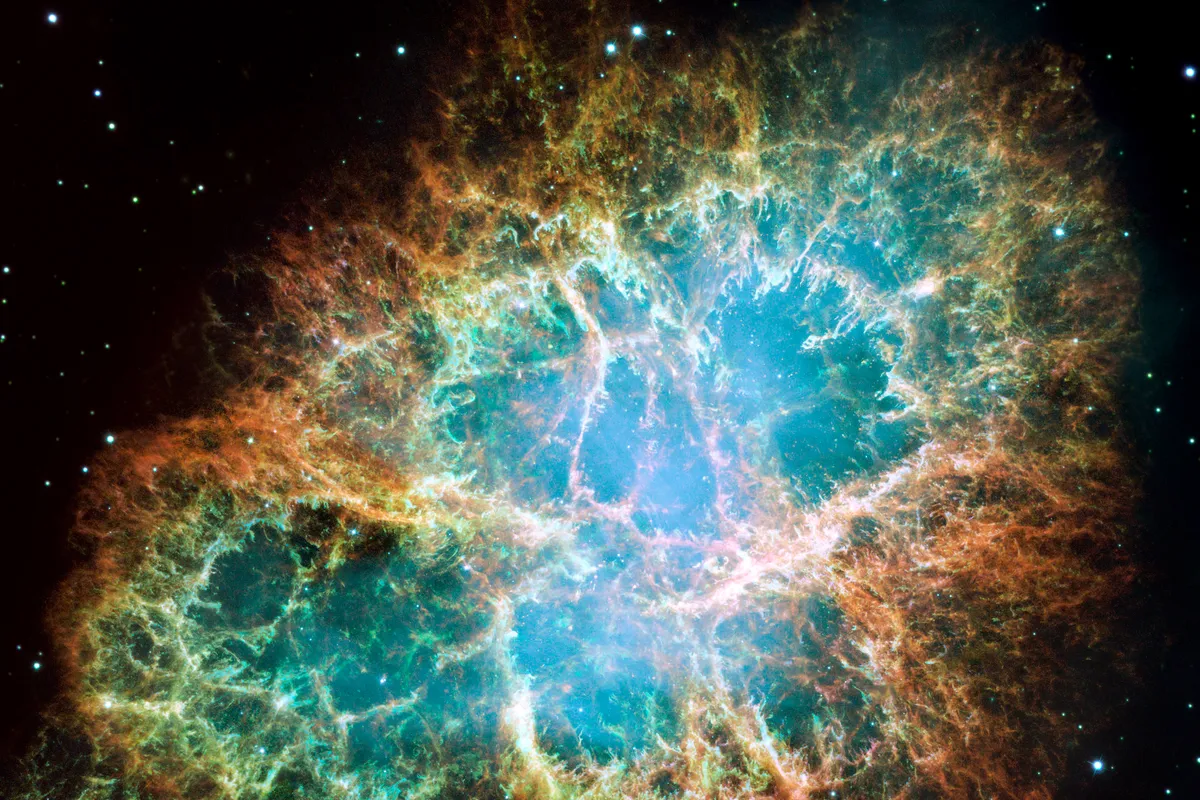
Astronomy enthusiasts and the curious across Croatia will have the opportunity to witness an exceptionally rare celestial spectacle on Wednesday, August 12, 2026. Within just 24 hours, three fascinating phenomena will unfold: a morning alignment of six planets, a partial solar eclipse in the late afternoon, and the peak of the Perseid meteor shower during the night into August 13.
The Adriatic Aerospace Association (A3) has highlighted that this sequence of events presents a unique chance to popularize science and technical culture, and has called on educational institutions and astronomical societies to organize observation sessions.
The celestial day will begin in the early morning hours, just before sunrise, when six planets will align along the ecliptic. The best time for observation will be 30 to 60 minutes before local sunrise. With the naked eye, observers will be able to see Saturn high in the sky, Mars with its characteristic reddish hue, and Mercury and Jupiter very low on the eastern horizon. For those with binoculars or a small telescope, and with the aid of star charts, Uranus and Neptune will also be visible.
Later that same day, in the late afternoon, a partial solar eclipse will be visible from Croatia. While residents of northern and western parts of Europe will witness a total eclipse, in Croatia the Moon will partially obscure the Sun's disk low on the western horizon. According to A3, this positioning creates a rare photographic effect of a "setting eclipse" within the so-called golden hour.
For Zagreb and central Croatia, the partial eclipse will begin at 7:25 PM. It will reach its maximum at 8:06 PM, and the Sun will set at 8:09 PM with its disk still partially eclipsed. The end of the eclipse will not be visible as it will occur after sunset.
A3 has issued an important warning: the Sun should never be observed with the naked eye, through sunglasses, smoked glass, or uncertified optical equipment. For safe observation, it is essential to use specialized filters certified to ISO 12312-2 or welding glass rated DIN 14. Failure to follow these rules can result in permanent and irreversible eye damage.
The culmination of the astronomical day occurs on the night of August 12-13, when the Perseid meteor shower is expected to peak. This year's peak coincides with the new moon, meaning the absence of moonlight will ensure a completely dark sky, allowing even the faintest meteors to be visible. According to A3 estimates, the zenithal hourly rate (ZHR) could reach between 80 and 100 meteors per hour.
Although meteors will be visible as soon as night falls, the highest activity is expected in the hours after midnight until just before dawn. For optimal viewing, it is recommended to head out into nature, away from city lights. Telescopes and binoculars are not needed; meteors are best observed with the naked eye after allowing your vision to adapt to the dark, which takes at least 20 to 30 minutes.
A3 has also called on cities and municipalities to turn off or reduce the intensity of public lighting, especially decorative lighting on public buildings and monuments, during that night, where safety permits. Reducing light pollution, they emphasize, not only provides better viewing conditions but also contributes to preserving the nocturnal environment, biodiversity, and protecting human health.