Low Danube Connects Vukovar Island to Serbia
Historically low water levels of the Danube near Vukovar have caused Vukovar Island to physically connect with the Serbian bank, raising concerns among locals, although the legal border remains unchanged.
Historically low water levels of the Danube near Vukovar have caused Vukovar Island to physically connect with the Serbian bank, raising concerns among locals, although the legal border remains unchanged.
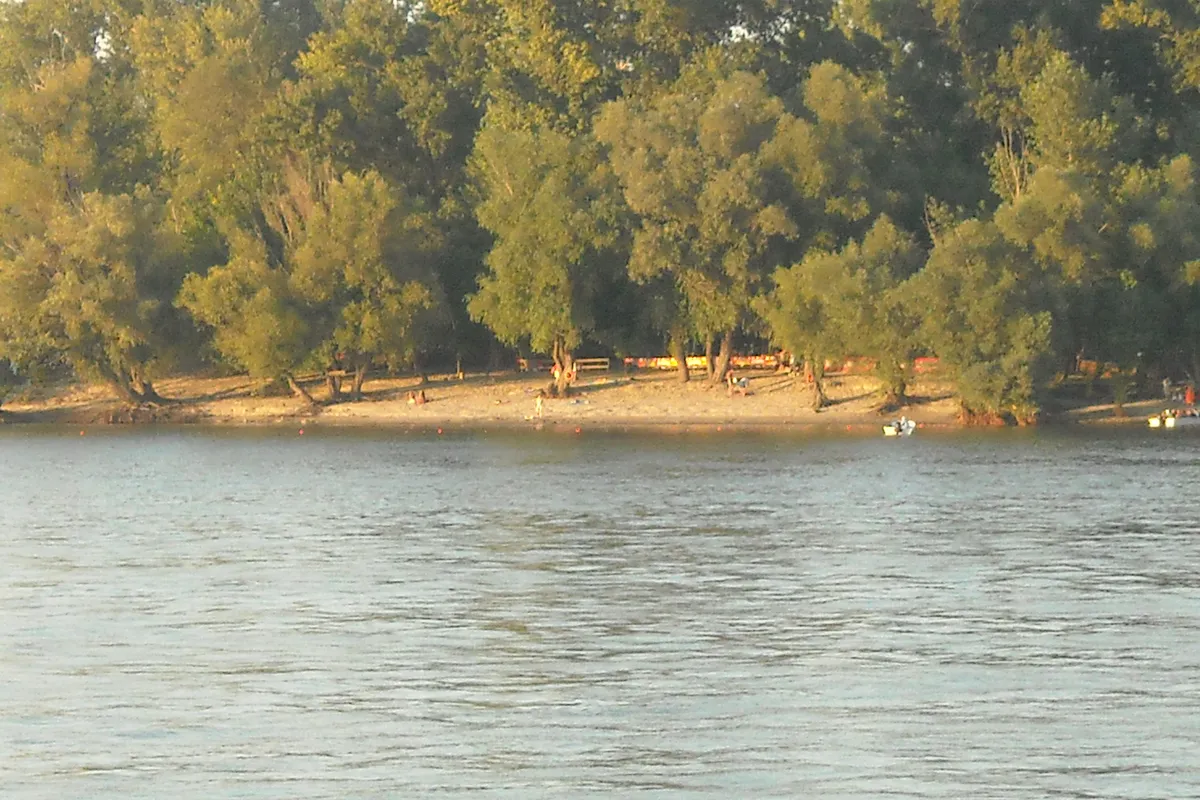
Due to historically low water levels of the Danube, Vukovar Island has physically connected with the bank of the Republic of Serbia. This unusual sight is a result of prolonged high temperatures that have drastically lowered river levels across Europe, and the Danube near Vukovar is now at a level unprecedented in recent history.
City officials had already warned of this possibility and had requested urgent intervention from relevant institutions, including the digging of a channel to prevent the island from connecting with the other bank. However, sand deposits have become too large, and the Danube has receded to such an extent that the land connection is now a reality.
Tin Kovačić, a journalist from Nova TV's Dnevnik, spoke with Dragica, a Vukovar resident, who did not hide her concern. When asked if she had ever seen the Danube this low, she replied briefly: "No. Maybe a long, long time ago, in my youth."
"Well, somewhat. We're not aware... We should be, but here we are, not aware."
With these words, Dragica answered the question of whether the current situation worries her, indicating that the broader public may not grasp the seriousness of the moment.
Although the physical connection looks dramatic, legally it does not mean a shift in the state border. It remains defined at the location where the Danube channel existed until recently. When the river level rises again, the water will fill the existing bed. However, the increasing sand deposits are causing additional skepticism among the local population.
Vukovar residents point out that the Danube has never been this low, which further fuels a sense of insecurity and the need for concrete solutions that would ensure the river's flow in this area in the long term.