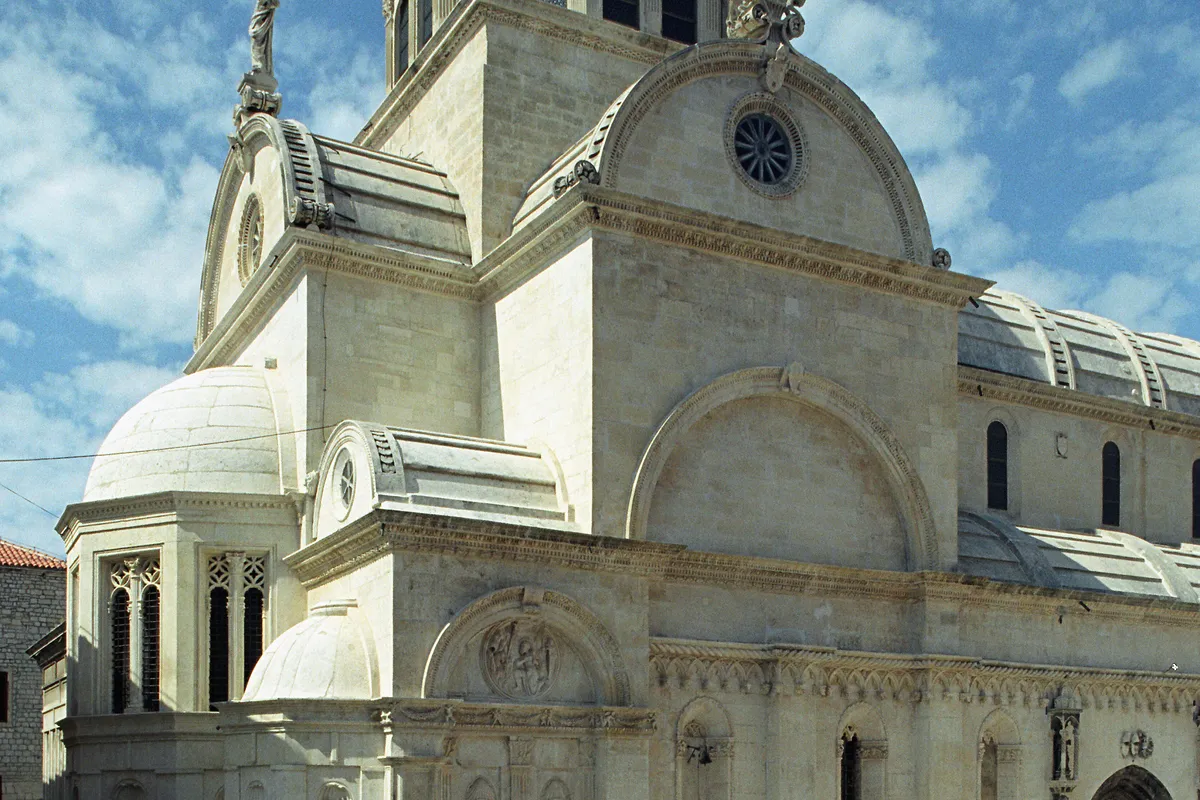
In an interview for HRT's central news program on July 30, 2026, Minister of Culture and Media Nina Obuljen Koržinek stated that the restoration of most cultural heritage sites across Croatia will be completed by the end of this year. The project, one of the most extensive in recent history, encompasses over 500 buildings in total.
"I am satisfied, happy, and proud. We are realizing a generational undertaking of restoring cultural heritage, more than 500 structures. These are the most complex buildings; restoring cultural monuments is the hardest task. Over 250 religious buildings, museums, libraries, archives, and courthouses have been restored. All of this was achieved with the immense engagement of experts, their mobilization, good organization, and swift responses," the minister told HRT.
Domestic Expertise Wins Global Recognition
Obuljen Koržinek particularly emphasized that the work was led exclusively by Croatian experts, noting the difference compared to the post-earthquake restoration in the 19th century when foreigners were hired. "Today, our experts did it. We carry vast experience and knowledge that we will publish in Croatia. We are exporting knowledge, speed, and methodology that we will share with international experts. I am certain that experts from abroad will come to see the Meštrović Pavilion, as well as Zagreb Cathedral," she said.
She highlighted Zagreb Cathedral as an example of an outstanding result, whose structural restoration project won a world award for the most innovative solution, known as the 'construction Oscar.' "The cathedral has been stabilized, and the first phase of structural restoration from the inside is complete. Now begins the full restoration of the exterior shell and towers," she added. The minister confirmed that the cathedral and the Croatian Parliament building will be the last structures where work will continue, with everything else finished by the end of 2026.
Underground Containers: Zagreb Must Be More Transparent
Commenting on the controversies in the capital regarding the installation of underground waste containers, the minister said that the Ministry of Culture and Media reacted on the very first day. "This is a matter that falls under municipal utilities. A few years ago, at the Ministry's initiative, we adopted guidelines for such issues. At the time, we were prompted by the large number of ATMs along the coast, so through legal amendments we obliged cities to incorporate guidelines for simple structures that do not require special permits into their municipal order decisions," she explained.
The City of Zagreb partially incorporated these guidelines into its municipal order decision through a revision in June 2026, but they have not yet been fully accepted. "We communicated this, and a broader revision is being prepared," said Obuljen Koržinek. She concluded that citizens need greater transparency and more open communication: "Much more transparency is needed; communication is essential. In several Croatian cities, all these containers have been installed without any issues. Citizens need to be explained why certain solutions are chosen."