From Marakana to Bari: How Red Star Belgrade Wrote History 35 Years Ago
The Belgrade club still lives off the glory of winning the European Cup in 1991, while facing the reality of modern football and European challenges.
The Belgrade club still lives off the glory of winning the European Cup in 1991, while facing the reality of modern football and European challenges.
Few clubs in this region have their identity so strongly defined by a single trophy. For Red Star Belgrade, that moment was cemented on May 29, 1991, at the San Nicola Stadium in Bari. The victory over Olympique de Marseille after a better penalty shootout brought Belgrade the European champions title and etched the generation led by Prosinečki, Savićević, and Pančev into football immortality in golden letters.
The success was rounded off at the end of the same year by winning the Intercontinental Cup in Tokyo, where Chile's Colo-Colo was defeated convincingly 3-0. It was the pinnacle of an era that tragically coincided with the disintegration of the state in which this very club was founded back in 1945.
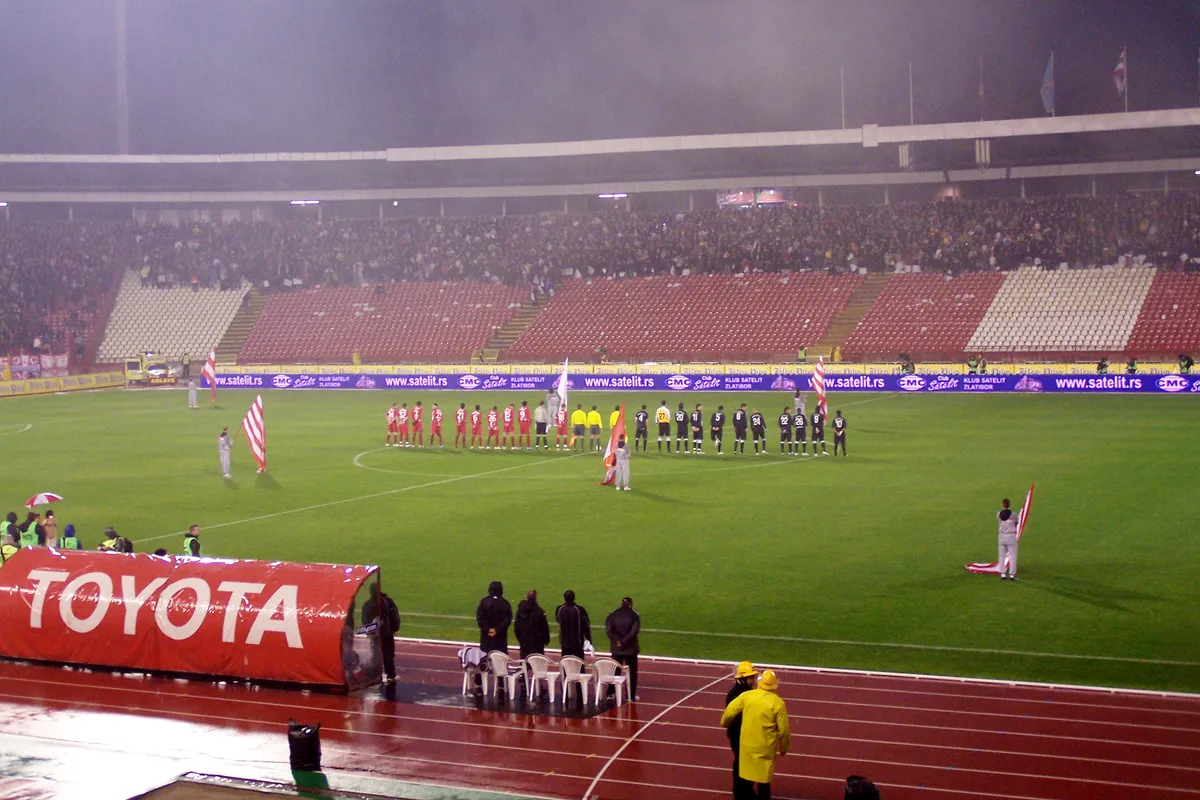
Founded immediately after World War II, Red Star Belgrade spent decades building its status as a regional giant. With 34 league titles and 25 national cups, it is the most decorated club in the history of Yugoslav and Serbian football. Its stadium, known worldwide as Marakana, has been a temple of football in the Balkans since 1963, with a capacity of over 55,000 seats.
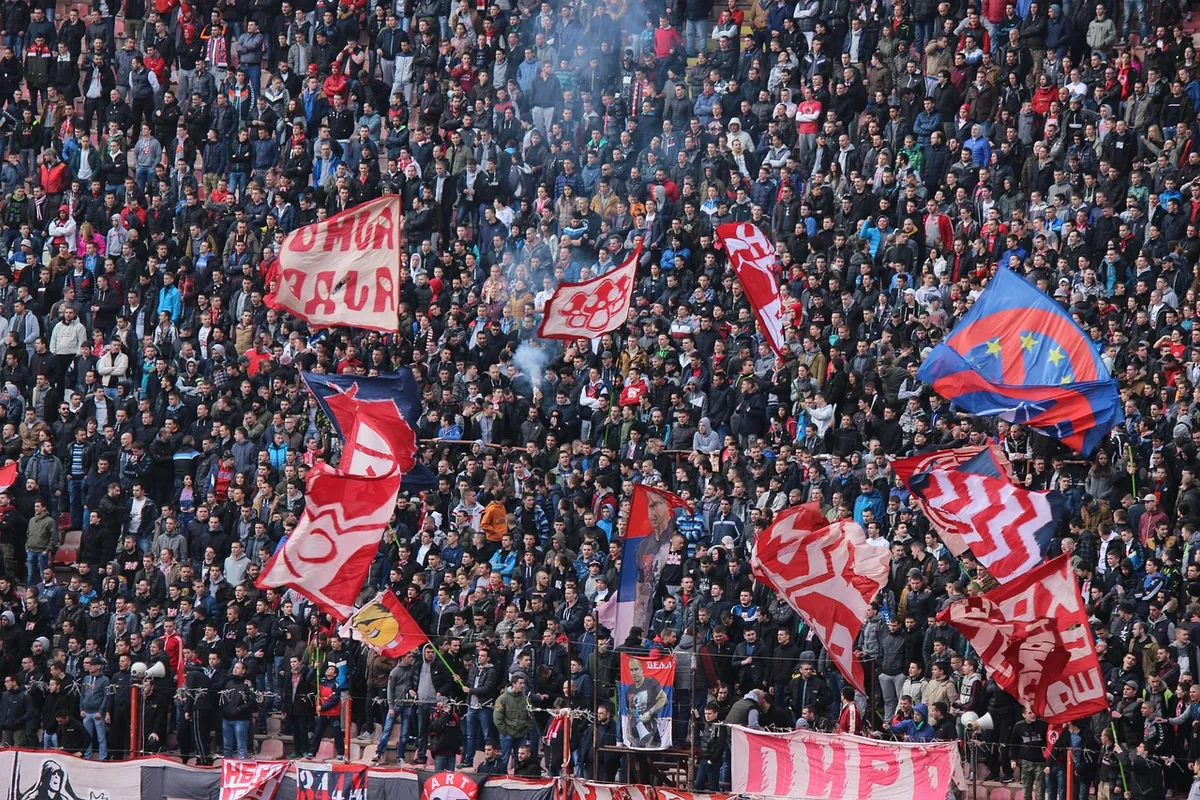
The club's identity is inextricably linked to the "Eternal Derby" with city rivals Partizan, one of the biggest and most passionate football rivalries in the world. With the fiery support of the fan group Delije, founded in 1989, the atmosphere at these matches regularly captures global attention.
In the domestic SuperLiga, Red Star has had no serious competition for years and routinely wins consecutive titles. However, the picture changes drastically on the European stage. Despite regular participation in the Champions League group stage, the club struggles to repeat the feats of the 1990s. The financial gap between clubs from the "Big Five" leagues and the Serbian champions has become almost insurmountable.
Throughout history, Zvezda has produced a number of world-class players, from the legend Dragan Džajić, through the genius Dejan Savićević, to modern heroes like Nemanja Vidić. Today, the club's business model relies heavily on developing and selling talent, which ensures financial stability but makes it difficult to build a team capable of making a breakthrough in Europe.