Odesa Torn Between War and Carefree Summer
An almost surreal atmosphere prevails at Lanzheron Beach. While sirens echo in the background, swimmers stay on their towels, aware that only a few hundred meters separate them from the constant threat.
An almost surreal atmosphere prevails at Lanzheron Beach. While sirens echo in the background, swimmers stay on their towels, aware that only a few hundred meters separate them from the constant threat.
At the famous Lanzheron Beach in Odesa, temperatures are climbing to 30 degrees, and at first glance, the scenes are entirely typical for the summer season. Visitors lie crowded on sunbeds and towels, children splash in the shallows, and young people dive into the sea from the piers. Loud music blares from nearby bars. Yet, just a few meters away, a military vehicle with a mobile air defense system stands, reminding everyone present that war is part of their daily reality.
At the end of one pier, 16-year-old Alina offers her goods. She sells dried fish, a favorite Ukrainian snack with beer, but business has been slow these days. "This week has been really tough because of the constant attacks," she recounts to Deutsche Welle. She has had to leave her stand and seek shelter several times. Fortunately, the shelter is not far. "You just go straight, then right, and up the stairs. That's where the shelter is," Alina explains the route she has memorized.
Shortly after her words, sirens do indeed go off, but almost no one reacts. Most swimmers remain lying down, and children continue to play in the water. Air raid alerts have become so frequent that they have merged with everyday life. On some days, they sound more than ten times in Odesa. Russian forces often target port facilities, located just about a kilometer from the beach itself.
Among the visitors is Serhii, who has come to Odesa with his family for the first time in six years. He is from Nikopol, a city much closer to the front lines. "At home in Nikopol, it's terrifying. We have drone attacks and artillery shelling every day. Here, it seems somewhat calmer," Serhii describes the contrast between his daily life and this temporary refuge on the coast. It is the family's first day of vacation, and when asked why they came, he answers simply: "The kids need a break."
Viola, a souvenir seller, offers necklaces, magnets, and captain's hats from her small stand. She says people in Odesa have learned to live with the constant threat. "We are flesh and blood. Of course, we are afraid," she admits. But, she adds, the psyche adapts over time. "Just yesterday, we were selling despite heavy shelling. The attacks were very intense, both with missiles and 'Shaheds.'"
Despite the danger, customers still stopped at her stand. Viola recalls encounters with tourists from Kyiv: "They stayed, just like us, steadfastly in place. We asked some of them where they were from. 'From Kyiv,' they replied. And we said: 'Then we must be fellow sufferers.'"
When the daytime heat subsides, Odesa comes alive again. Cafés and bars in the old town fill with people strolling along the Primorsky Boulevard to the Potemkin Steps. From there, one can see the Black Sea and the port facilities that are frequent targets of attacks. In this city, the joy of life and the threat of death are often separated by just a few hundred meters.
Dmytro Barinov, president of the Ukrainian Seaports Association, admires the resilience of his fellow citizens but warns that the danger should not be underestimated. Many tourists from Kharkiv and other eastern parts of the country come to Odesa precisely because it is relatively accessible, so that children can at least briefly see the sea. "To enjoy the sun and go to the beach," says Barinov, but he adds a serious warning: "Unfortunately, people often overlook the real situation. We have many sad examples where people were injured or killed in attacks. This should not happen."
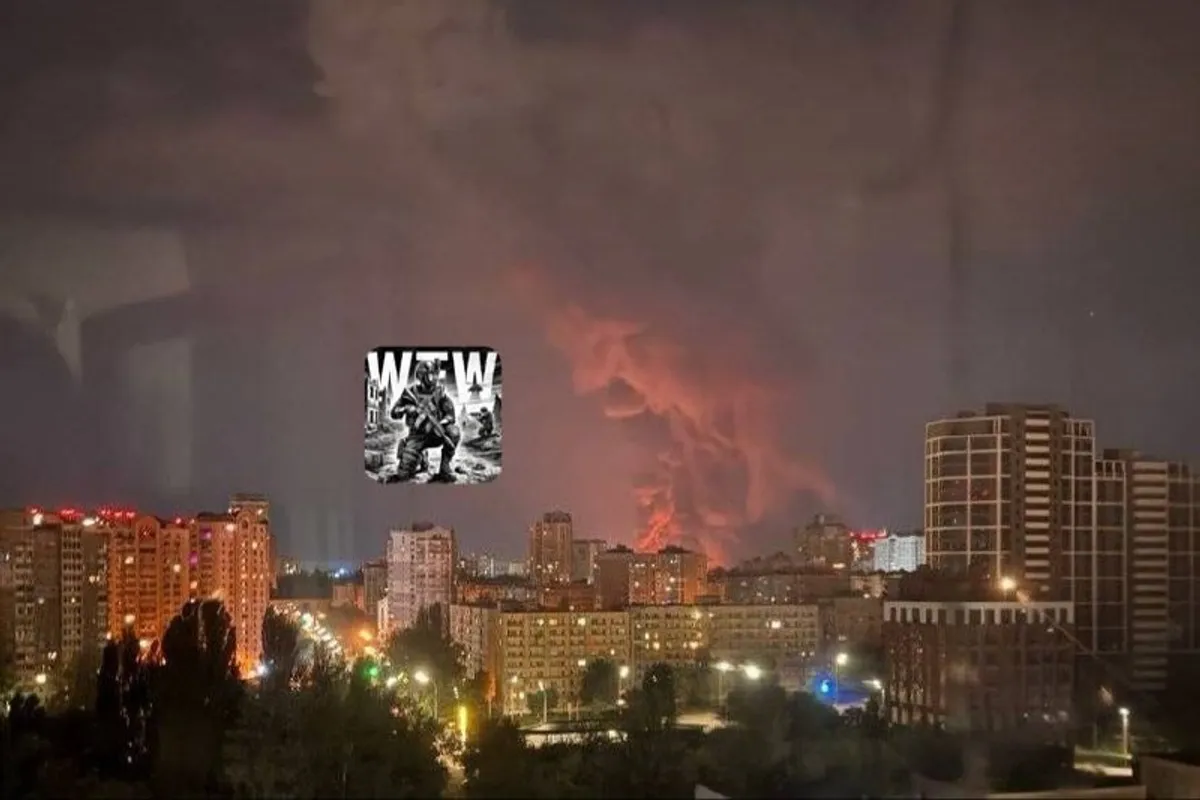
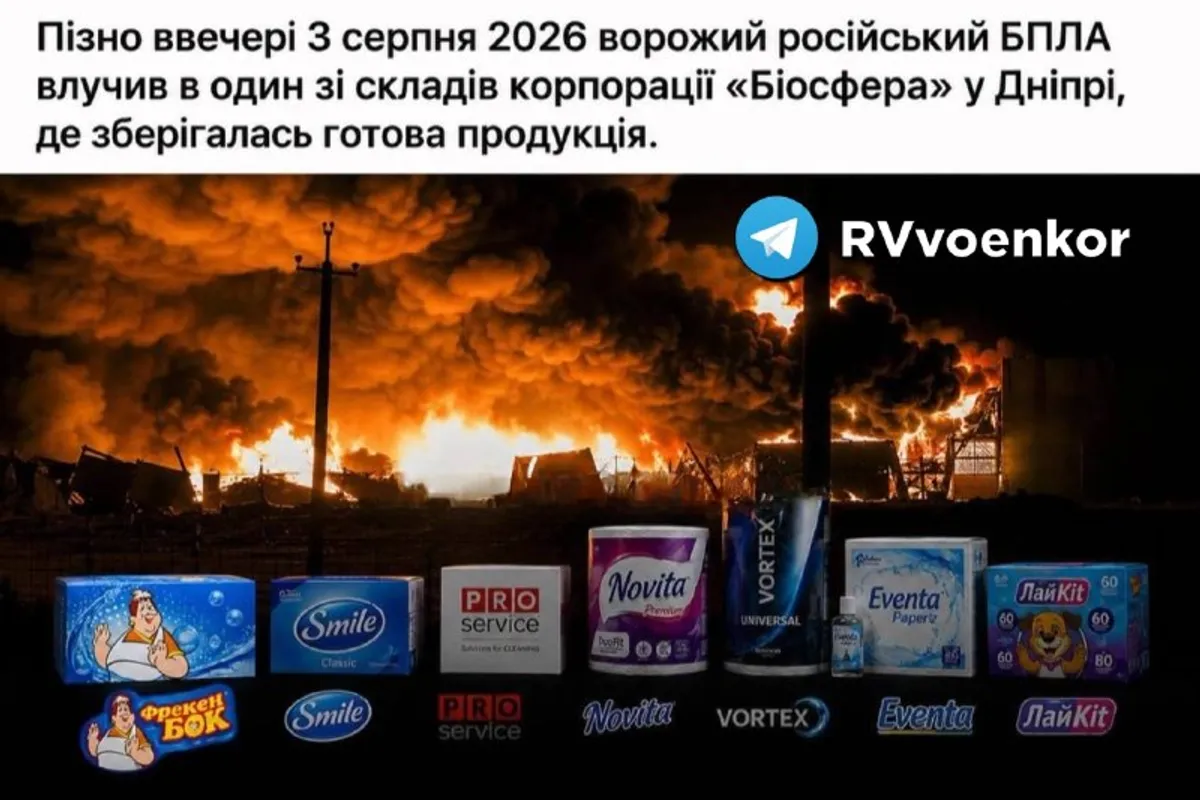
Meanwhile, hundreds of kilometers away, the war shows no signs of abating. According to the State Emergency Service of Ukraine (SES), Russian forces launched attacks on warehouses in Dnipropetrovsk on the night of August 4, 2026, causing large fires. Goods from several well-known Ukrainian brands were destroyed in the flames, including the warehouse for Millennium chocolate products, the popular Lasunka ice cream, and the household goods manufacturer Biosfera, whose brands Frekken Bock, Smile, PRO service, Novita, Vortex, Eventa, and LayKit were also destroyed. Due to significant losses of finished goods, supply disruptions are expected across the country.