Your Favorite Summer Refreshment Can Be Dangerous
Although it's an indispensable part of summer days for many, a spoiled watermelon can cause serious stomach issues. Learn how to recognize in time when the fruit is no longer safe to eat.
Although it's an indispensable part of summer days for many, a spoiled watermelon can cause serious stomach issues. Learn how to recognize in time when the fruit is no longer safe to eat.
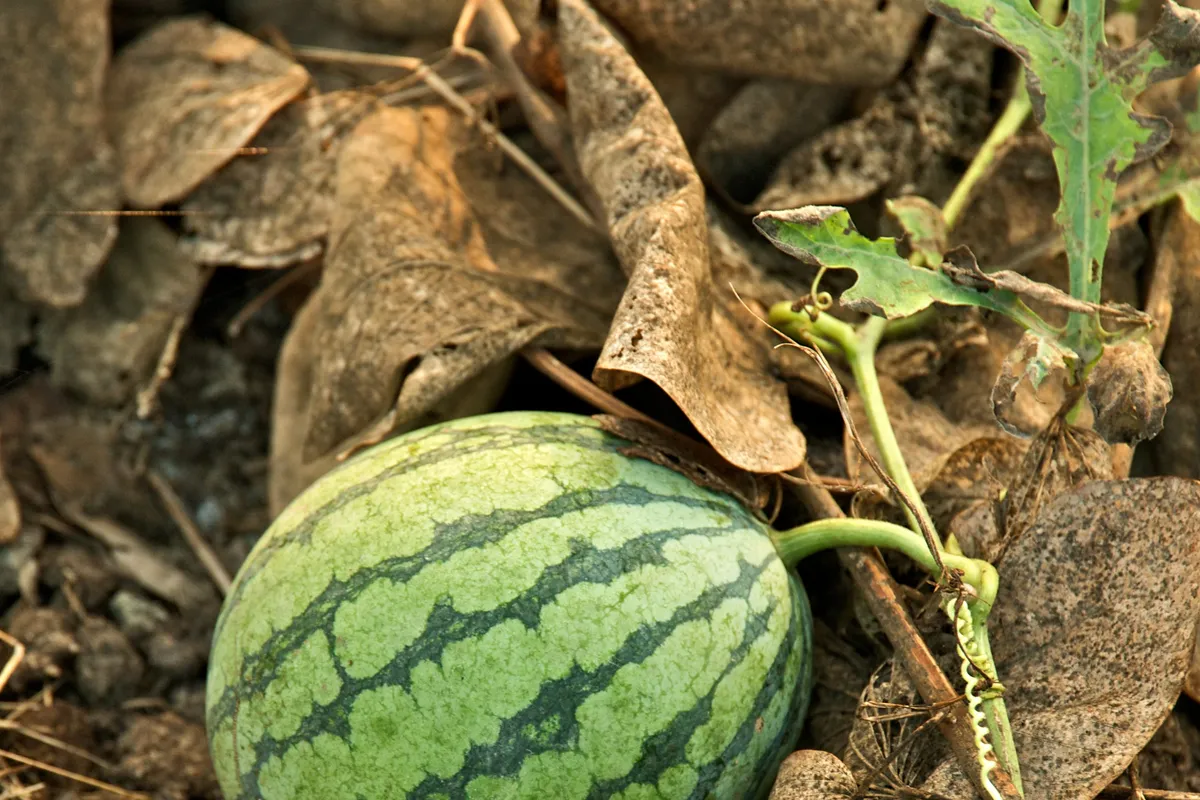
Summer is almost unimaginable without a juicy, well-chilled watermelon. Not only is it the perfect refreshment for unbearable heat, but it's also rich in water and beneficial nutrients. However, no matter how appealing it looks on the outside, sometimes an unpleasant surprise can be found inside. Eating a spoiled watermelon can lead to serious digestive problems, even food poisoning. That's why it's crucial to know when to toss it in the trash instead of putting it on the table.
One of the most reliable indicators that something is wrong with your watermelon is its smell. A healthy, fresh watermelon has a delicate, sweet, and refreshing aroma that invites you to take a bite. If you notice a sharp, sour smell, or one reminiscent of vinegar and fermentation when cutting it, that's a clear sign that spoilage has already progressed significantly. In such a case, don't even attempt to eat it.
While the rind naturally has lighter patches, especially the large yellow spot where it rested on the ground, irregular dark spots, unusual dents, or overly soft areas are cause for concern. If you spot any signs of mold on the rind, whether they're white, green, or black specks, discard the watermelon immediately. Mold spreads extremely quickly through the water-rich flesh, so simply cutting off the visibly affected part is usually not safe enough.
A perfect watermelon should be crisp and firm on the inside. If, while cutting, you notice the pulp separating oddly from the seeds, or the texture has become mealy, mushy, or even slimy, the fruit is no longer suitable for consumption. A spongy texture and flesh that literally falls apart are clear signs that the watermelon has been exposed to heat for too long.
To avoid rapid spoilage, proper storage is key. A whole watermelon can stay at room temperature for up to a week, but once cut, it must be refrigerated. It's best to keep it in a sealed container or tightly wrapped in plastic wrap. Cut watermelon can be safely eaten for three to four days, and anything beyond that is an unnecessary risk to your health.