Water Supply Stable, Danube and Drava at Historic Lows
Despite record-low water levels on the Danube and Drava, public water supply in Croatia is functioning without major difficulties, but more abundant rainfall is necessary for recovery.
Despite record-low water levels on the Danube and Drava, public water supply in Croatia is functioning without major difficulties, but more abundant rainfall is necessary for recovery.
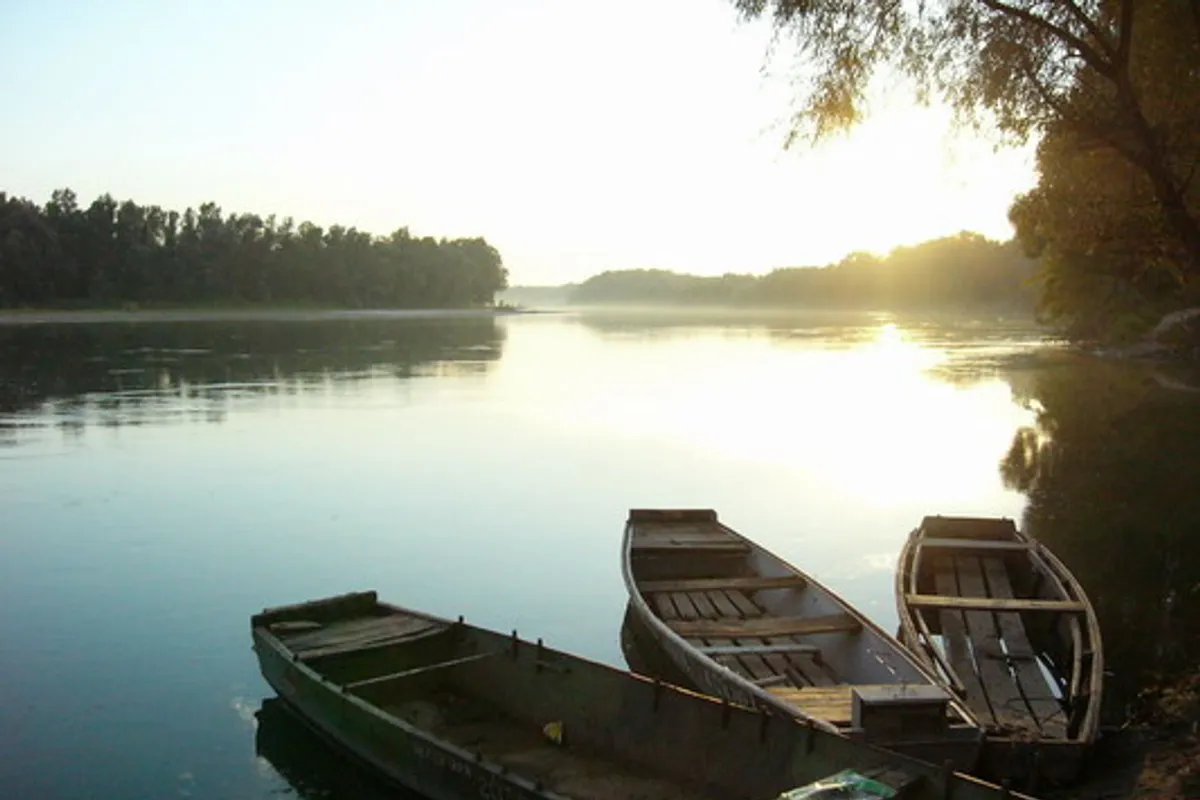
The Danube and Drava have reached their lowest levels since regular hydrological measurements began, yet public water supply in Croatia remains largely stable, as confirmed on Thursday, August 6, 2026, by Hrvatske vode (Croatian Waters), acknowledging that the prolonged drought and high temperatures are nonetheless taking a toll on certain springs where inflows have significantly decreased.
Zoran Đuroković, General Director of Hrvatske vode, directly warned that the situation is concerning precisely because weather and water forecasts offer no prospect of a quick turnaround. He emphasized that a significant rise in water levels would require more abundant rainfall across the entire basin, especially upstream in Europe.
"At certain measuring stations on the Danube and Drava, the lowest water levels since records began are being recorded, and the fact that there are currently no signs of significant recovery is particularly worrying," Đuroković stated.
In the Varaždin County area, the Bednja, Plitvica, and Drava rivers are under constant surveillance. The Bednja still maintains a continuous flow, and Lake Trakošćan provides additional security, as water can be deliberately released from it when needed to maintain environmentally acceptable flows. However, extremely low flows have been recorded on the Plitvica, further underscoring the need for the future Grabušnica reservoir, which should ensure biological minimums during dry periods and increase resilience to climate extremes.
Hrvatske vode monitors the condition of watercourses, groundwater levels, and discharge points of treated wastewater on a daily basis, with field teams making more frequent site visits, all with the aim of preserving biological minimums and responding promptly if the hydrological picture further deteriorates. The supply of drinking water to the population, at least for now, is not in question.