Toxic Legacy: How Croatia Became a Dumping Ground
While European metropolises heat homes with waste, Croatia suffocates in clientelism, environmental crime, and a system that has failed at every level.
While European metropolises heat homes with waste, Croatia suffocates in clientelism, environmental crime, and a system that has failed at every level.
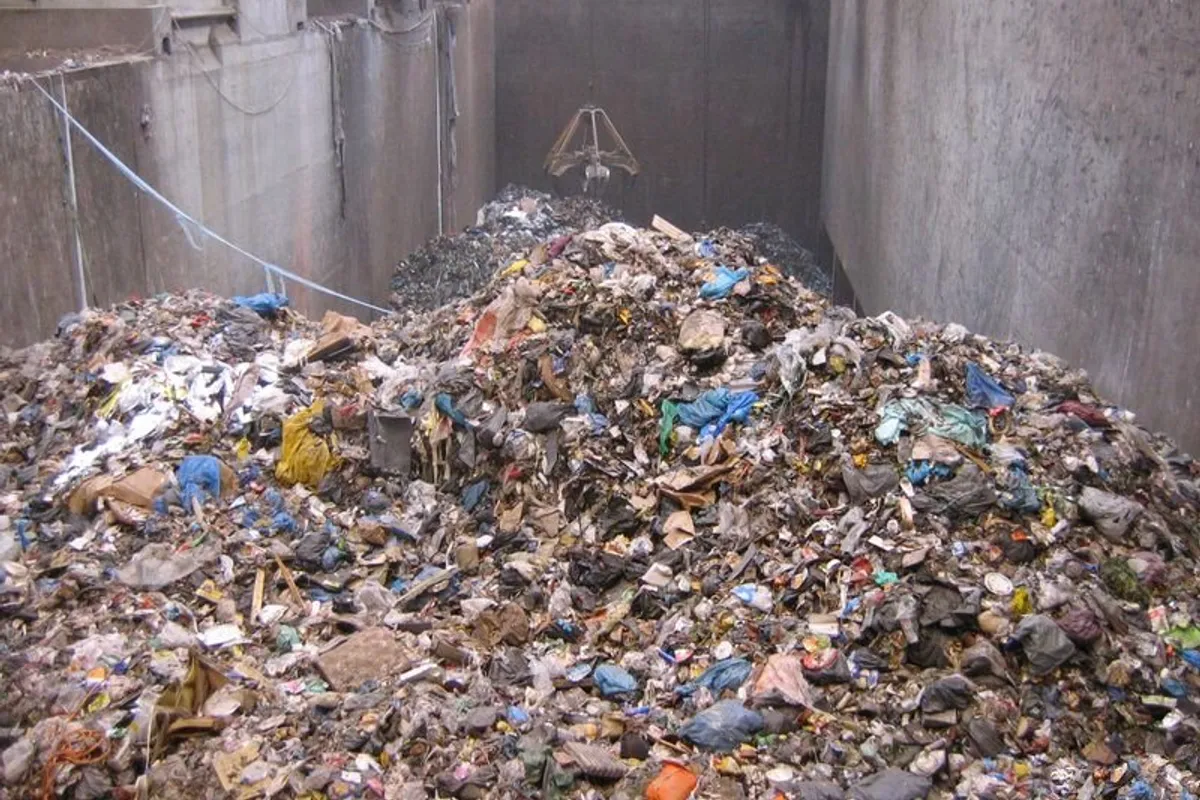
The story of waste in Croatia has not changed for years. Experts offer concrete engineering solutions, politicians sell slogans, and those lurking in the shadows fill their pockets with cash. While cities like Vienna and Copenhagen heat homes with garbage, in Zagreb, modern waste-to-energy plants are discussed as if they were an unknown and dangerous force. This inversion has created fertile ground for a mix of green amateurism, political clientelism from the two largest parties, and outright environmental crime.
The city administration led by Tomislav Tomašević has built its profile on an uncompromising fight against waste-to-energy plants. Ultimately, complex engineering processes are decided by people whose professional capacity boils down to populism, reports Nacionalno Plus. There is talk of ideals of a zero-waste society, but the numbers are relentless. It is physically impossible to recycle at least 30 to 40 percent of waste. When modern facilities for that unusable portion are banned, chaos ensues. Waste must be exported at prices ranging from 150 to 250 euros per ton, and where there are high costs and disorder, the underworld quickly takes root.
What is being revealed is a terrifying truth about the state: the control system has either completely failed, does not exist at all, or is under the direct control of the waste mafia. A key precondition for this kind of crime is years of negative selection within ministries and inspections under the governance of HDZ and SDP. Honest engineers and inspectors have been systematically pushed to the margins, while obedient party cadres, whose only task was to nod along, were given authority. SDP parliamentarian Mihael Zmajlović recently warned that Croatia has become a "haven for eco-crime in all of Europe," directly accusing the government of Andrej Plenković of regulatory changes that, in his words, led to a "systematic deconstruction of the waste management system."
In such a cleansed system, Varaždin-based innovator Josip Šincek and his company Tipos Resurs brought in over 1,700 trucks of hazardous and medical waste from Italy and Slovenia. Under false documents, this cargo was buried across Lika and Benkovac. Before USKOK, Šincek directly accused Andrija Mikulić, the former chief state inspector and influential HDZ member, of extorting him and demanding 500,000 euros in bribes to keep inspections blind to his operations. However, the case in Lika is not isolated; Zmajlović also reminded of 33,000 tons of waste in the Gospić area that, according to expert analysis, contains hazardous chemicals, calling it a "monument to the chaos and disorder that HDZ has been systematically causing for years."
"That's their version of patriotism: in the morning, a hand on the heart and swearing loyalty to Croatia, and in the afternoon, lunches with middlemen and arranging kickbacks," reads a comment from the editorial board of Nacionalno Plus.
Burying thousands of tons of toxic and medical waste in the karst of Lika, which is the main reservoir of drinking water for the vast majority of Croatia, is not ordinary municipal smuggling. This is a direct threat to national security and the poisoning of one's own people. When, over decades, HDZ and SDP governments allowed water protection zones to be contaminated due to private myths and party loyalty, this can no longer be considered a mere administrative error but a complete collapse of the state. Zmajlović also emphasized that the government abolished the requirement for every company to have a licensed and educated responsible person for waste management, who was liable with their own assets, and made financial guarantees more flexible, meaning that the cost of remediation is now shifted onto citizens. "If the financial guarantee had been adequate, the remediation of waste in Lika would have been paid from it, not by the citizens," he stated.
In this chaos, everyone has a calculated interest. Left-wing populists and activists opposing waste-to-energy plants score easy political points by rejecting technical solutions. At the same time, protectors from the HDZ and SDP parties, along with the criminal waste mafia, earn millions through artificially inflated disposal prices and nighttime dumping. While Europe turns waste into energy, in Croatia it serves only two purposes: some use it to gather votes, and others, with the approval of party followers, enrich themselves at the expense of polluted nature and damaged public health. Given that the waste in Lika contains ten times the allowed carbon levels, export to Austria and Germany is not legally possible, nor is solidification. Therefore, Zmajlović called on the government to urgently form a crisis team with hydrogeologists, geotechnical engineers, and environmental engineers, stressing: "I call on the government not to analyze impossible solutions but to urgently proceed with the remediation of the site."