The extradition of Daniel Kinahan, the leader of the Irish Kinahan clan, from the United Arab Emirates to Ireland last Sunday marked the end of one of the world's most powerful drug cartels. However, the investigation that led to his downfall has uncovered shocking connections to the Balkans, where Bosnian-Herzegovinian cartel member Edin Gačanin, known as Tito, enjoyed protection from parts of the police and maintained contacts with the very top of the government.
The Fall of a Multi-Billion Euro Super Cartel
According to estimates by the U.S. Drug Enforcement Administration (DEA), the super cartel-comprising Kinahan, Dutch-Moroccan Ridouan Taghi, Italian Raffaele Imperiale, and Bosnian-Herzegovinian citizen Edin Gačanin-controlled operations worth tens of billions of euros. Their network, described more as a business consortium than a classic mafia organization, was responsible for up to a third of all cocaine imports into Europe.
The division of labor was clear: Gačanin was the key link to producers in South America and organized maritime transport, Taghi controlled ports in the Netherlands and Belgium, Imperiale handled money laundering and the Italian network, while Kinahan opened logistics corridors to the UK and Ireland, including routes via Panama and Mexico.
Dubai served as their safe haven for years. There, they lived as legitimate businessmen, set up shell companies in the Virgin Islands, and laundered hundreds of millions of euros through real estate and luxury projects. The turning point came when investigators managed to crack the encrypted apps EncroChat and Sky, and then fed them a fake secure app, ANOM, through which all messages ended up on FBI servers.
Gačanin's Plea Deal and Ties to the Top
The culmination of police efforts was Operation Desert Light in late 2022, when Europol coordinated mass raids across Europe and Dubai. Taghi was sentenced to life in prison in Amsterdam in 2024, and Imperiale has been serving a 15-year sentence in Italy since summer 2024, after handing over the artificial island "Taiwan" in Dubai, worth around €60 million, and several million euros in Bitcoin to the state in exchange for a lighter sentence.
Gačanin was arrested in Dubai in November 2022 but was released after just two months due to a procedural error. He then struck a plea deal with the Dutch judiciary and was sentenced to seven years in prison and a €1 million fine-a sentence many consider lenient given that he was charged with smuggling 2.4 tons of cocaine.
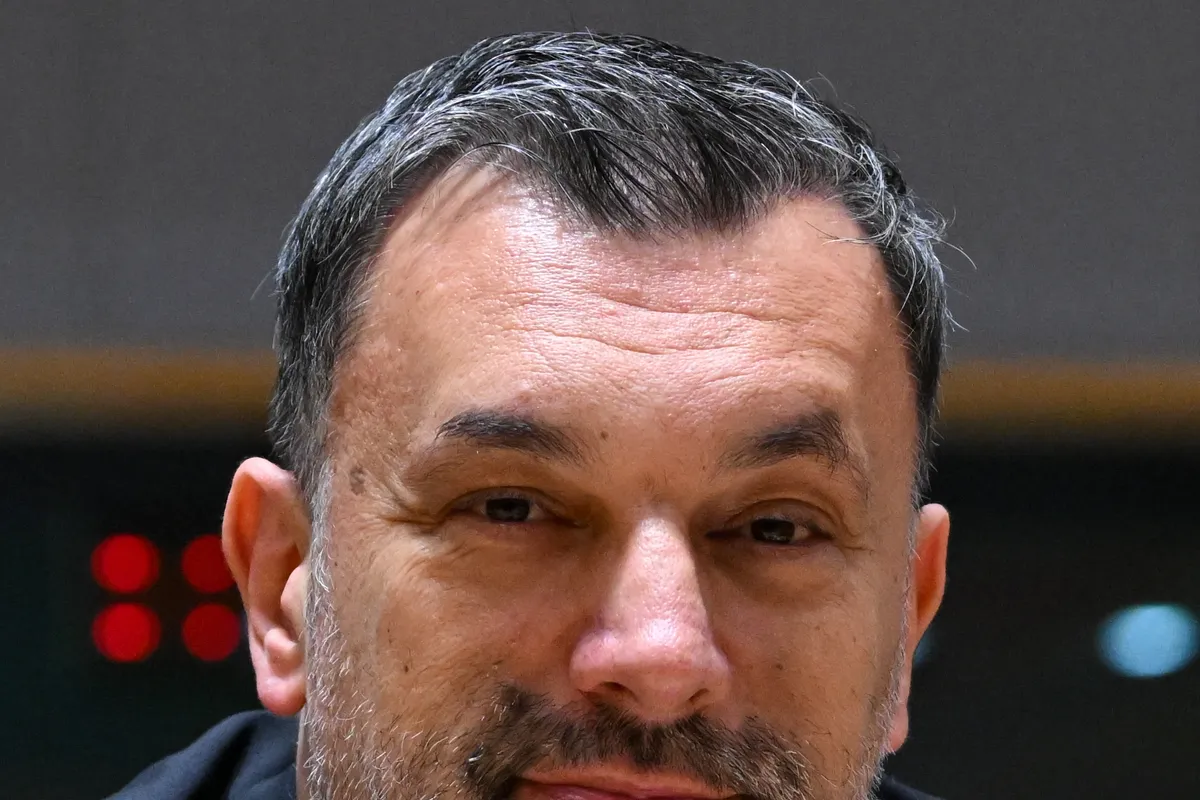
What is particularly intriguing is his connection to Bosnia's top officials. A year before the verdict, he socialized in Dubai with Elmedin Konaković, Bosnia's foreign minister and a key figure in the ruling "Troika" coalition. According to communications from the Sky app and encrypted phones, passport numbers for Konaković, his wife, and his child were found in the phones of Gačanin and his bodyguard Dženis Kadrić. Konaković defended himself by saying he was invited by a "group of citizens from BiH," but he never explained how that data ended up on the drug lord's devices.
Elite Police on Sick Leave and Uniform Donations
The man who connected them is Gordan Memija, son of the once-famous Sarajevo TV journalist and advisor to Alija Izetbegović, Mufida Memija. Memija is a kum (godfather) to Konaković, and Europol has classified him as one of Gačanin's associates. In court, he admitted to hosting Gačanin during his visit to Sarajevo in 2016.
"He's not my friend, just an acquaintance. I saw him when he came to Sarajevo, four or five years ago. I picked him up at the airport in Sarajevo. I was renting cars at the time. The car he used was registered to my company. I didn't rent the hotel room for him; I only booked it at the 'Bristol' hotel. Edin's mother is a friend of mine, and she asked me to help him with a couple of things when he came here, and I did," Memija testified.
Even more alarming is the discovery that during his visits to Sarajevo and Croatia, Gačanin was accompanied by members of the special unit of the Federation's Interior Ministry, who were officially on sick leave. In return, he donated 75 sets of multi-purpose tactical uniforms to the police. His bodyguard Kadrić is himself a former police special forces member.
Uncle as Key Witness
Adding another dimension to the story is Gačanin's uncle Mirza, who was like a second father to him and with whom he fled war-torn Sarajevo for the Netherlands. After becoming frightened and stopping the money laundering, he became a police informant, also prompted by information that his nephew was allegedly planning to have him killed. Mirza Gačanin was sentenced to four years in prison for money laundering in 2022 and now lives freely, fearing revenge and extradition to Bosnia and Herzegovina due to his ties to officials there.