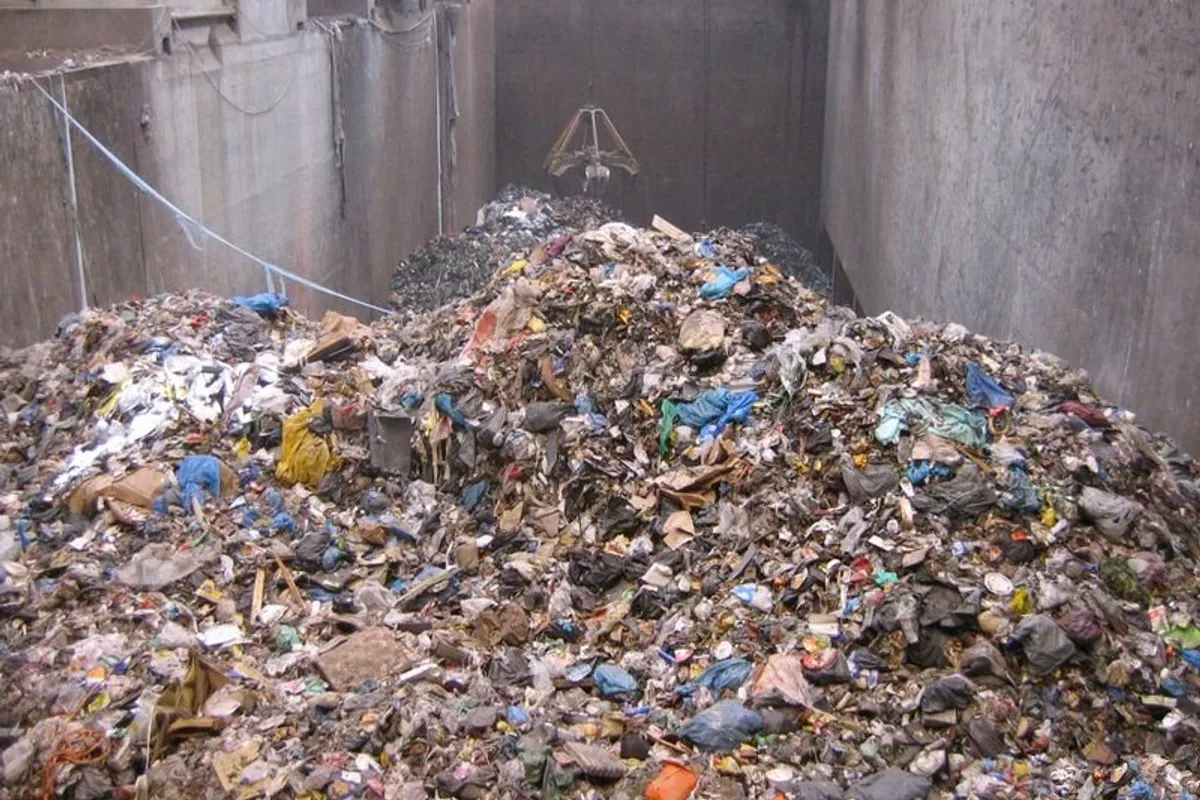
On Tuesday, August 11, 2026, the inner cabinet and coalition partners gathered at Banski dvori to discuss the urgent issue of hazardous waste in Gospić. While the government insists the situation is under control, serious accusations from the opposition suggest connections to a broader criminal network.
Meeting at Banski dvori: 'Criminal Proceedings Underway'
Prime Minister Andrej Plenković shared key messages on Twitter after the meeting. "We held a meeting of the inner cabinet and the coalition regarding the waste situation in Gospić, Lika-Senj County. The main messages are: criminal proceedings are underway, remediation is accelerating, and the coalition is stable, with a shared desire to impose the harshest sanctions on the perpetrators of these crimes," he wrote. He emphasized that the remediation of 37,000 tons of waste would be accelerated, that perpetrators would be held accountable, and that the state would seek compensation for costs.
Citing the Croatian Institute of Public Health (HZJZ), he stated: "According to HZJZ measurements, there is no threat to drinking water in Lika, and the public will be regularly informed about water quality."
A Message of Reassurance: 'Without Hysteria, Panic, or Drama'
Plenković dismissed opposition criticism as misinformation: "The Government of the Republic of Croatia approaches the waste situation in Gospić seriously and responsibly, unlike the opposition, which spreads panic through misinformation in an attempt to create a fabricated emergency situation." He added that the government would act "calmly, rationally, seriously, professionally, and responsibly, without hysteria, panic, or drama."
Regarding political stability, he asserted: "The coalition is stable, and the opposition's initiative to impeach the government will end like many before it."
Opposition Warns: 'An Organized Criminal Network'
Most MPs Zvonimir Troskot, Marin Miletić, and Ivan Matić held a conference in Benkovac on Thursday, presenting alarming claims. "Gospić is key because it's where it all begins. From 2019 to 2025, waste was transported from Gospić to other locations, all the way to Benkovac, which is the latest discovered tentacle of this octopus. It's impossible that so many trucks passed along Croatian highways and county roads without state institutions knowing anything," said Troskot.
Troskot emphasized that the beginning of the chain must be sought in Gospić, where the first permits for importing waste from Italy, Slovenia, and Germany were issued. "After foreign waste, certain Croatian companies recognized the opportunity for illegal disposal, using it to get rid of stock from their warehouses," he added.
He specifically warned about Štikada, where waste was dumped near a lake connected to the Zrmanja river basin. "The Štikada project was pushed as early as 2017, when Darko Milinović was the Lika-Senj County Prefect. We demand to determine who approved such a project and how it was possible to allow waste disposal in a Natura 2000 ecological network area. The consequences today threaten not only the residents of Lika but, via the Zrmanja, the entire Zadar hinterland," he stressed.
Speaking about Benkovac, Troskot noted that around 11,000 tons of waste lie underground, and the way it was buried indicates a premeditated operation. "Someone had to dig the soil, organize the transport of 11,000 tons of waste, unload it, and then cover it up. This is organized and deeply thought-out crime," he said.
Most publicly questioned whether the company Cezar and Josip Šincek, through carriers within the C.I.O.S. group, organized the transport of waste from Sisak to Benkovac. They have asked USKOK and the Tax Administration to investigate business relationships and payments between related companies and individuals.
Public Criticism: 'Government Achievements More Important Than Health'
Commentator Vanja Moskaljov, in his column for Dnevnik.hr, criticized the Prime Minister for what he calls "shocking indifference to the serious problem of hazardous waste in Lika," suggesting that the achievements of his government mattered more to him than the potential health threat to the local population.
While the government highlights concrete steps in remediation and system stability, critics like Moskaljov believe the tone from the top does not reflect the seriousness of the moment for the citizens of Lika.
Youth Day in the Shadow of an Ecological Crisis
Amid the crisis, the Government of the Republic of Croatia marked International Youth Day on August 12 on Twitter, stating its commitment to creating conditions for young people "through quality education, opportunities for personal and professional development, dignified work, independence, and active participation in society." This message stands in stark contrast to the fight for environmental safety in Lika.