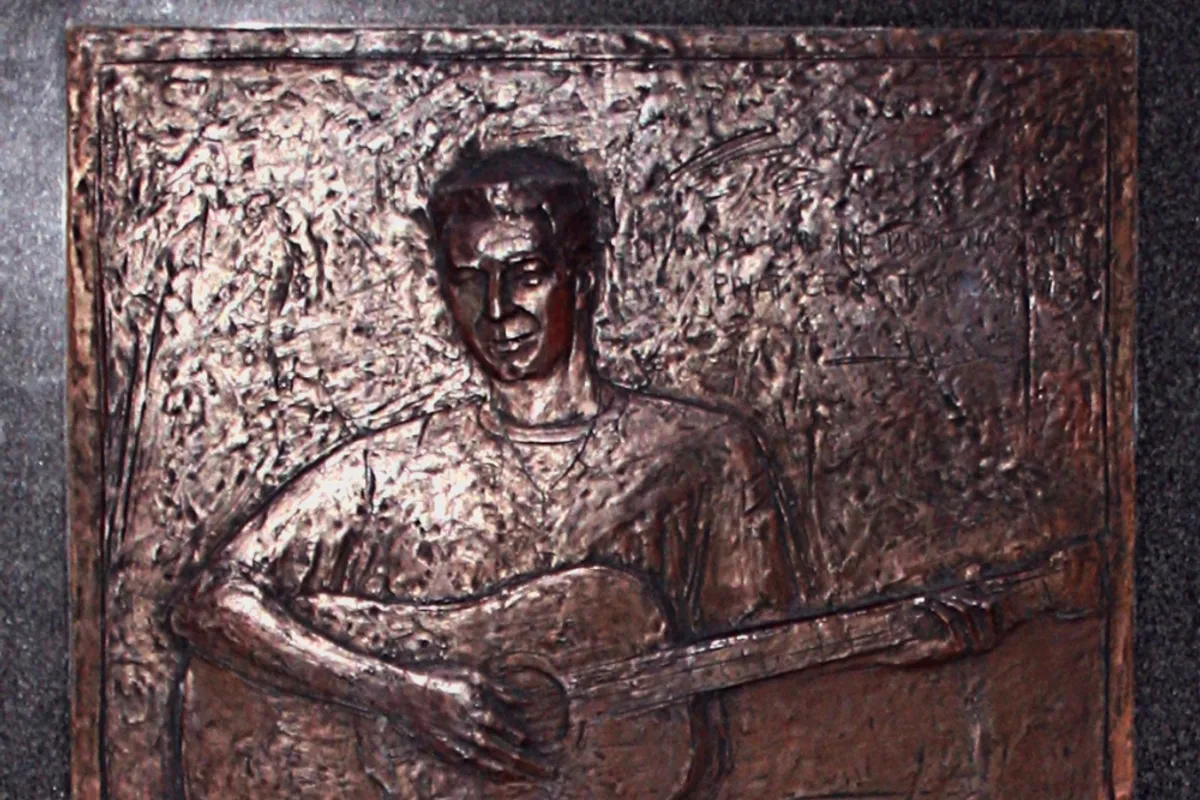
On this day, August 12, 1991, amid the devastating aggression against Croatia, musician Tomislav Ivčić composed and performed a song that would become one of the most powerful weapons in the fight for truth. "Stop the War in Croatia," a prayer in English, was born out of desperation and love for his homeland with a clear goal: to break through the media blockade and force the international community to see what was happening.
The song was not just a musical score but a direct prayer calling on the international community to stop the open Serbo-Chetnik aggression, which sought to crush Croatian sovereignty in an attempt to prevent the creation of an independent Croatian state. With his voice, Ivčić achieved what diplomacy at the time could not-bringing the truth about the war's brutality to the global stage. His appeal resonated far beyond Croatia's borders, and support came from unexpected quarters.
From the Heart of Croatia to Global Charts
The song's impact was immediate and spectacular. "Stop the War in Croatia" broke onto the prestigious American chart Billboard Hot 100, an incredible achievement for a song born amid wartime conditions. In the Australian state of New South Wales, it achieved even greater success, reaching the top ten most-played songs.
The song became a phenomenon, broadcast on the world's most respected television stations. Viewers of BBC, CNN, ZDF, RAI, and ORF could witness the suffering of the Croatian people through Ivčić's music. This media presence was crucial in dismantling the propaganda narrative and revealing the true brutality Croatia was subjected to.
Star Solidarity and the Path to Recognition
Ivčić's appeal did not go unnoticed among global music icons. English musician Phil Collins publicly urged people to help children in Croatia as much as they could, providing immense moral support. Alongside him, numerous Croatian artists and athletes also expressed their support, creating a united front in the fight for truth.
This global campaign, sparked by a single song, played a significant role in informing the world about the war in Croatia. This process, in which Ivčić's music was a pioneer, later led to the international recognition of the independent Croatian state. The song "Stop the War in Croatia" remains a lasting symbol of resistance and proof that art can change history.