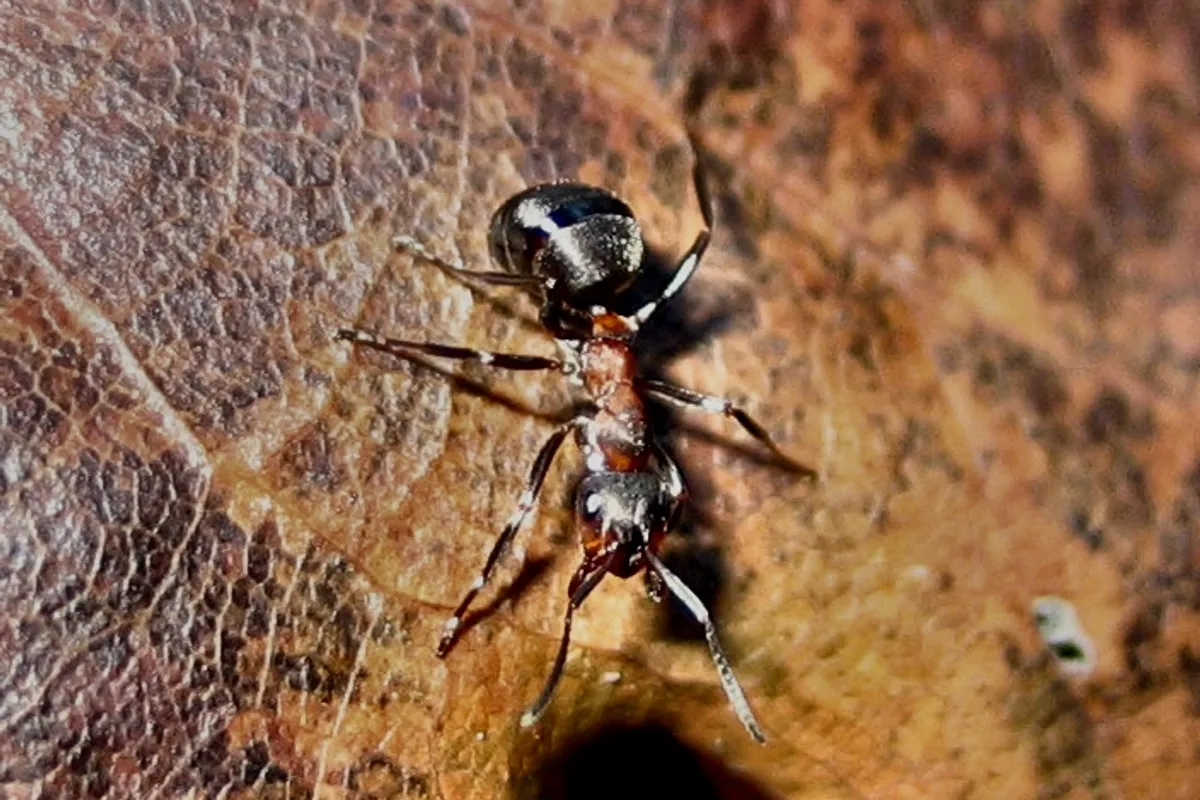
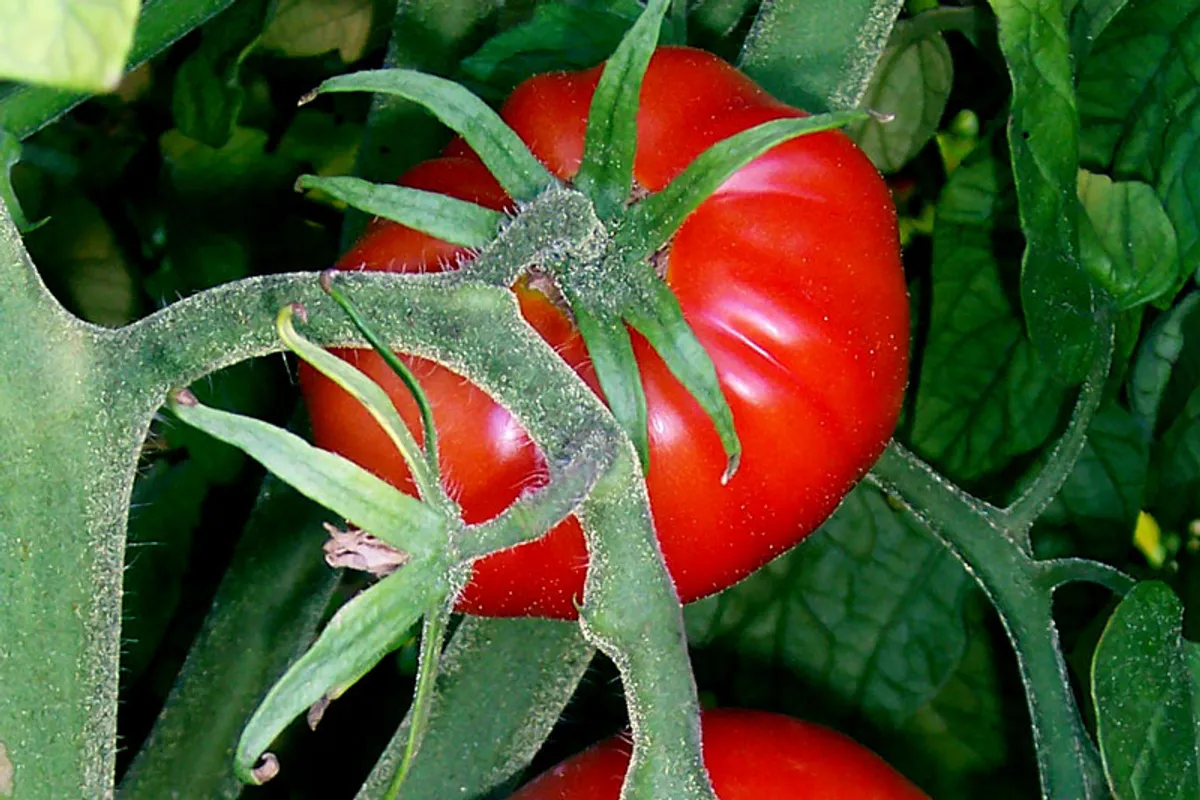
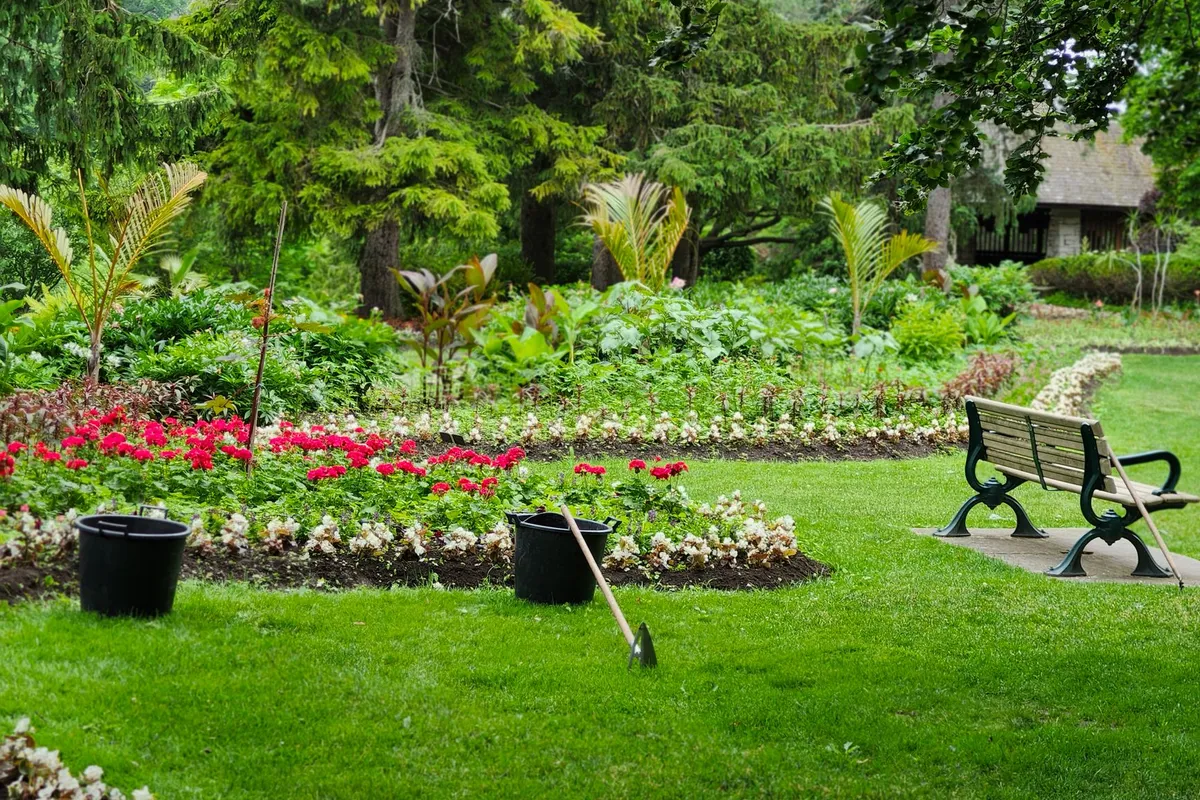
During the summer, most garden activities happen at a fast pace. Plants grow and bloom, but at the same speed, various insects multiply. This group includes ants, which in the warm months easily find their way to vegetable patches, pots, outdoor spaces, and even inside the home. Ants themselves are not necessarily harmful to the garden, but the problem arises when they multiply excessively or start invading areas where we don't want them.
Certain plant species can serve as a natural defense. The strong scents of these plants can make certain locations less attractive to ants, according to Novi list.
Mint and Scented Geraniums for Balcony and Terrace
Mint is easy to grow, and its strong scent is not particularly appealing to ants. It thrives in pots on the balcony, near the terrace, or close to the front door. Due to its rapid spread, it is often more practical to grow it in a container. Plus, during the summer, you'll always have fresh leaves for drinks and desserts.
Scented geraniums, depending on the variety, can emit a lemon, rose, or other plant-like fragrance. They contain geraniol, a natural compound that can have a repellent effect on ants and other pests. Therefore, they are a great choice for balconies and terraces, where they also serve as decoration.
Alliums and Chrysanthemums in the Vegetable Garden
Plants from the onion family have a characteristic smell that many insects dislike. Garlic, onions, and chives can therefore be integrated into the vegetable garden or planted along the edges of beds. Chives are especially suitable for small gardens and balconies because they don't take up much space, and their flowers attract pollinators.
Chrysanthemums contain pyrethrin, a natural compound known for its effectiveness against various pests. They can be a charming addition to flower beds or pots in areas where you want to reduce insect presence. When buying, pay attention to the variety if you want a plant that returns every year.
Mediterranean Classics: Bay Laurel, Rosemary, and Lavender
Bay laurel is known as a spice, but its intense scent can also help deter ants. In warmer regions, it can be grown outdoors, while in other areas it is more practical to keep it in a pot. During the summer, you can place it on the terrace or near the door, and before winter, it needs protection from low temperatures.
Rosemary is among the best plants for a summer balcony. It prefers sun, tolerates heat well, and doesn't require much watering. Its intense scent can help repel ants and other pests. Good drainage is crucial because the plant tolerates dry soil much better than excessive moisture.
Lavender is a must-have in the summer garden, and its strong scent can help keep ants away from certain areas. It grows best in a sunny spot with well-draining soil. Furthermore, its purple flowers attract bees and butterflies, making it beneficial for other garden wildlife.
Lemongrass for Sunny Spots
Lemongrass has a strong citrusy scent that can be unpleasant for ants. It can be grown in a pot on a sunny balcony or terrace. Since it doesn't tolerate frost, it should be protected or moved indoors before winter.
Plants Help, But They're Not a Magic Solution
Aromatic plants can be a useful part of a natural approach to ant control, but don't expect them to solve a serious infestation. Their role is primarily to make certain areas less attractive. When ants appear in large numbers, it's important to remove food sources, sweet leftovers, and water, and to seal cracks through which they enter the house.
The best strategy is therefore a combination: a tidy space, removing what attracts ants, and a few aromatic plants strategically placed around the garden, balcony, or terrace. That way, you'll get a greener and more pleasant summer space.