Professor Grgić: Agriculture Must Be a Profit-Making Enterprise
The Faculty of Agriculture urges a shift in technology, not crops, and warns of a possible 20 percent price increase if droughts persist.
The Faculty of Agriculture urges a shift in technology, not crops, and warns of a possible 20 percent price increase if droughts persist.
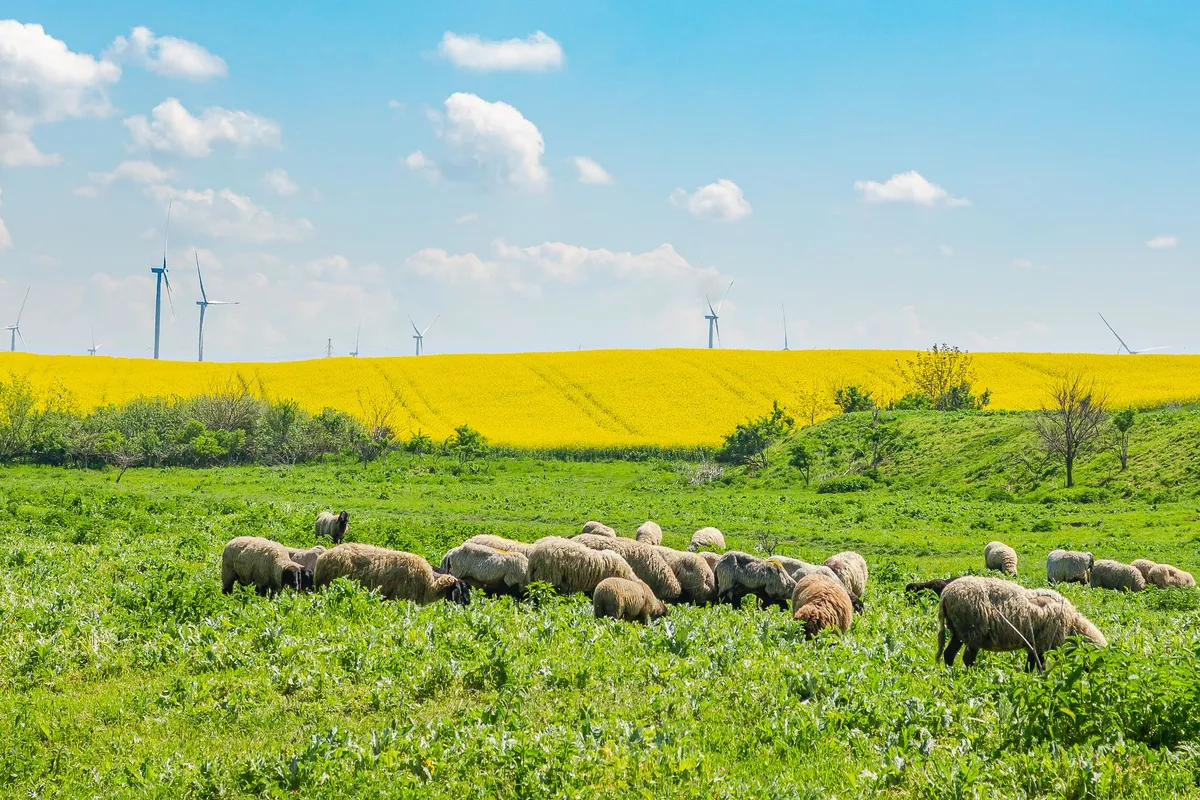
Amid increasingly frequent heatwaves and droughts, the public is increasingly questioning whether Croatia should radically change the agricultural crops it cultivates. Professor Ivo Grgić from the Faculty of Agriculture in Zagreb, appearing on RTL Direkt on August 6, 2026, gave a clear answer: the key is not replacing crops but adapting the way we produce.
"I don't think so. It's time to change production technology," said Grgić, dismissing the idea of a mass shift to, for example, growing avocados in Dalmatia or mandarins in Slavonia. He emphasized that the existing system can be improved by changing soil preparation and tillage, introducing new varieties and cultivars, and adapting the entire production method.
Professor Grgić particularly highlighted the importance of better water management, calling it our most vital resource. He explained the concept of the "water footprint," which refers not only to what we drink but to all the water needed to produce everything we use, including clothing like ties.
"We must manage our most important resource, water, much better," he urged, adding that each person daily "consumes" about 3,000 liters of water through everything they consume and use. He also addressed the perception of domestic food as more expensive and suggested a return to self-production: "If you buy it, maybe it is. But many of us can produce some of our food ourselves. We need to return to using the resources we have."
Although he believes there is no reason for food prices to rise this year due to higher agricultural commodity prices, Professor Grgić warns that the situation could change. "If energy prices rise, food prices will also rise. But we shouldn't expect a sudden jump in agricultural commodity prices," he said.
However, he also outlined a potentially more serious scenario. "Croatia currently has fruit and vegetables from other EU countries and third countries. But if next year is similar to this one-and no one has a crystal ball to predict that-there is a possibility that agricultural commodity prices could rise by around 20 percent, and then logically, the prices of the food we consume will also rise," Grgić emphasized. He added a chilling warning: "Let's not forget: the most expensive food is the food that isn't there."
Discussing adaptation to climate change, Grgić identified three key factors: the state, which encourages change through measures; the farmers themselves; and science and expertise, which need to develop new technologies. He believes the state is taking certain steps and that the Strategy for Adaptation to Climate Change until 2040 is a good framework, but often there is a lack of response from the field.
He singled out the fragmented production structure as one of the burning issues. "This is a problem rarely discussed. For instance, with African swine fever, we deal with wild boars, but we don't solve the main problem: the fragmented production structure," he warned. Croatia currently has around 160,000 producers, mostly family farms, and Grgić believes that without consolidation, there can be no real progress.
Professor Grgić's central message is that the perception of agriculture must fundamentally change. "Agriculture today is about producing profit. We need to forget the romanticized image of a rooster crowing and a pig in the yard. You have to be able to make money here," he said.
He concluded that this is the only way to keep young people in rural areas: "Young people won't stay in agriculture out of love for the job. If they are enabled to earn a decent average net salary in agriculture, then they will pursue it. Without that, it's hard."