Protests and Pressures: Why Serbia Is Wobbling
From a contentious lithium mine to demands for the rule of law, internal tensions in Serbia are testing the stability of the Western Balkans.
From a contentious lithium mine to demands for the rule of law, internal tensions in Serbia are testing the stability of the Western Balkans.
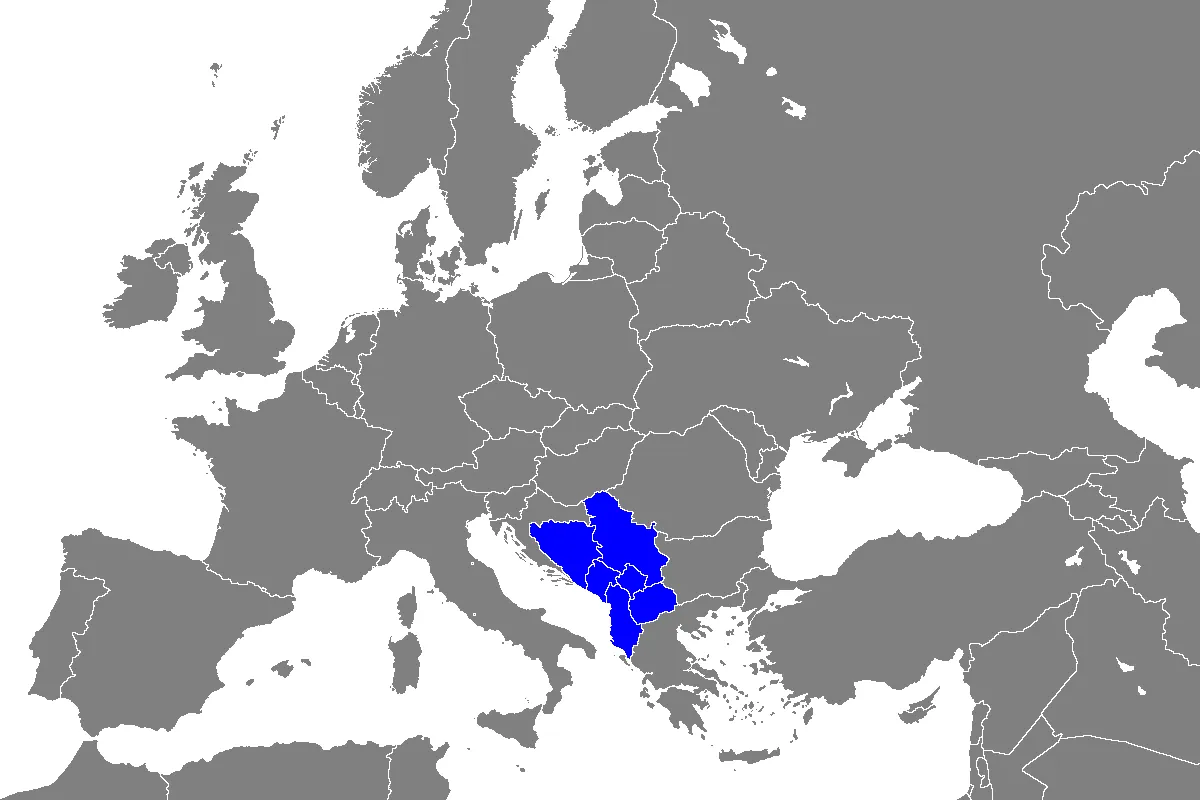
Although positioned on the international stage as a key player whose balancing act between East and West is closely watched, Serbia is facing growing internal pressures that could define its political future. From mass protests over environmental issues to chronic demands for reforms, the government in Belgrade is under the microscope of both its own citizens and Brussels.
The lithium mining project in the Jadar Valley, led by Anglo-Australian giant Rio Tinto, has become a flashpoint for discontent. While Aleksandar Vučić's government highlights the enormous economic potential and the opportunity for Serbia to become a key supplier for Europe's electric vehicle industry, environmental groups and local residents fear irreversible pollution. Mass protests in 2021 and 2022 blocked roads across the country, forcing authorities to temporarily revoke permits, but the issue is far from resolved.
These protests have evolved into a platform for broader civic discontent, bringing together opposition parties such as those of Marinika Tepić and Dragan Đilas, as well as a large part of the non-governmental sector. For observers, Jadar is no longer just a fight for the environment but a test of civil society's endurance against the authority of the state.
Internal tensions are further complicated by foreign policy maneuvers. Serbia, which received EU candidate status in 2012, is under constant pressure from Brussels to align its foreign policy, particularly by imposing sanctions on Russia. Although traditionally close to Moscow, Belgrade did introduce restrictive measures in 2023, a move analysts interpret as a pragmatic step toward the West but also a risk for potential unrest among part of the electorate.
At the same time, the Kosovo issue remains an open wound. Despite the 2013 normalization agreement, Serbia still does not recognize Pristina's independence. This frozen conflict, with occasional escalations, poses a permanent threat to regional stability and a key obstacle on Serbia's European path.
While the battle for the political future unfolds, citizens face tangible economic challenges. Inflation stood at around 8% in 2023, eroding living standards. Despite this, the government is pushing major infrastructure projects, including preparations to host the specialized EXPO 2027 exhibition, which is presented as a growth generator. Trade with the European Union, which accounts for more than 60% of total foreign trade, underscores the deep economic interweaving with the bloc Serbia officially aspires to join.
Pressure on the government of Prime Minister Miloš Vučević and Foreign Minister Ivica Dačić comes from multiple directions. They are expected to simultaneously maintain economic stability, calm passions over environmental issues, continue the dialogue with Pristina, and respond to EU demands. How they handle these challenges will determine not only the political fate of the ruling Serbian Progressive Party (SNS) but also the direction the entire Western Balkans region will take.