Croatian cities are facing a new wave of extreme heat, and the natural cooling systems-urban trees-are under unprecedented stress. Fran Poštenjak, Croatia's first tree doctor, who owns the company Arboring and serves as Director of Professional Development, Urban Forestry, and Community Solutions at the Ekologija.hr platform, emphasizes that Croatian cities, unless they change their approach to urban greenery, will be left without natural protection against extreme heat.
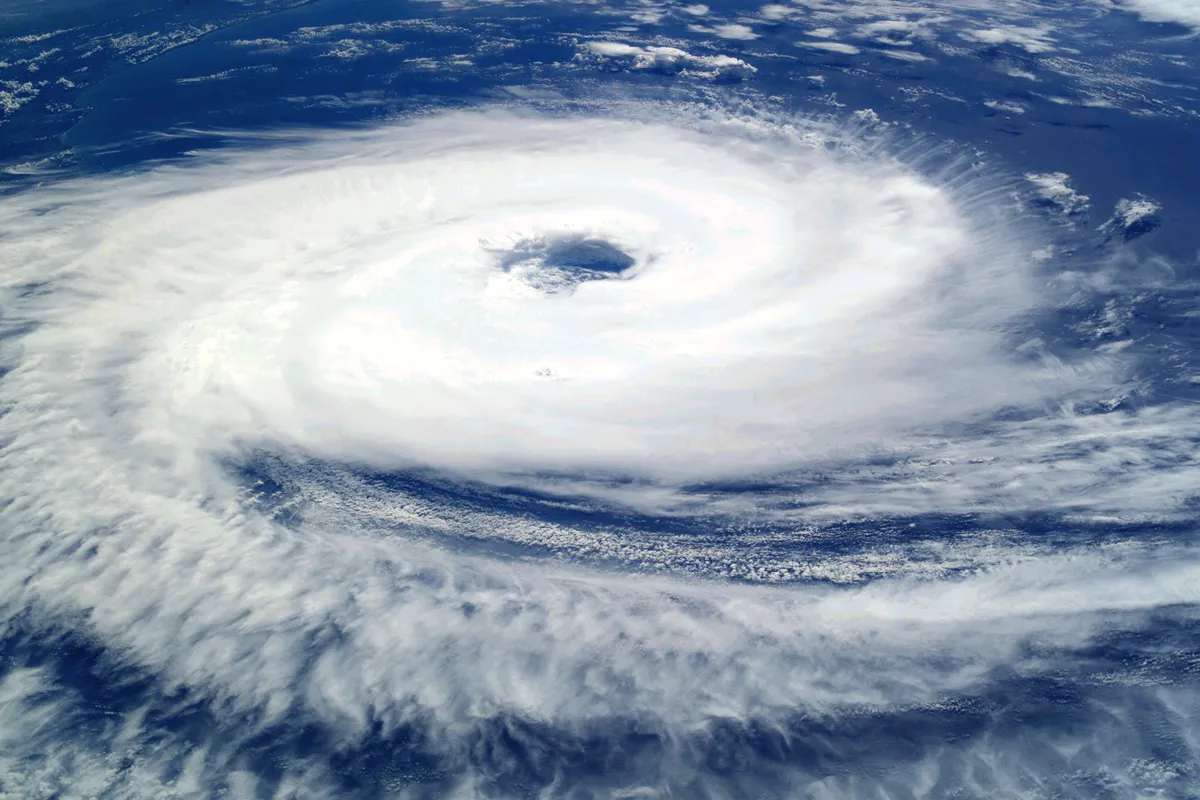
In recent weeks, a new wave of extreme heat has been hitting Europe and Croatia, confirming experts' predictions that the European continent is warming twice as fast as the rest of the world. German climatologist Andreas Jäger, known for his research, dramatically warns that current extreme temperatures and storms have become our new reality, and that this summer is likely the coolest we will experience in the coming centuries.
Trees Consume Up to 600 Liters of Water a Day
Poštenjak points out that trees are among the first to suffer from drastic water consumption. "On average, trees contain about 50% water, and at normal summer temperatures up to 25°C, an average urban tree 20 meters tall consumes between 150 and 200 liters of water per day. However, at temperatures of 35°C and above, consumption skyrockets to 400 to 600 liters or more-especially in areas dominated by asphalt and concrete, which retain and release enormous amounts of heat," Poštenjak told Sisak.info.
He calls drought the silent killer of trees because the effects we see in summer are only on the surface. The real consequences become visible in autumn when it is determined how many trees have been permanently damaged. Physiological processes in the plant slow down or stop due to lack of water. Wilting and chlorosis are the first signs, but if the drought persists, the tree loses its leaves, the conductive tissues break down, and the organism may completely die.
Summer Branch Drop and Compacted Soil
One of the most dangerous defense mechanisms of trees in urban conditions is the phenomenon of summer branch drop. This is the sudden breakage of heavy, lower branches on mature trees, most commonly oaks, ashes, beeches, and elms, which occurs after prolonged dry periods and poses a direct threat to passersby and property.
In Croatian cities, compacted soil-resulting from years of foot traffic, vehicle use, and construction work-adds to the problem. In such soil, the small pores that allow air and water to penetrate disappear, so rainfall mostly runs off the surface rather than reaching the roots.
Proper Irrigation and Planting Are Key to Survival
Poštenjak stresses that a tree's drought resistance is determined at the time of planting. "When watering mature and young trees, it is crucial to perform deep irrigation rather than surface watering. Surface watering of the top 5 to 10 centimeters of soil trains the tree to develop shallow roots. Water must penetrate deeper than 15 centimeters to be truly usable. Additionally, trees lose up to 90% of their root system when transplanted, which is why young trees in their first three years require regular irrigation with 50 to 80 liters of water, once or twice a week, along with mandatory mulching with wood chips that must not touch the trunk itself," he explains.
According to modern urban forestry standards, the planting pit should be sized according to the expected size of the mature crown. For a crown with a diameter of 3 meters, about 4 cubic meters of uncompacted soil is needed; for a crown of 8 meters, about 30 cubic meters; and for large trees with a crown over 10 meters, more than 45 cubic meters of quality, uncompacted soil is required. In dense urban centers, this can be achieved using load-bearing soils and underground support elements that support pedestrian or traffic surfaces while providing roots with enough space and oxygen.
Losing a Tree Is a Huge Financial Loss
Poštenjak warns that losing a tree is not just an aesthetic loss but also a massive financial one. "We will only see the true consequences of this season's droughts in autumn. Every lost mature tree means the loss of free street cooling, increased noise, and a drop in property values. A young tree takes decades to compensate for the function of a mature one. That is why investing in soil decompaction, proper planting, and irrigation is not a luxury but a key investment in the safety and sustainability of our cities in the years to come," he emphasizes.
Trees help cool cities and mitigate the urban heat island effect, filter the air, retain rainwater, reduce noise, increase property values, and have been proven to improve the mental and physical health of residents. Every lost mature tree means higher cooling costs, greater pressure on the healthcare system, higher flood risks, and decades of waiting for a new tree to compensate for the lost functions.
"Investing in quality planting is not an expense-it is an investment in the safety, health, and resilience of cities," Poštenjak concludes.