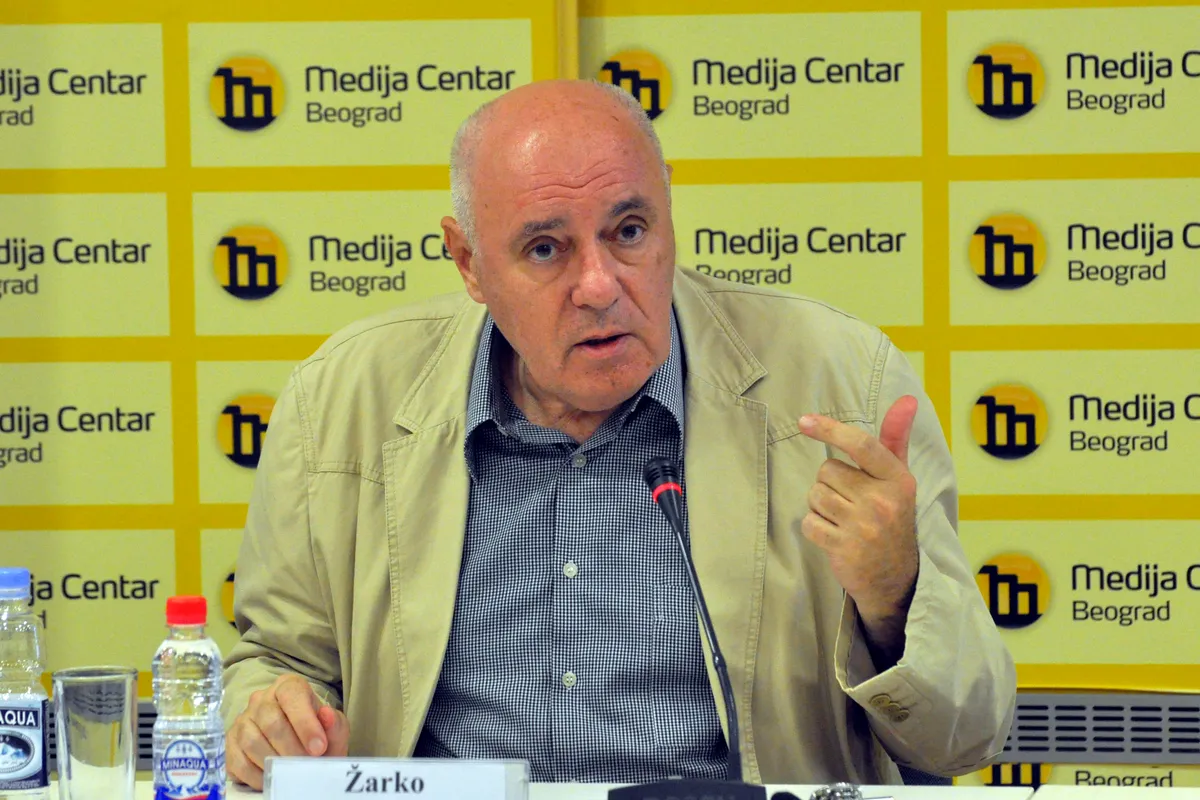
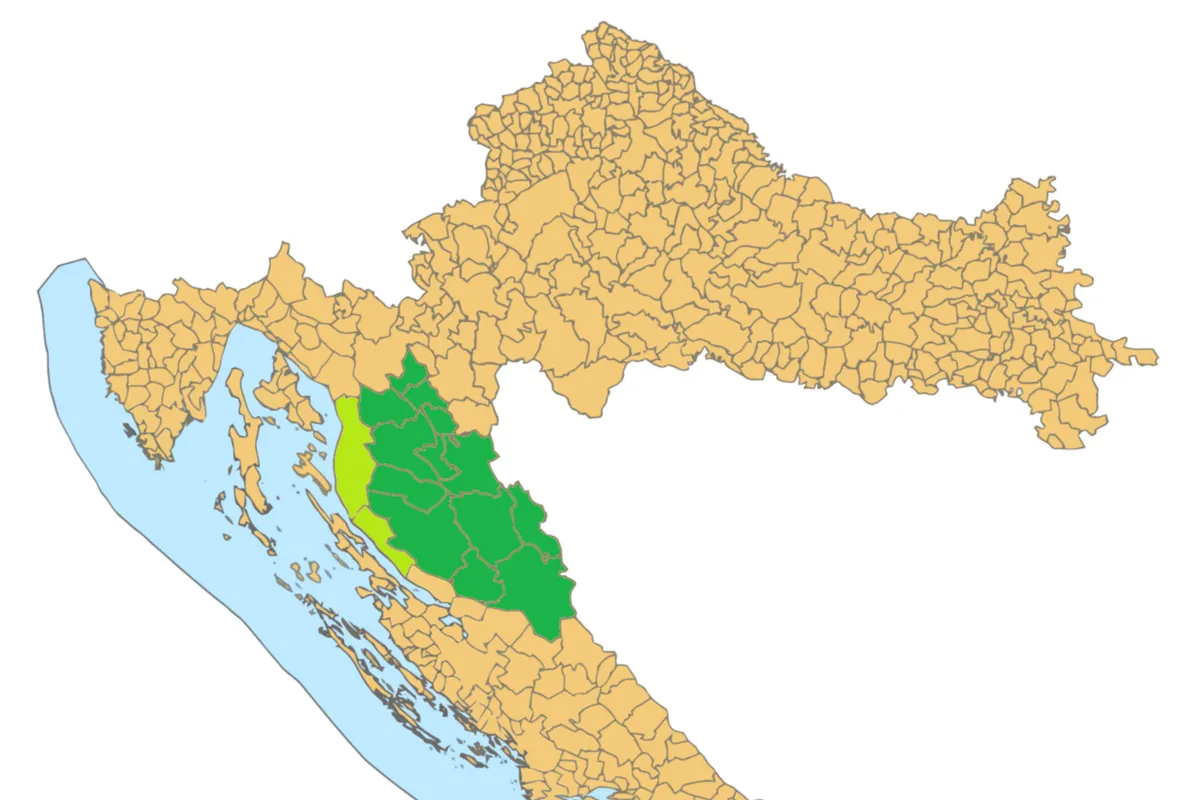
Political analyst Žarko Puhovski said on Tuesday, August 11, 2026, during an appearance on N1 television, that the environmental scandal shaking Croatia could escalate into one of the most serious political crises for Prime Minister Andrej Plenković and his government. While he does not rule out the possibility of the government's fall, he believes that is not the most likely scenario.
"It's quite possible. However, it would be rather unusual for a government to fall in Croatia specifically over environmental reasons," Puhovski said. He stressed that the question of potential lasting consequences of the pollution is more important at this moment than the political fate of the government. He also warned of the danger of irreversible contamination, noting that the term "irreversible" points to the seriousness of the situation.
"When you hear the word irreversible, meaning something that cannot be undone, something has happened that cannot be fixed," he warned.
Puhovski called for the urgent formation of a special cross-party task force that would coordinate remediation efforts and oversee the work of relevant institutions. "Before the fall of the government, which is entirely possible but I'm not sure it's realistic, it seems to me that we urgently need to establish a truly special cross-party task force to deal with this," he said.
Scale of the scandal and institutional responsibility
The analyst emphasized that the scale of the case indicates this is not isolated crime but a systemic problem. "We're talking about hundreds of trucks. So, this is not smuggling by three people. This is a major state operation, or an operation in which the state was involved," Puhovski asserted, adding that the government will have to explain failures in the work of institutions, especially the State Inspectorate, the police, and customs. He also noted that it remains to be determined whether this is corruption, incompetence, or a combination of both.
He was particularly critical of the police and customs, questioning where these institutions were while convoys of trucks stretching for dozens of kilometers passed through. "Mind you, hundreds of trucks, that's dozens of kilometers in length. Where was the police? What about customs?" he asked. "Hundreds of trucks could not have gone unnoticed. The question is where the police and customs were," he repeated.
Criticism of the government and President Milanović
Puhovski criticized the government for failing to appoint a chief state inspector for months and called for oversight of the Ministry of Environment and the Ministry of Economy, particularly the part dealing with mining. He believes that the Parliament should play a key role in overseeing the work of any task force.
He also sharply criticized President Zoran Milanović for not requesting an urgent session of Parliament. According to Puhovski, the president could have sent a brief request to Parliament Speaker Gordan Jandroković and called for an extraordinary session due to the environmental situation. "Why didn't he do that? I don't know," he said.
"The government will be held accountable for everything, from the chief state inspector, through these legal changes that actually liberalized behavior, to the lack of control," he said.
Plenković can no longer ignore the problem
Asked how Prime Minister Plenković will handle the crisis, Puhovski compared the situation to the metaphor of the elephant in the room. "Now it's that story about the elephant. The elephant is in the room. We can pretend for a while that we don't see it. Now he can no longer pretend not to see it," he said.
As a first concrete step, he proposed the immediate dismissal of the Minister of Environment, although he doubts Plenković is ready for such a move at this point. "The first step really would be, and I don't believe he is capable of it at this moment, the dismissal of the Minister of Environment, and immediately," he stated. He added that individuals in the part of the Ministry of Economy should also bear responsibility.
Opposition and the question of unity
Commenting on the call by the Most party for opposition unity, Puhovski assessed that such a scenario is "not very realistic." At the same time, he praised Most as the first party to react more seriously to the scandal, while the SDP and Možemo were slower to respond.
"Most was indeed the first here. The SDP, of course, spent two days thinking about what to do, whether to do anything. Možemo reacted, although not as quickly as they should have. They should have been the first," Puhovski said.
Despite political differences, the analyst believes that the seriousness of the situation should be enough for parties to at least temporarily set aside ideological conflicts. "I think this is important enough to overcome all those differences, and to say in passing: we won't forget you, but let's put that aside," he concluded, leaving open the question of whether there are politicians in Croatia ready for such a step.