Airbus and Qantas Set a New Standard: 22-Hour Test Flight Successfully Completed
The first A350-1000ULR test flight lands in Melbourne, with nonstop routes arriving in 2027
The first A350-1000ULR test flight lands in Melbourne, with nonstop routes arriving in 2027
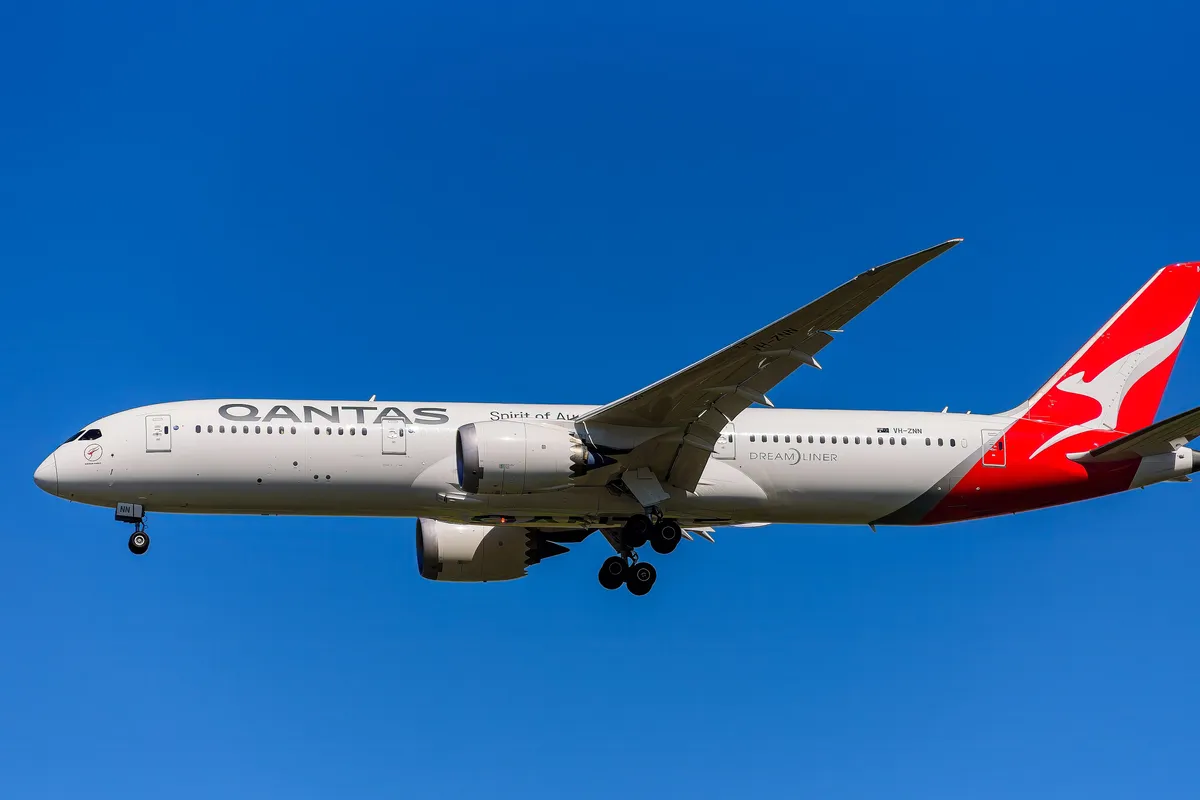
Qantas has made significant progress in its plans for the world's longest commercial flights. On Friday, July 24, 2026, an Airbus A350-1000ULR landed in Melbourne after taking off from Toulouse, where Airbus's facility is located. This test flight marked an important milestone in the Project Sunrise initiative, which aims to connect Sydney and London without stopovers.
Project Sunrise is Qantas's venture that will enable direct flights between Sydney and London, with no stops at all. From October 2027, passengers will be able to travel for up to 22 hours on a single flight, cutting total travel time by up to four hours compared to current routes that include at least one stopover. These new routes will join Qantas's existing Perth-London and Sydney-Singapore-London services.
The flight from Toulouse was operated by four Airbus test pilots and five flight engineers, who thoroughly checked all aircraft systems, including the new fuel system. The key innovation is an additional tank with a capacity of 20,000 liters, which enables nonstop flights lasting up to 22 hours. The return to Toulouse is scheduled for Monday, July 27, and two Qantas pilots will join the Airbus crew in the cockpit.
This aircraft first took to the skies on June 2, 2026, followed by extensive ground and air testing. Meanwhile, the first aircraft in Qantas livery, named Vega, is being assembled on the Airbus production line. Delivery of Vega is planned for April 2027, with ticket sales for the first direct flights starting in February of the same year. Qantas will receive a total of 12 A350-1000ULR aircraft, which will have 238 seats in four classes, significantly fewer than the standard 350 to 410 seats this type typically has.
Qantas, together with scientists from the Charles Perkins Centre at the University of Sydney, has developed a passenger wellness program. The aircraft will feature a dedicated relaxation and stretching zone, located between premium economy and economy class, equipped with handrails, large screens with exercise routines, and a self-service station offering healthy snacks and drinks.
The cabins will feature dynamic lighting that mimics sunrise and sunset, helping the body adjust to the destination time zone and reduce jet lag. The menu and meal schedule are scientifically designed to reduce fatigue and maintain hydration, while the air conditioning will maintain optimal pressure and humidity. With fewer passengers (238 instead of 350-410), each traveler has more space and can move around more easily.