At least 20 people lost their lives in a devastating earthquake that struck Colombia on Monday, August 10, 2026. The epicenter of the 7.4-magnitude quake was in the Chocó department, with the city of Pereira in the central part of the country suffering the most, where 18 people were killed. The earthquake occurred at 7:34 a.m. local time, followed by a series of aftershocks that kept the population on alert.
Critical Situation in Pereira, Casualties Also in Manizales
Pereira's mayor, Mauricio Salazar, described the situation as extremely difficult. "The situation is critical," he told Caracol Radio. In addition to the 18 deaths in Pereira, two more people were killed in the city of Manizales, bringing the total number of confirmed casualties to 20. In Manizales, the tower of the city's cathedral was also damaged, among other structures.
Panic, Aftershocks, and Damage Across the Country
The earthquake was felt in several regions, including the capital, Bogotá, where Mayor Carlos Galán reported no major damage. Tremors were also recorded in neighboring Venezuela. Reuters witnesses in the Venezuelan border state of Táchira and the city of Barquisimeto in the central-western part of the country also confirmed feeling the quake. About an hour after the initial tremor, the same area was shaken by a 4.6-magnitude aftershock. According to the Colombian Geological Service, several aftershocks were recorded, including one at 10:01 a.m. with a magnitude of 3.8 and an epicenter in San José del Palmar at a depth of 88 kilometers.
The governor of the Risaralda department, Juan Diego Patiño, told Blu Radio: "What just happened is very serious. The footage is truly shocking; there are injured people and collapsed building facades."
Buildings Collapsed, People Trapped Under Rubble
In the city of Cali, at least 20 buildings collapsed, leaving people trapped under the debris, according to Mayor Alejandro Eder. The city urgently requested assistance from rescue teams in Bogotá and Medellín. Significant damage to buildings and a large number of injuries were also reported in Quibdó, the capital of the Chocó department.
The governor of Chocó, Nubia Karolina Córdoba-Curi, posted details about the scale of the disaster on social media platform X. "We have just experienced a strong earthquake in the Chocó department. We are concerned about aftershocks. Although the epicenter was near San José del Palmar, there are injured people and significant damage to buildings in the capital, Quibdó. We are already assessing the damage and will soon release the first official report," she wrote.
Authorities Respond: Mobilization Declared, Airports Damaged, Metro Suspended
Colombian President Abelardo de la Espriella ordered the formation of a crisis team in San José del Palmar to coordinate aid and recovery efforts. He also announced that he would personally travel to the hardest-hit city of Pereira. The state air traffic administration reported that several airports had sustained damage and operations were suspended. In Medellín, where the quake was also strongly felt, the metro temporarily halted service on lines A and B and on several Metrocable lines to conduct safety checks on infrastructure. Residents were evacuated from buildings as a precaution, and local media such as Noticias Telemedellín captured the moment of the tremor during a live broadcast.
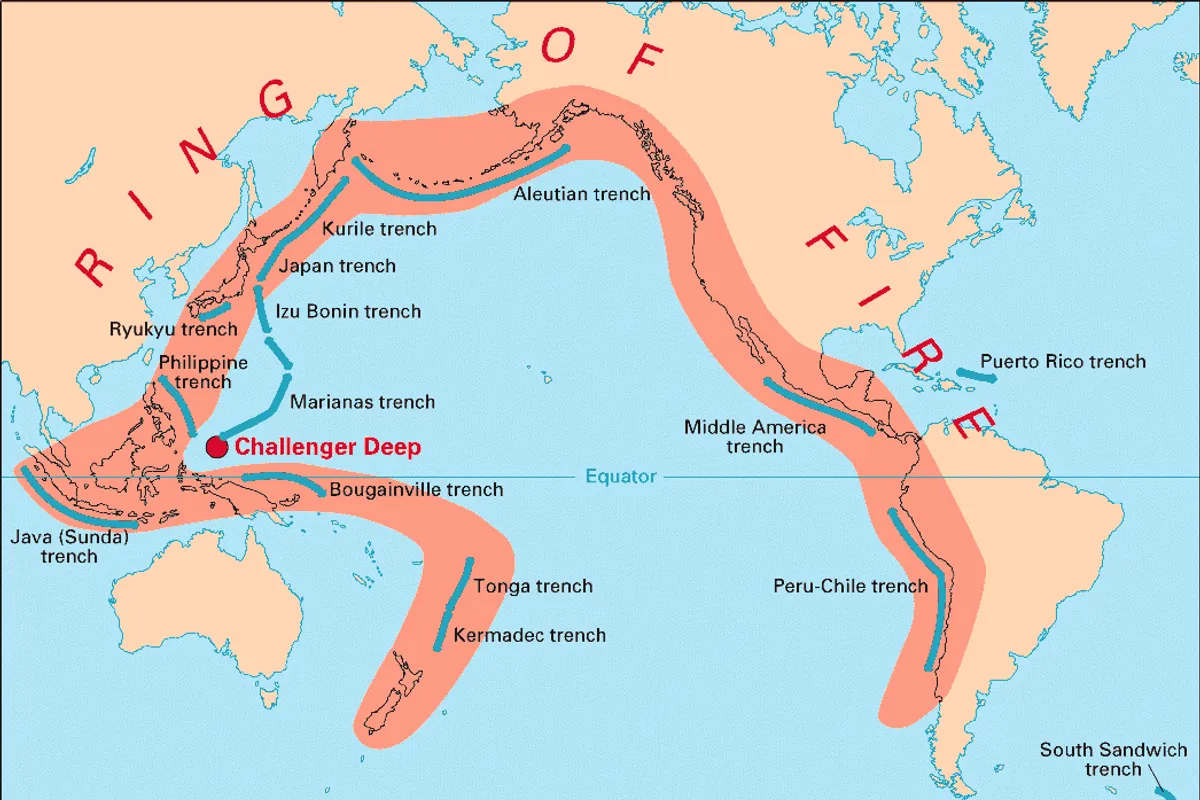
The Colombian Geological Service estimated the epicenter at a depth of 96 kilometers, while the U.S. Geological Survey (USGS) reported a depth of 107 kilometers. The U.S. tsunami warning system confirmed there was no tsunami risk. Colombia lies on the so-called Pacific Ring of Fire, an area of intense seismic activity.
Colombia's National Disaster Risk Management Service said it was in contact with local authorities to determine the final death toll and the full extent of the damage. It is worth recalling that in June of this year, Venezuela was hit by two devastating earthquakes that killed more than 6,000 people, mostly in the coastal area near the capital, Caracas.