Romania Sinks Four Barges in the Danube
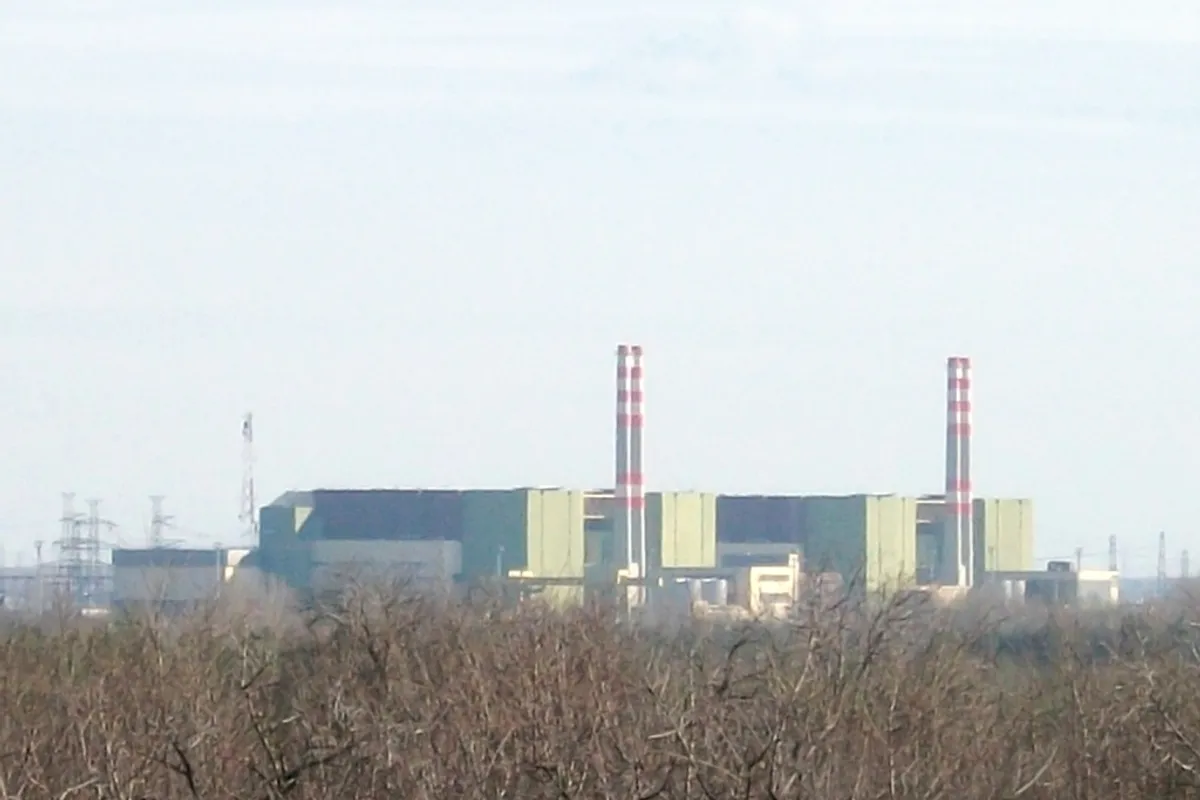
Emergency intervention on the Bala branch redirected the river's flow towards the Cernavodă power plant, whose operation was threatened by historically low water levels caused by a prolonged drought.
Emergency intervention on the Bala branch redirected the river's flow towards the Cernavodă power plant, whose operation was threatened by historically low water levels caused by a prolonged drought.

Romanian authorities have successfully completed a dramatic operation to deliberately sink four barges loaded with stones in the Danube, aiming to redirect part of the river's flow towards the Cernavodă nuclear power plant. The plant, which generates about 20 percent of the country's electricity, was at risk of having its last operational reactor shut down due to critically low water levels caused by a prolonged drought.
The operation was carried out on Sunday, August 10, 2026, in the Bala branch area, where all four barges were submerged to form two artificial underwater sills. Their purpose is to channel water towards the Old Danube and slow the drop in water levels at the plant itself. "The sinking was carried out at a location designated by Apele Române," stated Irinel Ionel Scrioșteanu, a state secretary in Romania's Ministry of Transport.
The intervention required the deployment of four powerful pusher tugs and additional vessels. Two barges were positioned about 500 meters from the entrance to the Bala branch, while the other two were placed upstream. Sinking the last two barges took a full seven hours, and the entire operation was overseen by Romania's National Water Administration (Apele Române), which confirmed its success.
The stones used to fill the barges were obtained from a previous controlled blasting of the Pârjoaia rock nearby. In addition to the blasting and sinking, dredging of the Danube riverbed was also carried out to ensure maximum water diversion towards the critical point. The effects of all these measures are expected to be seen later today.
In recent days, the Danube in Romania has recorded a flow of only 1,400 cubic meters per second, which is less than a third of the usual flow for this time of year. This is a consequence of a prolonged period of extremely high temperatures and a lack of precipitation. The Cernavodă nuclear power plant uses water from the Danube to cool its reactors, and one has already been shut down.
The plant's director, Romeo Urjan, warned that without urgent intervention, the second and only remaining operational reactor could be shut down within five to six days. He estimated that diverting an additional amount of water could extend its operation by several days. Following the successful operation, Romania announced that the reactor can now continue operating for another nine days.