Russia Builds Secret Drone Bases Capable of Striking Warsaw
The Telegraph has identified 10 Kremlin bases with newly constructed launch ramps along the border with Belarus and Ukraine, some of which are already being used for attacks on Ukraine.
The Telegraph has identified 10 Kremlin bases with newly constructed launch ramps along the border with Belarus and Ukraine, some of which are already being used for attacks on Ukraine.
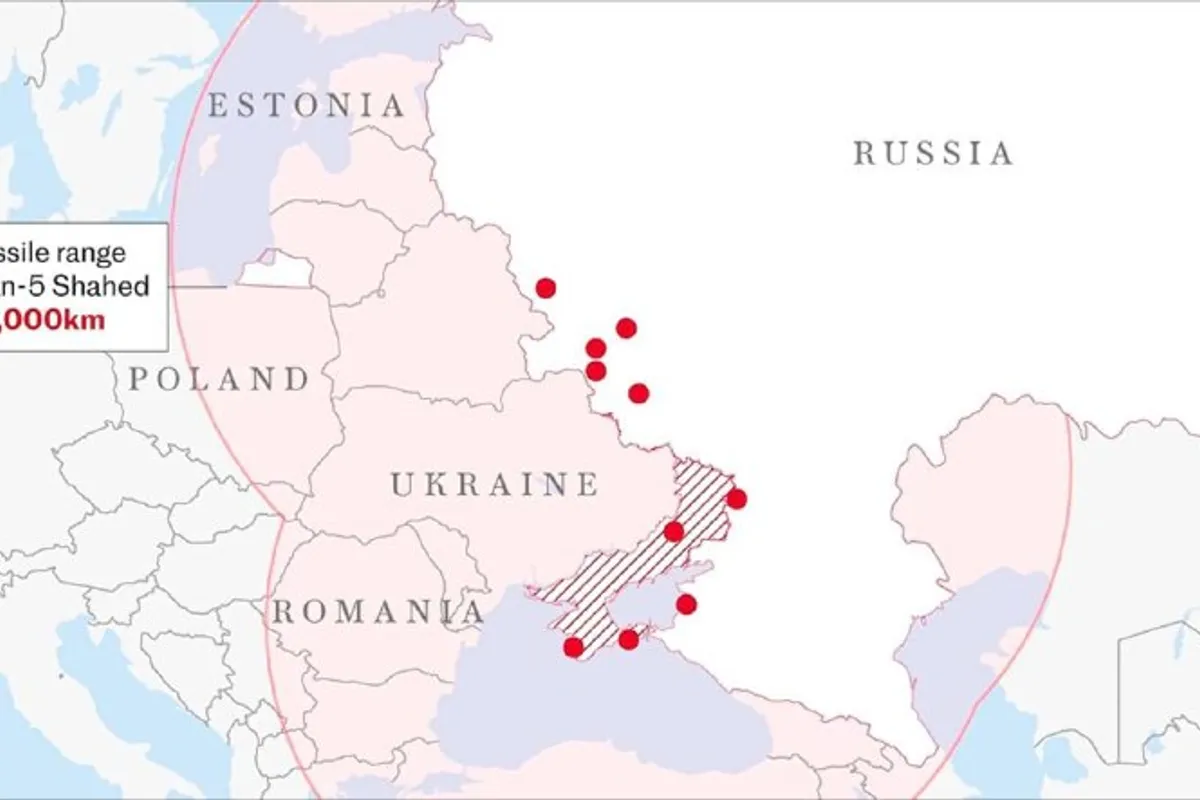
Russia has built a network of secret bases for launching long-range drones that can reach NATO territory, including Warsaw, an investigation by The Telegraph published on August 17, 2026, has revealed. The investigation identified 10 Kremlin bases with newly constructed launch ramps intended for Moscow's most advanced long-range unmanned aerial vehicles, with some already being used for attacks on Ukraine.
According to The Telegraph, these bases pose a long-term threat to NATO allies by placing their territories within reach of high-tech drones developed by Vladimir Putin's regime. Intelligence officials from Europe and the U.S. believe Moscow is considering armed incidents on Polish territory, including missile or drone strikes on critical infrastructure, as well as false-flag operations that could be blamed on Ukraine.
A NATO official told The Telegraph that the military alliance is "ready to defend every inch of allied territory." In a similar vein, NATO posted on social media platform X on August 16, 2026, that its forces in Slovakia are testing the latest technologies, including drones and robots, to help protect the eastern flank of the Alliance.
Using documents and satellite imagery, The Telegraph identified at least 59 new launch rails-mechanical guides for fixed-wing drone takeoffs-along Russia's border with Belarus and Ukraine. Some of the drone bases were created by converting old military installations and civilian airfields, while additional launch ramps were set up in rural areas of Russia.
Analysis of the imagery conducted by DroneSec, a company specializing in drone intelligence, showed that approximately 20 of the new rails have extended lengths, suggesting they can launch Russia's latest long-range drones. One of the bases has enough space to store more than 1,000 drones simultaneously.
Moscow is rapidly upgrading its version of the Iranian Shahed drone, deploying newer, faster jet-powered variants. According to leaked documents from the Ukrainian government, the latest versions, known as Geran-4 and Geran-5, can fly fast enough to evade air defenses and carry a 90-kilogram payload.
Ukraine's military intelligence service, GUR, has warned that Russia is equipping Geran drones with air-to-air missiles to target aircraft defending Kyiv. The Kremlin claims that even slower, older drone variants could reach British shores, although any such attempt would likely be intercepted.
The Telegraph has learned that the bases are supplied by numerous ammunition factories across the country, including the Alabuga special economic zone, a Russian drone production campus that manufactures six thousand units annually. Mike Monnik, CEO and founder of DroneSec, who analyzed the satellite imagery, explained that the expansion of launch sites shows how Russia has increased its capability to launch a larger number of drones while simultaneously using technology that makes interception more difficult.
"This expansion of launch sites shows how Russia has expanded its ability to launch a larger number of drones while using technology to make interception of the drone types used more difficult. These two elements together enable an increasing number of unmanned aerial systems that Russia can use to attack Ukraine and increase the difficulties faced by Ukrainian forces in intercepting newer Russian drone designs," Monnik told The Telegraph.
Data from publicly available tracking sources shows that seven of the ten locations identified by The Telegraph were active during recent attacks on Kyiv. A NATO official commented to The Telegraph: "Drones have fundamentally changed the character of modern warfare and have become a decisive factor on the battlefield. We are rapidly expanding our capability to produce, operate, and neutralize drones on a large scale."