Russia Threatens Britain Over Drones; New Attack on Moscow
Moscow has threatened London with "consequences" for supplying drones to Ukraine, while 600 unmanned aerial vehicles were launched toward the Moscow region overnight from Monday to Tuesday.
Moscow has threatened London with "consequences" for supplying drones to Ukraine, while 600 unmanned aerial vehicles were launched toward the Moscow region overnight from Monday to Tuesday.

Russia's embassy in the United Kingdom threatened London with "consequences" on Monday over the supply of drones to Ukraine, following media reports that Ukrainian forces had used British drones for the first time in attacks deep inside Russian territory. At the same time, Ukraine carried out another massive drone attack on Moscow and its surrounding areas.
According to Russian sources, 600 drones were launched toward the Moscow region, with Moscow's mayor, Sergei Sobyanin, speaking of "over 600" aircraft. An air defense missile struck a building in Pavlovsky Posad, a town 67 kilometers from Moscow, and an aluminum factory is also on fire. There are no reports of casualties so far. According to the mayor, 620 aircraft were directed at the capital, hitting power plants and other Wildberries logistics centers.
British Prime Minister Andy Burnham dismissed the Russian threats, stating that London is "doing what it has long said it would do, which is to support Ukraine 100 percent against this illegal war" waged by Russian leader Vladimir Putin.
"We are not fair-weather friends. We will be there in Ukraine's hour of need, and that will not change," Burnham said, as reported by Reuters.
A spokesperson for the UK Ministry of Defence emphasized that "Britain stands shoulder to shoulder with Ukraine" and that London is committed to providing the equipment needed to defend against "Putin's illegal invasion." He added that Russia "should be in no doubt about this government's determination to stand up to Russian aggression, in Ukraine and against the United Kingdom and our allies."
In a statement, the Russian embassy in the UK said that reports of the use of British drones "confirm that London is deliberately choosing to escalate the Ukrainian crisis" and accused Britain of "seeking to stop Russia and inflict maximum damage on it through proxies."
"The deeper its involvement in the conflict and the greater its support for the Kyiv terrorist apparatus, the higher the price it will pay," the statement read.
Russian Foreign Minister Sergei Lavrov earlier stated that Moscow "has the right to perceive" the alleged British involvement in attacks on Russia as "participation in the war." The Times reported on August 15 that Ukrainian forces had successfully used British drones to strike oil refineries near Moscow and elsewhere.
In June, the UK announced the delivery of 150,000 drones to Ukraine by the end of 2026 as part of a financial package worth £752 million (about $996 million). In early August, London expanded sanctions against Russia by adding 19 new entities to the sanctions list.
The first meeting between Ukrainian President Volodymyr Zelensky and British Prime Minister Burnham took place on July 27 aboard the aircraft carrier HMS Queen Elizabeth at the UK naval base in Portsmouth. On that occasion, Burnham also announced the delivery of technology to protect Ukrainian drones.
Ukrainian forces are increasingly targeting Russia's military industry, energy facilities, and logistics centers. According to Ukraine's Ministry of Defence, Kyiv's forces "have put out of operation seven of the ten largest logistics centers" of Wildberries, Russia's largest online retailer.
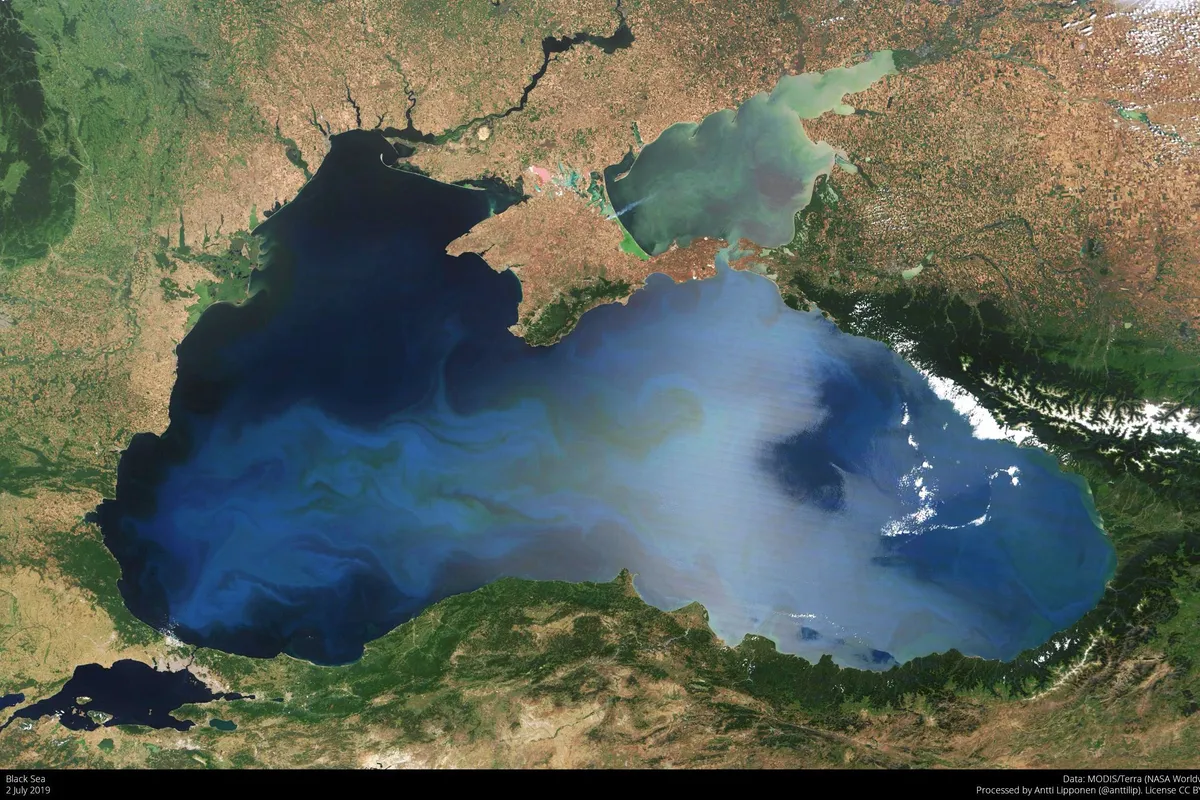
According to data from Aclede, an independent conflict monitor, drone strikes in July were three times more frequent than in January. Russia's Ministry of Defence reported on Saturday that it had shot down 598 Ukrainian drones over 19 Russian regions, as well as over the Black and Azov Seas and the annexed Ukrainian peninsula of Crimea.
In a separate attack on Kharkiv, 10 people were killed, which Ukrainian President Volodymyr Zelensky called a "brutal act."