Russia fired a record 376 missiles at Ukraine in July
An AFP analysis shows a dramatic increase in missile attacks, while Russian forces simultaneously advance on multiple fronts in the Kharkiv region.
An AFP analysis shows a dramatic increase in missile attacks, while Russian forces simultaneously advance on multiple fronts in the Kharkiv region.
Russia fired a record number of missiles at Ukraine during July 2026, according to an analysis of data from the Ukrainian Air Force published by the AFP news agency on Saturday. The data shows that 376 missiles were launched, more than double the number in June.
At the same time, Russia also sent 4,956 long-range drones into Ukrainian territory, although this represents a 14 percent decrease compared to the previous month. Ukrainian forces manage to intercept the vast majority of drones, but they still rely critically on supplies from Western allies to counter missiles.
Many of the attacks in July were directed at the capital, Kyiv, which experienced some of the deadliest strikes since the start of the war. On the night of July 2, 2026, alone, at least 30 people were killed in an attack. Escalations continued into August. On Saturday, August 1, 2026, Russian missiles struck Kyiv again, killing at least nine people, according to local officials.
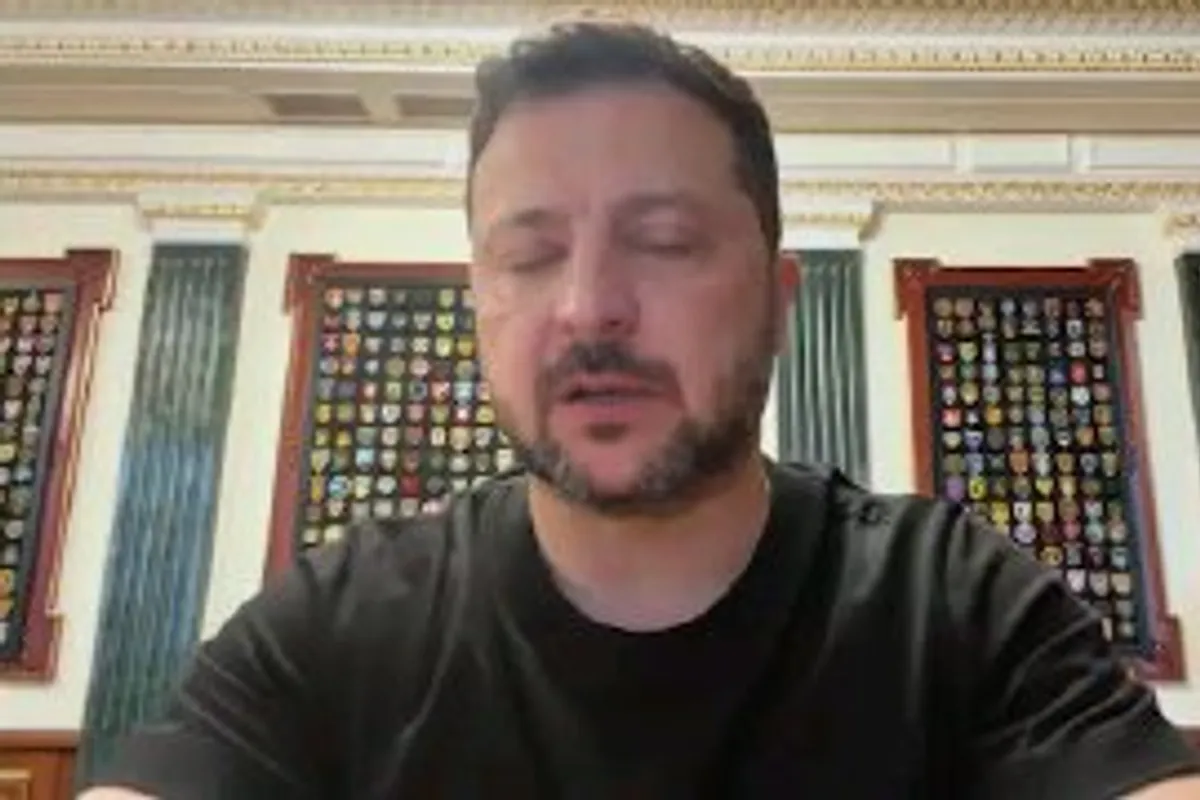
Ukrainian President Volodymyr Zelensky has warned that Ukraine faces a critical shortage of air defense, especially against Russia's increasing use of ballistic missiles. These ultra-fast missiles travel on a high arc before striking their target and are extremely difficult to stop. They often hit with only a few minutes' warning, if sirens sound at all.
According to estimates by military analysts, Russia launched between 200 and 300 ballistic missiles in all of 2024. In July 2026, that number reached 126 in a single month. According to the AFP analysis of official data, Ukraine managed to shoot down fewer than a third of these missiles.
To secure much-needed protection, Zelensky traveled to the White House in late July to request the delivery of American Patriot interceptors, one of the few reliable means of shooting down Russian ballistic missiles. Former U.S. President Trump initially said he would allow Ukraine to produce these interceptors, but on Friday, July 31, he expressed reservations about the plan, saying Washington must be "very careful" about the decision, as reported by The Straits Times.
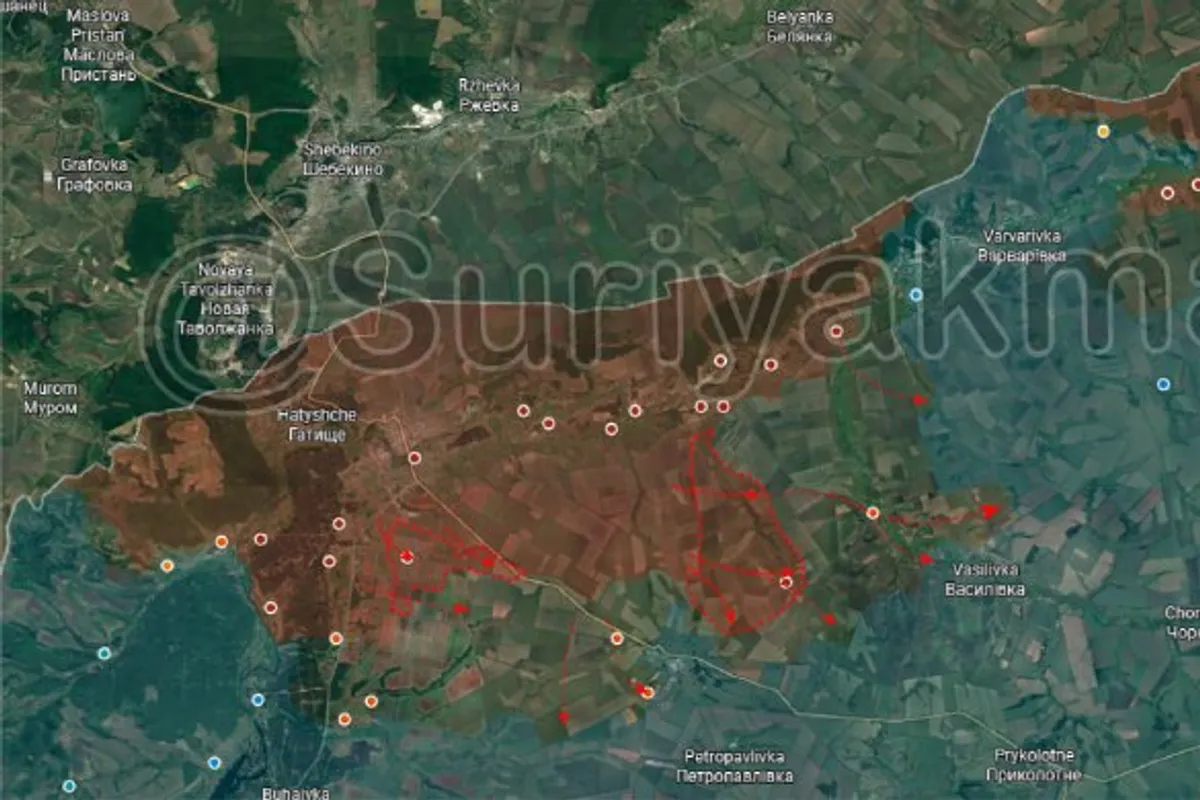
While the missile war rages in the sky, Russian forces are also making progress on the ground in the Kharkiv region. According to reports from the Telegram channel Geroman, over the past six weeks, the Russian military has turned the tide on the Boriv front, recapturing the settlements of Borivska Andriivka and Zahryzove and entering Novoplatonivka. This has put Ukrainian forces in Nova Kruhlyakivka and Bohuslavka under immense pressure, facing semi-encirclement.
On the Volchansk and Vilkhuvatka fronts, after two months of fighting, Russian forces took control of the settlement of Vilcha last week and continued advancing toward the Zemlyanyi Yar farms. Meanwhile, the encirclement of Ukrainian forces in the Bilyi Kolodyaz area continues with advances toward Yurchenkove and Ukrainske. To the east, the settlement of Volokhivske was captured, and fighting has spread to Zakharivka, Ivanivka, Baksheivka, and Virivka. After taking Artilne, Russian forces continued to exploit their momentum, advancing westward, capturing Ivashchyne and entering Ustynivka.
Additional combat activity was reported in other areas. The "Vostok" group of forces announced the liberation of the settlement of Lyubitskoe. In the Kupiansk area, positional battles are ongoing, and a Russian forward position in the private sector of Kupiansk-Uzlovoi came under fire from Ukrainian forces. On the Dobropillya salient, fighting continues around the settlements of Rubezhnoe, Stepi, and Novonikolaevka, where the gray zone has expanded, and battles are also underway for Novogrigorovka.