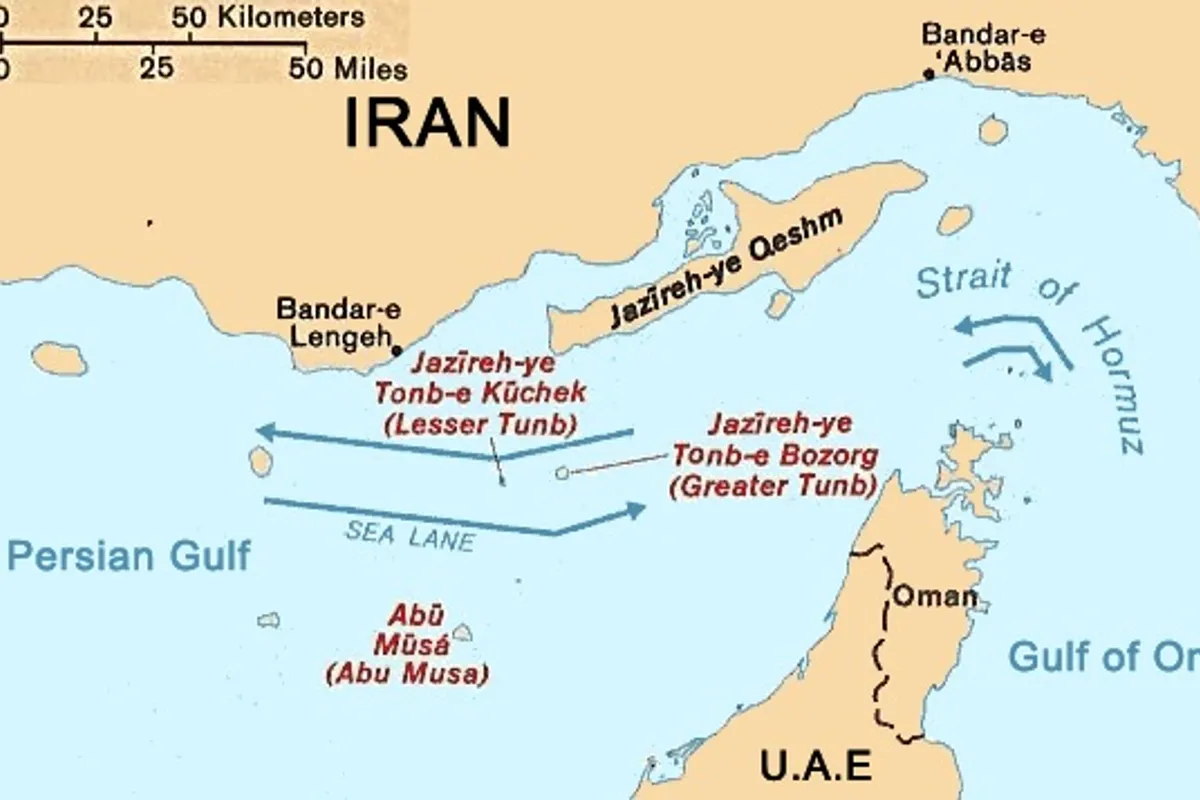
The US military has organized a covert transport of millions of barrels of oil through the Strait of Hormuz without any coordination with Iranian authorities, Axios reported on Tuesday, citing sources. The operation is underway while relations between Washington and Tehran remain highly tense following the war that began in late February.
15 to 20 Tankers Pass Daily
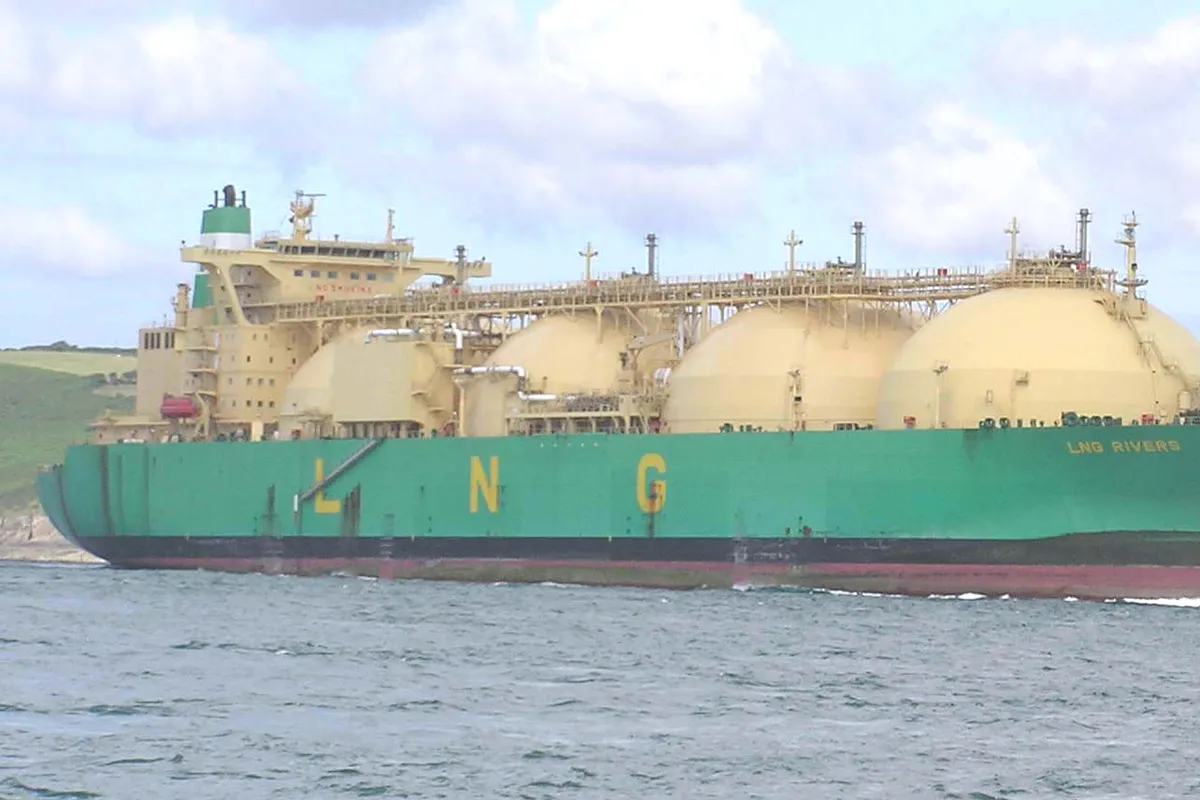
According to data reported by Axios, between 15 and 20 tankers pass through the southern channel of the Strait of Hormuz along the Omani coast every day. These ships successfully export about 10 million barrels of oil daily from the Middle East region, roughly half of the pre-war export level.
An unnamed source told Axios: "We have controlled the southern channel of the Strait of Hormuz for two months now. The Islamic Revolutionary Guard Corps can be a nuisance, but they do not control the strait. We do."
Coordination with Middle East Partners
A team of US military officials is coordinating the operation with Washington's partners in the Middle East. Each night, a daily list of ships planning to transit the Strait of Hormuz is compiled, and these vessels are escorted by US Air Force fighter jets while they load and unload oil and occasionally check in at control points.
War, Memorandum, and Continued Strikes
The United States and Israel launched a war against Iran on February 28, 2026. In June, Washington and Tehran, with Islamabad's mediation, signed a memorandum of understanding that called for an immediate cessation of hostilities on all fronts, including Lebanon.
However, in the early hours of July 8, the US resumed major strikes on Iran, accusing it of violating the terms of the agreements reached regarding the Strait of Hormuz. On August 2, Trump announced that the US and Iran would begin negotiations on a peace agreement.
According to TASS, the American leader wrote on his Truth Social page that he had agreed to cancel a planned massive strike on Iran to reach a deal with Tehran. According to him, Tehran and Arab countries had asked Washington to call off the attack because the parties had reached an agreement on the framework of a future accord.