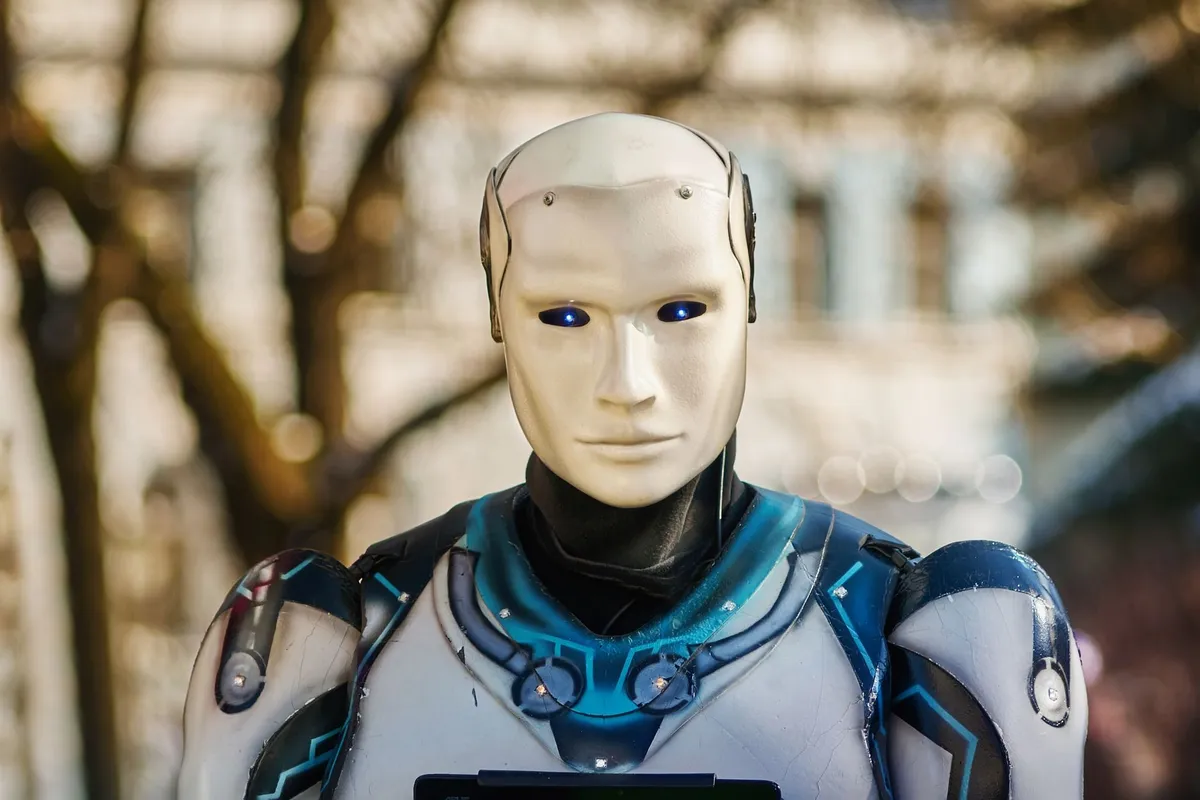
US Bans Import of New Chinese Humanoid Robots, Beijing Threatens Countermeasures
FCC decision part of broader US effort to reduce reliance on Chinese technology in AI and energy sectors, as pressure builds for 'kill switch' for runaway AI.
FCC decision part of broader US effort to reduce reliance on Chinese technology in AI and energy sectors, as pressure builds for 'kill switch' for runaway AI.
The United States on Tuesday imposed a ban on imports of new Chinese humanoid robots, robotic dogs, and power converters, the Federal Communications Commission (FCC) announced. According to Al Jazeera, the restrictions take effect immediately and apply only to models not yet approved for sale in the US.
The FCC stated that the mentioned devices could create supply chain vulnerabilities and threaten US economic and national security. "These devices could create supply chain vulnerabilities that could disrupt US economic and national security," the agency said in a statement reported by Al Jazeera.
The restrictions will particularly affect Chinese robotics company Unitree, which has collaborated with US chipmaker Nvidia on robots powered by its technology. The Pentagon recently added Unitree to a list of companies it claims have ties to the Chinese military, a claim Beijing has denied, according to Al Jazeera.
China's embassy in Washington sharply criticized the latest move and called on the US to stop targeting Chinese companies. "We urge the United States to listen to the objective and rational voices of business communities in both countries and stop slandering Chinese companies and threatening them with sanctions," the embassy said. They added that the Chinese government will take all necessary measures in response to any action that causes material damage to its interests.
The FCC measure applies not only to robots but also to new Chinese-made power converters. Huawei and Sungrow are among the leading Chinese suppliers in this sector, according to Al Jazeera. The restrictions do not affect products already approved for sale in the US, although the FCC can in some cases revoke those approvals.
The decision comes as President Donald Trump's administration encourages companies to expand advanced manufacturing in the US. Tesla, Figure AI, Agility Robotics, and Boston Dynamics are among the companies developing or assembling humanoid robots on US soil. Tesla, for instance, has announced plans to ramp up production of its Optimus robot, while Figure AI and Agility Robotics already operate US facilities for industrial robots.
Although the ban does not directly affect Croatia, it could be indirectly felt through European supply chains for solar equipment and robotics, where Chinese products have a significant share. Growing tensions between Washington and Beijing are already spilling over into advanced chips, artificial intelligence, and strategic technology chains, and similar measures could impact the availability of components in the EU market.
As the US tightens control over Chinese hardware, concern over the software side of artificial intelligence is also growing. As reported by CBC News, some US lawmakers are proposing legislation to ensure that companies and the government have a "kill switch" for AI models that manage to escape human control. This move is part of increasingly vocal calls for greater safety of advanced AI systems, suggesting that the issue of AI oversight will remain a hot topic in the months ahead.