Samobor Residents in Traditional Costumes Revive a Three-Century-Old Tradition
More than 90 people in Samobor folk costumes took part in the procession, with preparations for the 2027 pilgrimage already underway.
More than 90 people in Samobor folk costumes took part in the procession, with preparations for the 2027 pilgrimage already underway.
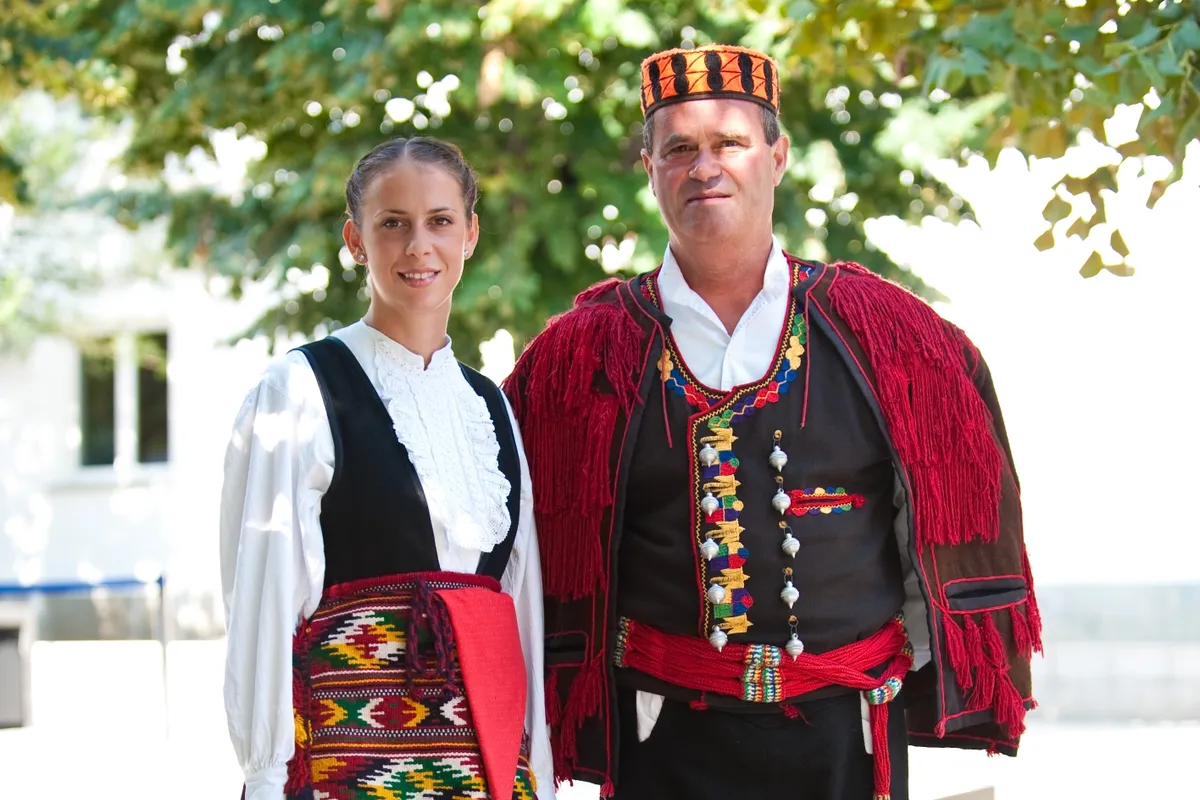
More than 90 residents of Samobor dressed in traditional folk costumes took part in this year's final procession, continuing a pilgrimage tradition that spans three centuries. The gathering was organized by the Society of St. Isidore the Farmer, part of the Ekosspiritus association, which has been working for years to preserve the rich heritage of this region.
Members of the Society gathered on August 5, 2026, after the holy Mass at the parish church of St. Anastasia. They were joined by ethnologist Nikolina, Mayor Petra, and other supporters of the program. Within a few days, the traditional procession was organized, filming for a documentary began, and an exhibition with a detailed catalog was set up in front of the Samobor Museum.
Special emphasis was placed on the Samobor folk costume. A significant number of costumes were loaned to pilgrims and children, and their return to the public sphere is one of the most visible results of the Society's years of work. The figure of more than 90 participants in costumes confirms that citizens' interest in this tradition is steadily growing.
The Society of St. Isidore the Farmer has a series of valuable projects related to the Samobor pilgrimage to Marija Bistrica. In 2022, the statue of Our Lady of Bistrica received a Samobor folk costume. A year later, in 2023, a stone statue of St. James was donated to the National Shrine, and in 2024, it received a crocheted altar cloth. The year 2025 was particularly significant: the book "Nas je otpravila..." by author Radovan Librić was published, the 300th anniversary of the Samobor pilgrimage was marked, and an exhibition dedicated to the pilgrimage in Marija Bistrica was organized.
"Tradition survives only as long as someone is willing to live it, not just mention it. When dozens of people reappear in the procession after three centuries, wearing the costumes of their ancestors, heritage ceases to be a museum piece and becomes part of a living city."
This year, the story gains a cinematic dimension with the filming of a documentary about the procession. In addition, folk costumes and Samobor wreaths are regularly made and restored. Preparations for the next major pilgrimage to Marija Bistrica, scheduled for 2027, will begin right after the summer.