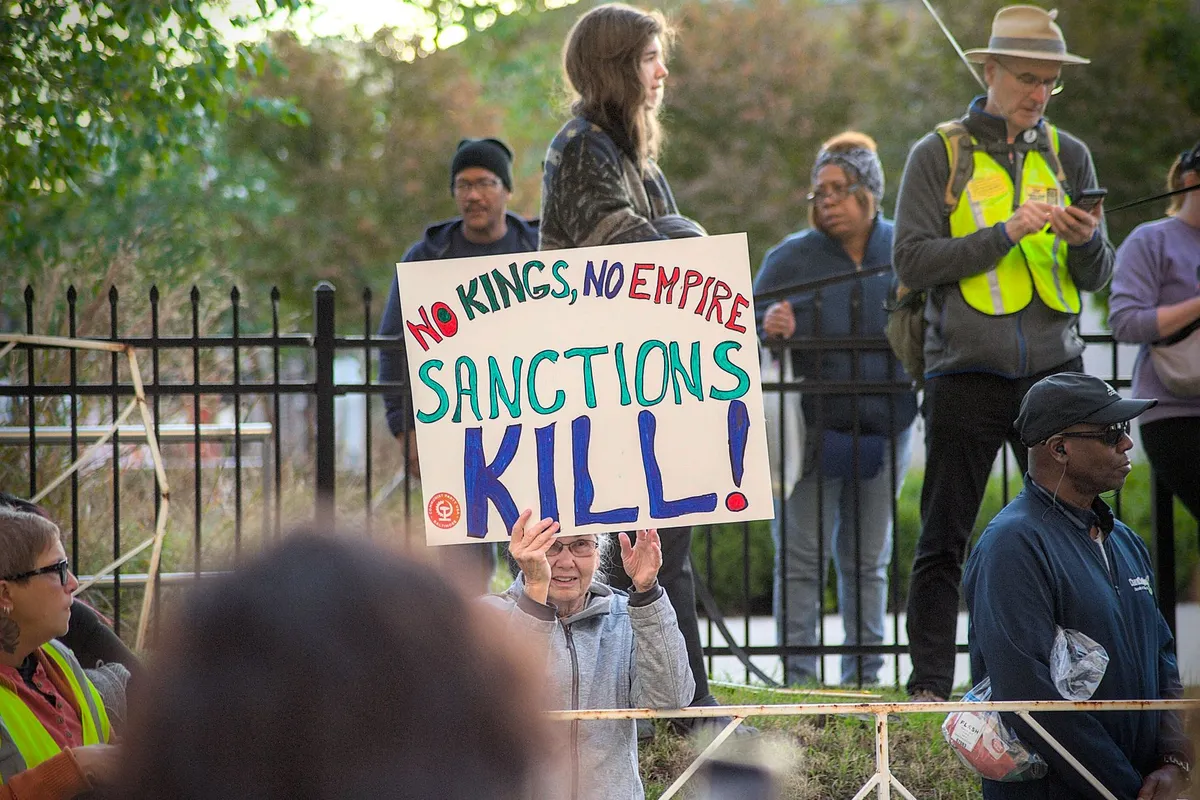
More than seven decades after the United States helped overthrow Iran's elected Prime Minister Mohammad Mosaddegh in 1953, the two countries are once again in conflict. U.S. President Donald Trump stated on Wednesday, August 19, 2026, that the U.S. is considering new sanctions against Iran, telling reporters at the White House: "We have things we could sanction. We have very draconian sanctions, and we'll see what happens."
From Ally to Enemy
After the 1953 coup, orchestrated by the CIA with British assistance, Shah Mohammed Reza Pahlavi was restored to power. Washington and Tehran were close allies for the next quarter-century, with the U.S. even helping Iran develop a civilian nuclear program. In 1957, a nuclear cooperation agreement was signed under Eisenhower's "Atoms for Peace" initiative, and a decade later, Washington supplied Iran with a nuclear reactor and uranium.
However, the Shah's increasingly authoritarian rule sparked massive protests in 1979. Supreme Leader Ruhollah Khomeini took power, and Iran transformed from a close ally into a primary adversary of the U.S. On November 4, 1979, Iranian students seized the U.S. Embassy and held 52 Americans hostage for 444 days, leading to severed diplomatic relations and sanctions.
Wars, Interventions, and Their Cost
The numbers speak for themselves. According to the Watson Institute for International and Public Affairs at Brown University, approximately 315,000 people were directly killed during the U.S. conflict in Iraq. In U.S.-led conflicts since 2001 in Afghanistan, Pakistan, Iraq, Syria, Yemen, and other areas, about 940,000 people have been killed. Including indirect deaths related to disease, hunger, and loss of healthcare, the estimate rises to 4.5 to 4.7 million.
The financial cost of U.S. interventions in the Middle East is estimated at $5.8 trillion, with an additional $2.2 trillion projected for veteran care over the next 30 years.
From Guatemala to Chile
Iran is not an isolated case. In 1954, the CIA helped overthrow Guatemala's elected president Jacobo Arbenz, leading to a civil war that lasted from 1960 to 1996. In Chile in 1973, a U.S.-backed military coup brought General Augusto Pinochet to power. In Brazil in 1964, a military coup removed President João Goulart, and similar interventions occurred in Ecuador and Bolivia.
A New War with Iran
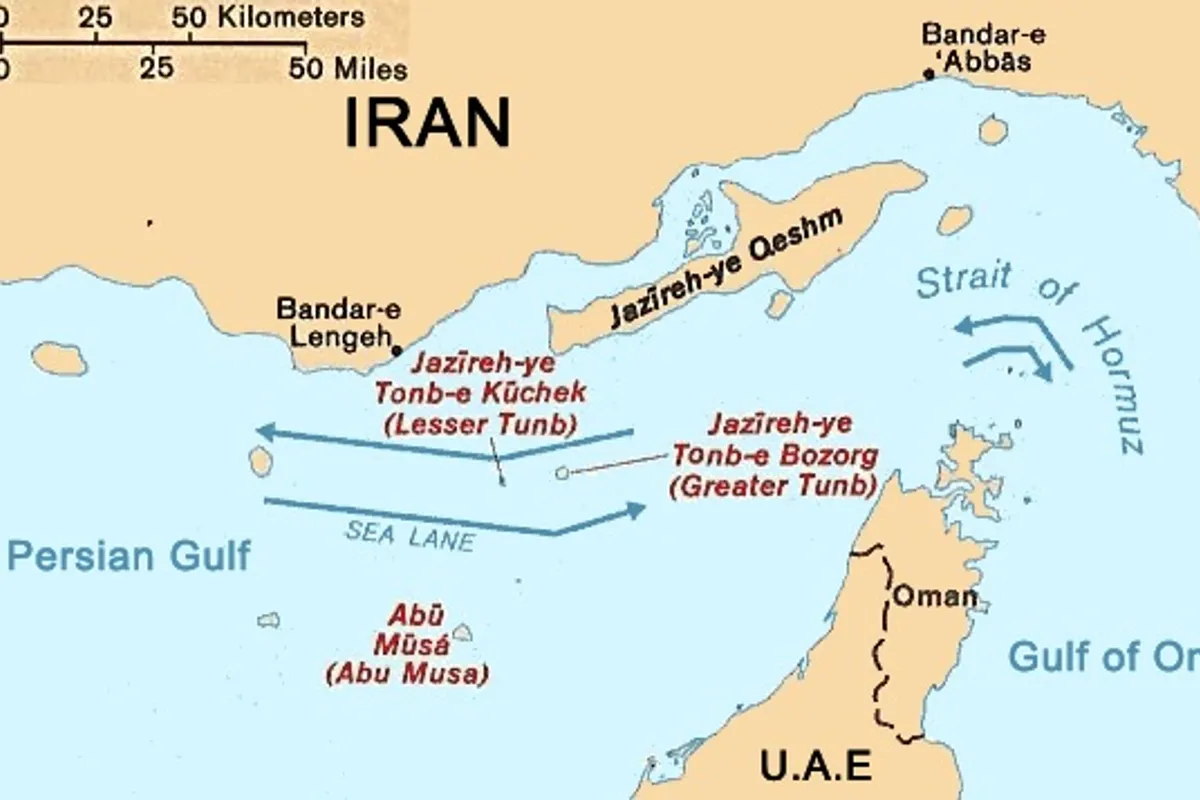
The war between the U.S. and Israel against Iran began on February 28, 2026, when strikes were launched on Iran. The initial strikes killed Supreme Leader Ali Khamenei and several senior officials, with his son Mojtaba Khamenei succeeding him. Hezbollah began firing rockets at northern Israel in retaliation for the killing of the Supreme Leader, and Israel occupied about a fifth of Lebanon. More than a million people have been displaced in Lebanon.
Trump has denied ever attempting regime change in Iran, saying in June: "I never cared about regime change. I've watched regime changes for years; they never work." Yet, on the day the war began, February 28, he told the Iranian people: "When we're done, take over your government. It will be yours for the taking."
In 2018, Trump withdrew the U.S. from the 2015 JCPOA nuclear deal, and Iran subsequently began enriching uranium beyond limits, building an estimated stockpile of 440 kg of highly enriched uranium. Negotiations in Oman collapsed after Israeli strikes, and the U.S. struck three nuclear facilities.