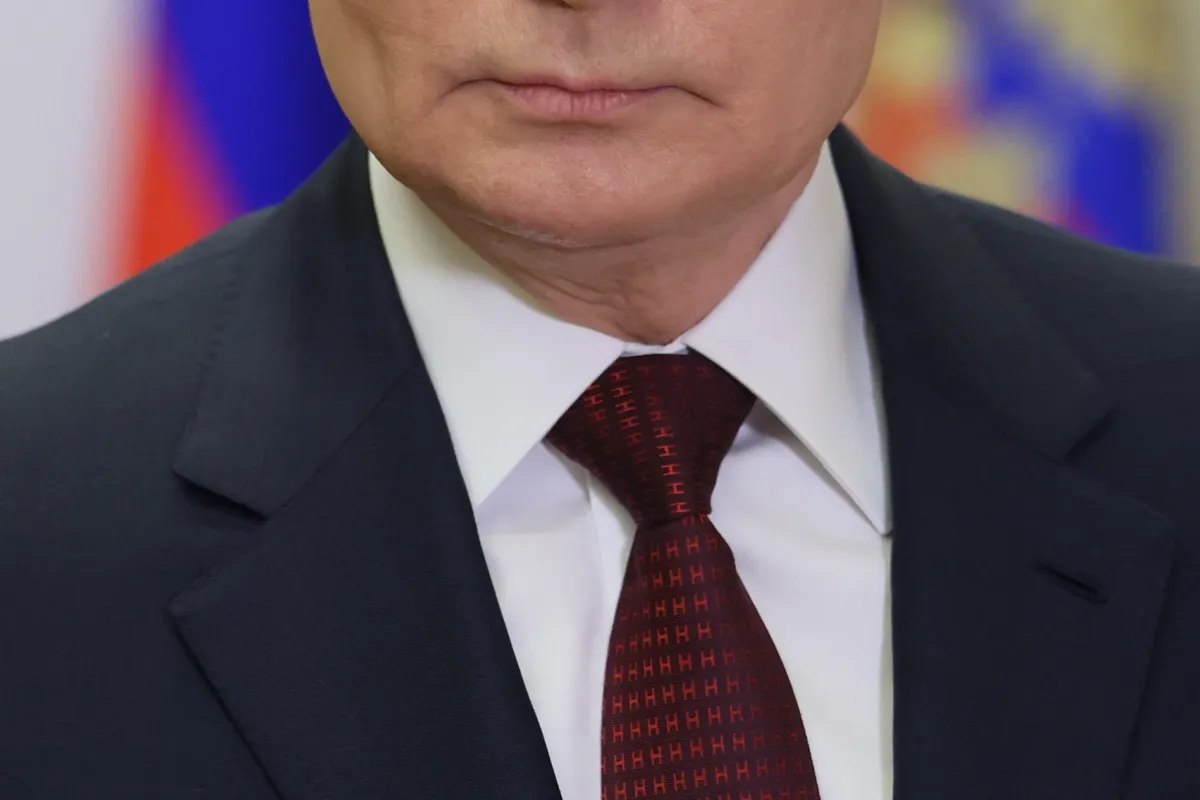
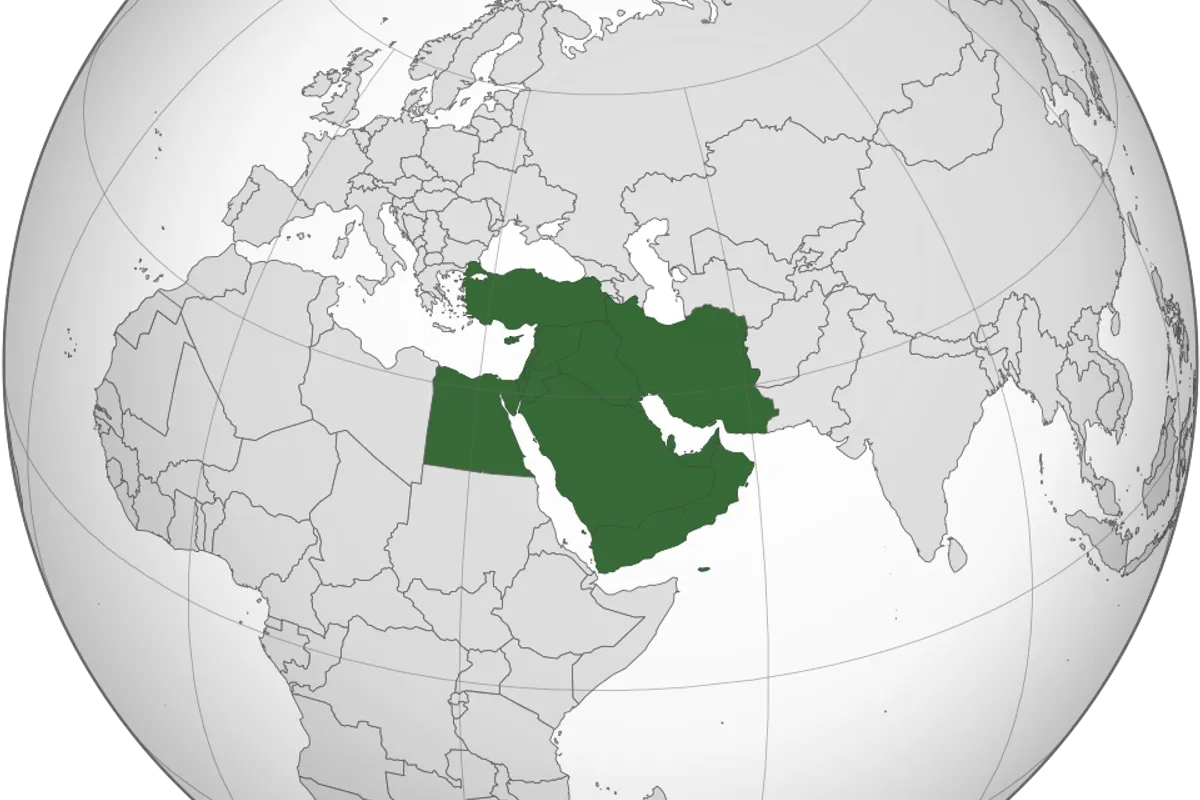
In recent weeks, the Kremlin has received a series of diplomatic blows that expose how much the war in Ukraine has eroded Moscow's global influence. From the Middle East to the Balkans and Central Asia, allies and partners are sending signals that cannot be ignored, and President Vladimir Putin faces a cold shower on the 27th anniversary of his appointment as prime minister in 1999.
Syria Dims Russia's Stronghold
The heaviest blow came from Syria, where the new authorities announced that Moscow will retain only limited influence over the Hmeimim air base and the Tartus naval base. These military facilities, the only official Russian bases outside the former Soviet Union, will be converted into centers for "joint training," with civilian facilities handed over to Damascus.
The change came after the overthrow of Bashar al-Assad in 2024, a key Kremlin ally who was replaced by Ahmed al-Shara, commander of the rebel forces. Although the Russian military supported Assad for nine years, Putin ordered a withdrawal as rebels advanced on the capital. Details of the new agreement have not been made public, and the Kremlin has not yet commented.
Experts assess that this is a systematic push-out. "The new authorities in Syria are slowly pushing Russia out of the country... It is clear that at some point they want to get rid of the Russian presence. The Syrian authorities are acting pragmatically, and I would even say quite skillfully, so as not to harm relations with Russia during the transitional, still unstable period," said Nikita Smagin, an expert on Iranian affairs and Russian policy in the Middle East.
Outrage Among Russian Hardliners
The restriction of rights in Syria has sparked anger among Russian nationalists. Former Wagner lawyer Igor Yeliseyev reacted sharply: "We spent enormous resources and destroyed the lives of our officers, soldiers, and Wagner fighters to establish a Russian foothold in the region, and now we will ask those bearded fighters and their Turkish helpers for permission to be present in our own bases?"
Russia used the Syrian bases to supply the African Corps, the Kremlin-controlled successor to the Wagner Group, in Libya, Mali, the Central African Republic, and other parts of the continent. Hanna Notte, an expert on Russian foreign policy and the Middle East, believes that the chances of military use of the bases in the future have diminished, but warns: "There is great Russian concern about the extent to which Sharia can actually maintain power and stabilize Syria." According to her, Moscow may be calculating and waiting for its moment in five or ten years.
Zelensky in Belgrade: A 'Slap in the Face' to Putin
The second blow came from Serbia, one of the few European countries that has not imposed sanctions on Moscow. Belgrade hosted Ukrainian President Volodymyr Zelensky a few days ago in his first visit since the 2022 invasion. A Ukrainian official described the talks as a "slap in the face" to Putin and part of efforts to "separate Serbs" from the Kremlin.
Meanwhile, Moscow watched helplessly as other allies collapsed. U.S. special forces captured Nicolás Maduro, the pro-Russian leader of Venezuela. Hungarian Prime Minister Viktor Orbán, whose government was considered the Kremlin's "Trojan horse" in the European Union, was also defeated in elections. Russia has also lost influence in the South Caucasus, where Armenia and Azerbaijan are drifting away from its sphere.
Kazakh President to Putin's Face: 'It's a Shame That Young People Are Dying'
The third slap came from Kazakh President Kassym-Jomart Tokayev, who directly told Putin during a conversation in the Siberian city of Omsk that it was time to end the war. "It's a shame that young people are dying," Tokayev said, and witnesses noted Putin's discomfort as he listened to the appeal.
Kazakhstan gained independence from the Soviet Union in 1991 but has maintained close ties with Moscow. In early 2022, weeks before the invasion of Ukraine, Putin sent troops to Almaty to help quell unrest. After Tokayev's comments, the Kremlin said the Kazakh leader does not understand the "root causes" of the war.
Turning to Pyongyang and Unyielding Determination
Facing a loss of influence on multiple fronts, Putin is increasingly relying on North Korea. Ukrainian President Zelensky claimed on social media over the weekend: "A decision has been made to deploy 30,000 to 50,000 North Koreans on Russian territory."
Hanna Notte warns that pressure on Moscow from other parts of the world will not soften the Kremlin, but rather the opposite: "If you've thrown everything into this war and subordinated other foreign policy files to it, and even accepted the fact that you're losing influence in other parts of the world, all for the effort to subjugate Ukraine, then it's logical that Putin wants to come out as the winner." In her view, this could lead to a hardening of Russia's stance and a willingness to escalate further.