Shadow of Former Inspector Looms Over Inspectorate
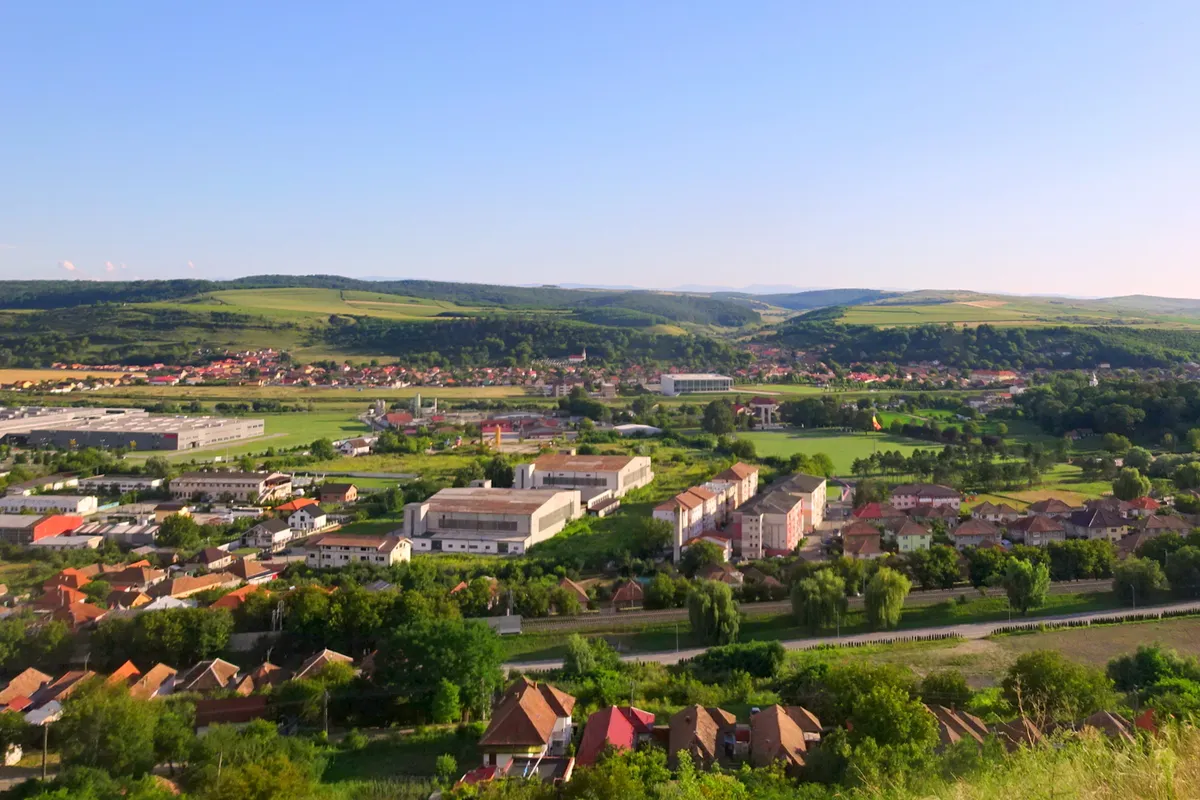
MP raises issue of international illegal waste chain and institutional responsibility ahead of Environment Committee session in Gospić.
MP raises issue of international illegal waste chain and institutional responsibility ahead of Environment Committee session in Gospić.
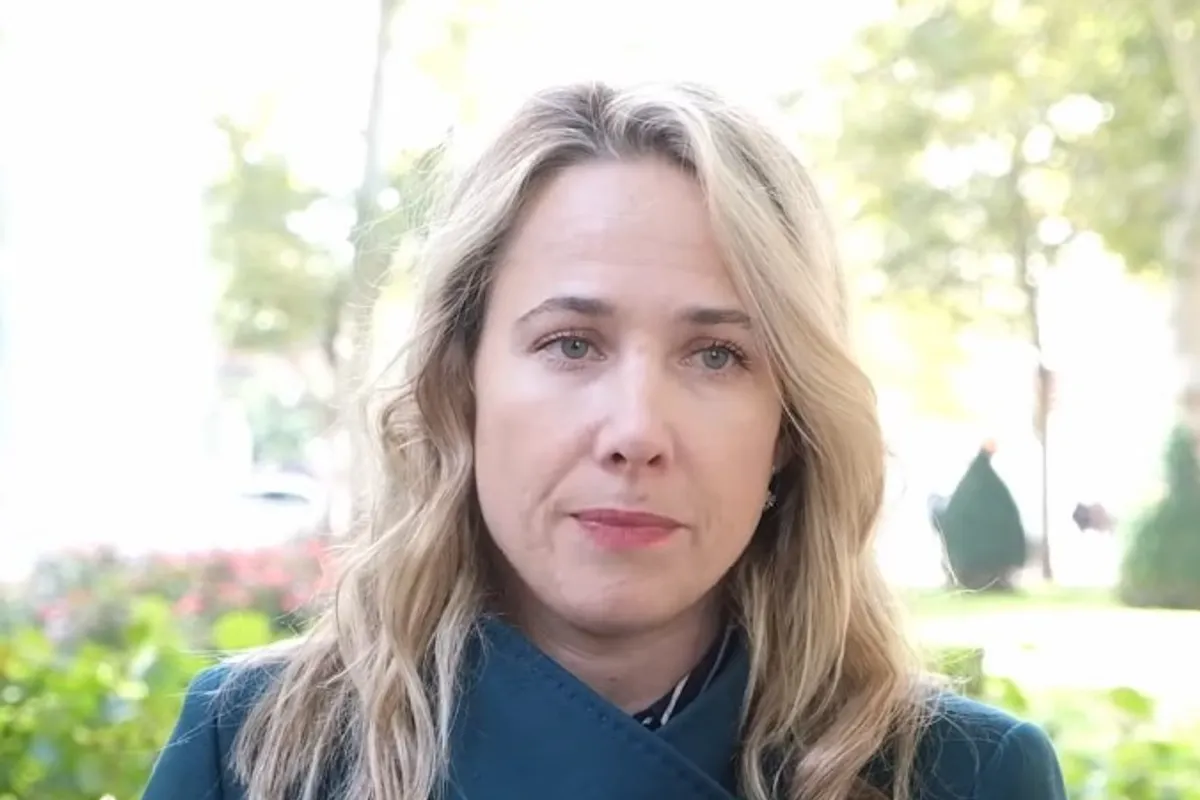
Marija Selak Raspudić, an MP and member of the Parliament's Environment Committee, voiced a series of serious allegations related to the illegal waste dumping affair in Lika ahead of today's committee session in Gospić. Speaking on N1 television, she stated that this story can no longer be viewed merely as a local case but as a potential international scandal involving an entire chain of participants.
Selak Raspudić emphasized that the public expects concrete actions, not empty promises. "What we all seek and what is most important is to see a concrete remediation plan with a clear deadline, not abstract promises. I personally also expect a legal breakthrough, namely that ecocide becomes the most severe criminal offense against the environment," she said.
She also recalled a previous attempt to introduce such a legal provision. "When I first proposed this law, there was not enough understanding, although there was no rational explanation. We could have been pioneers across Europe and protected our environment in the best possible way, but it was rejected at the time. The law is now in procedure, and we have a unique opportunity to send a clear political message that we will no longer tolerate anyone threatening what is most valuable to us," she stated.
She particularly warned about the lack of control over the movement of hazardous waste. "The major failure here is the absence of systematic tracking of hazardous waste, and what is just beginning to be uncovered is how this waste arrived in Croatia," she said.
She also raised the question of responsibility of companies from other countries that sent waste to Croatia. "There is also the question of companies that sent this waste to Croatia, how they established cooperation with institutions in their own countries, and whether they knew to whom they were handing over the waste," she noted.
She went a step further, suggesting that foreign institutions were also part of the entire chain. "This is an illegal chain in which everyone turned a blind eye, including, I believe, formal institutions in other countries, because they should know which member states lack the capacity to dispose of such waste. Clearly, they turned a blind eye, and this is, at the very least, a semi-legal way of circumventing procedures," she asserted.
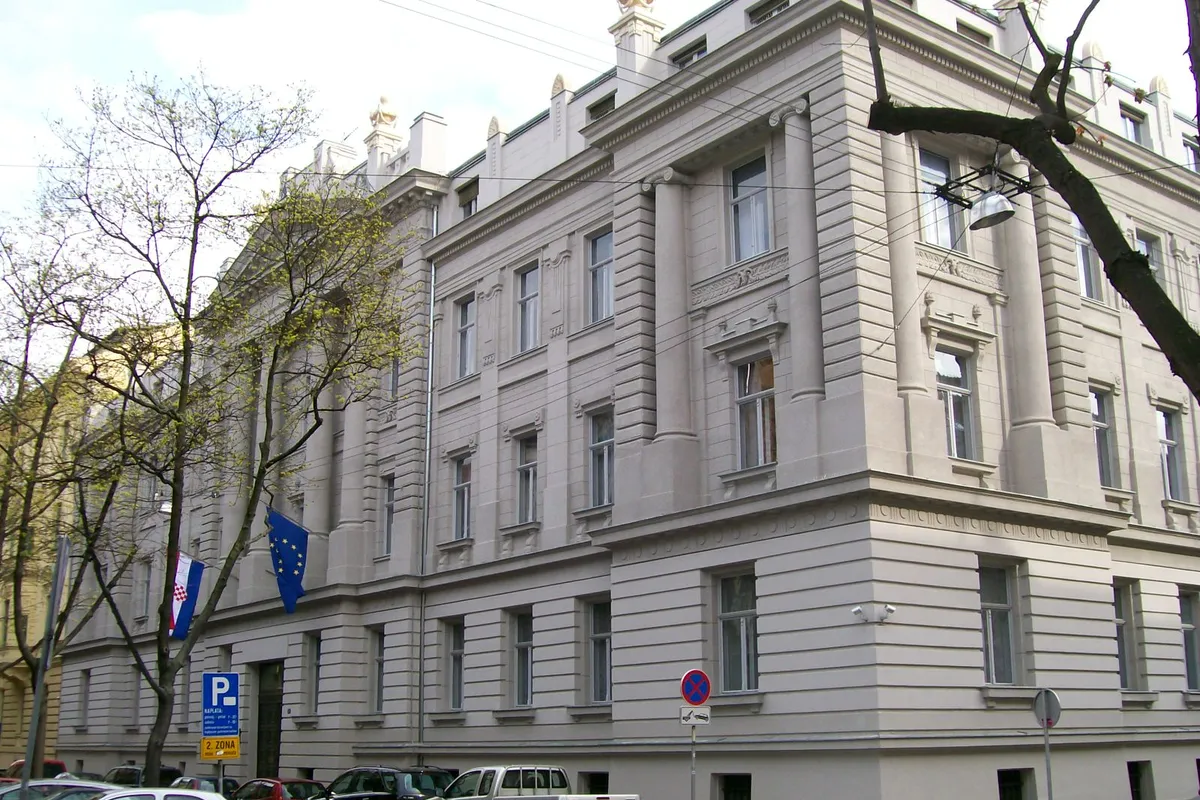
Selak Raspudić also touched on the situation in the State Inspectorate and the legacy of former Chief State Inspector Andrija Mikulić. "Perhaps the eternal inspector, his shadow still looms over the Inspectorate, given that we still have no head, which might indicate that this is not an institution managed purely politically. That position is a state within a state," she said.
She also commented on the release of the report by the State Attorney's Office (DORH), which she considers a turning point in the entire affair. "What was a turning point, but not immediately, rather with hesitation, was the DORH report. The question remains open as to why they ultimately decided to release it to the public," she concluded.
Today's session of the Environment Committee in Gospić is expected to provide answers on remediation deadlines, institutional responsibility, and to determine whether Lika was merely the last stop in a much broader international system.