The summer months bring a dramatic surge in the number of interventions at the emergency medical unit in Skradin-up to 30 to 40 percent more calls and outpatient visits daily than in winter. HRT reporter Anamarija Škorić captured the seasonal pressure that accompanies the sudden influx of tourists on the ground. Data from the Šibenik-Knin County Institute of Emergency Medicine leaves no doubt: the frontline of medicine operates under multiple strains in summer. It is precisely under such conditions that specialized medical technicians take on a crucial role.
Medications in the Hands of Technicians
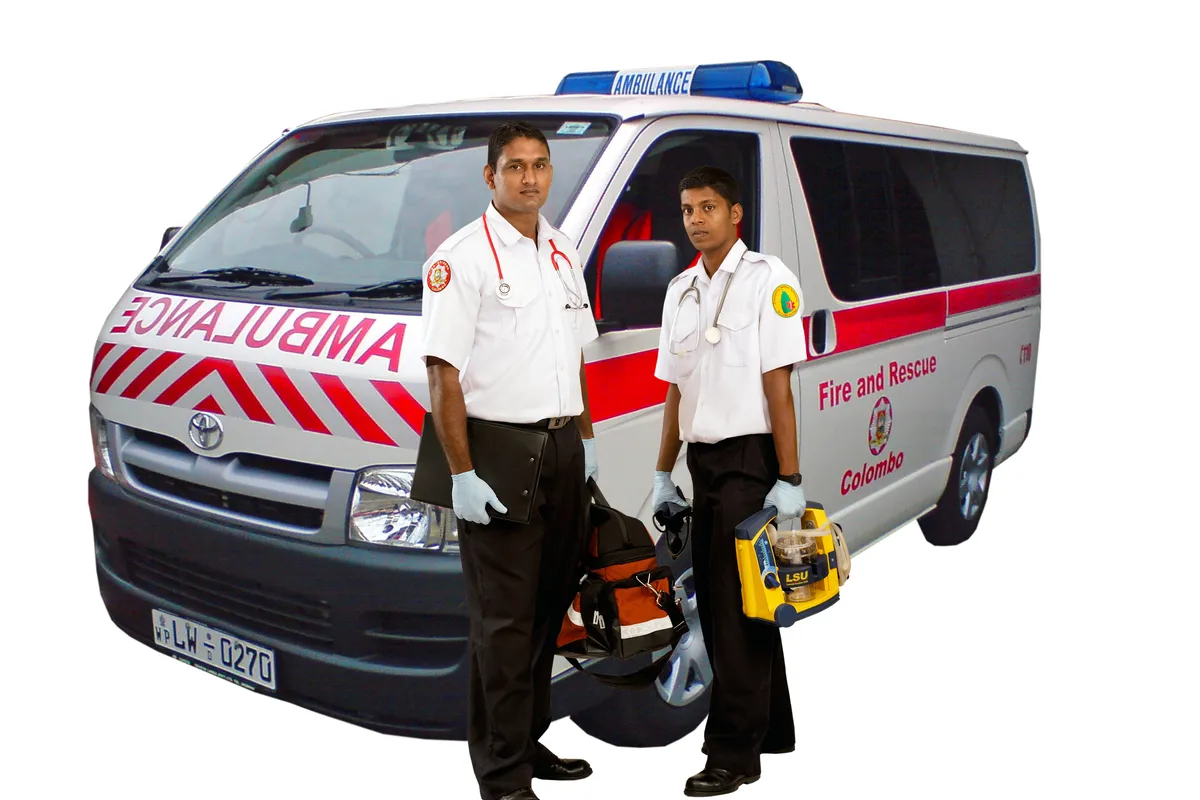
The workday begins with routine-checking the equipment in the vehicle and the set of life-saving medications-long before the first siren sounds. Specialist emergency medical technicians have gained their authority through intensive one-year training, and that is what sets them apart. "We have the authority, according to certain protocols, to administer them in emergencies without a doctor," Luka Muštra, a medical technician from the Šibenik-Knin County Institute of Emergency Medicine, told HRT.
Their competencies, however, have a clear limit. The daily challenge is not what they can do, but what they are called for. "Problems arise only when the emergency service is called for non-urgent matters, where our hands are tied, because we are only authorized to manage life-threatening conditions without a doctor," Muštra warns. On the field, they carry full responsibility-they head out while the caller is still on the line with the dispatcher.
From Krka to the Highway, with a Staff Shortage
The Skradin unit does not cover just the town. Its area extends along the Krka River, the hinterland up to Kistanje, and a stretch of the highway-a vast area that summer traffic turns into a logistical challenge. Meanwhile, the service has been battling chronic staff shortages for years.
Martin Ercegovac, head technician at the Šibenik-Knin County Institute of Emergency Medicine, sees technicians with expanded competencies as the key to stability. "We struggle every year with a lack of staff, and this greatly helps with organizing the service and its functioning, as well as the quality of overall care," he stated for HRT.
393 Technicians with Additional Authority
The answer to the staffing crisis came four years ago when the Croatian Institute of Emergency Medicine became the first healthcare institution to introduce specializations in nursing. The program has so far produced a network of 393 technicians with additional authority for the most severe situations.
The director of the Croatian Institute of Emergency Medicine, Dr. Maja Grba-Bujević, expects this trend to continue. "We believe that county institutes will recognize the need for this, that they will approach the Ministry of Health to request more such technicians in the field," she said.
The Hand That Arrives First
Despite education and experience, specialist technicians constantly encounter deeply rooted patient expectations-the belief that only a doctor can provide help. "People always think-a doctor must come, the doctor is coming. But they don't see the background, that they almost always get an experienced nurse who comes alongside the doctor," one of them concluded for HRT. In the race against time, it is often the knowledge and speed of the person who first extends a helping hand that makes the only difference between life and death.