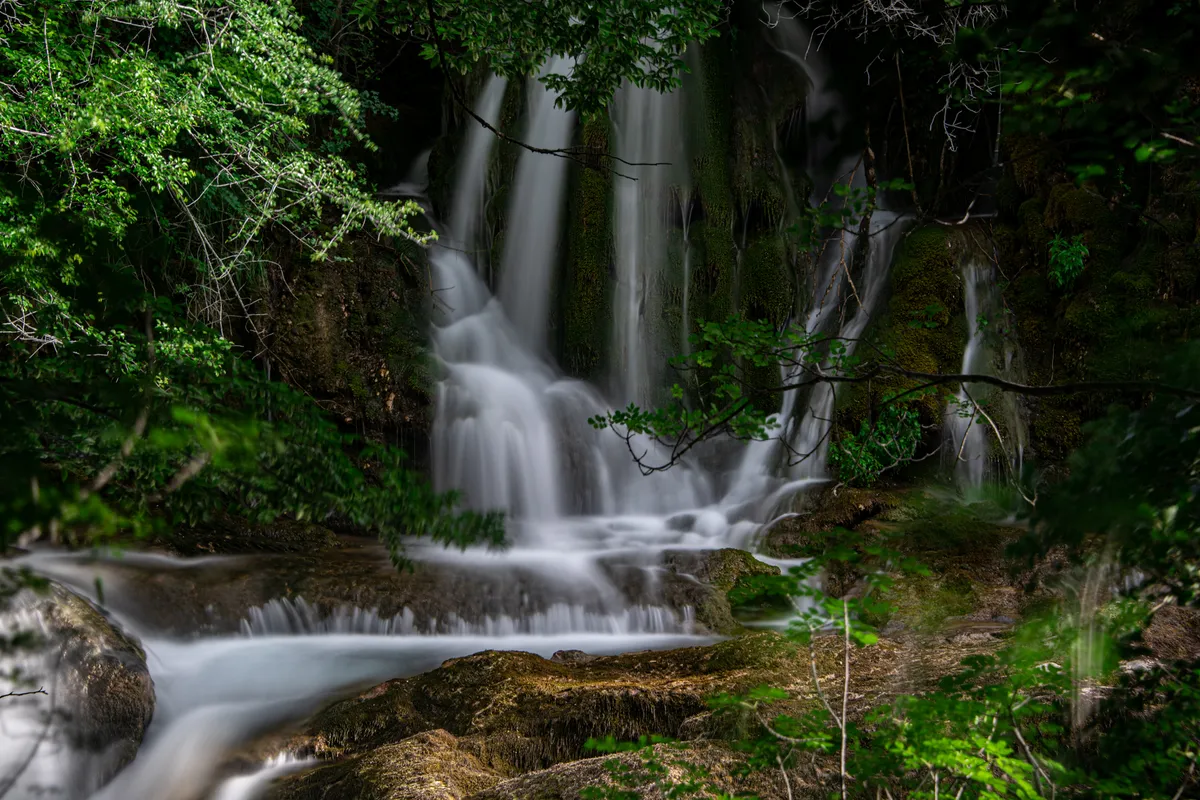
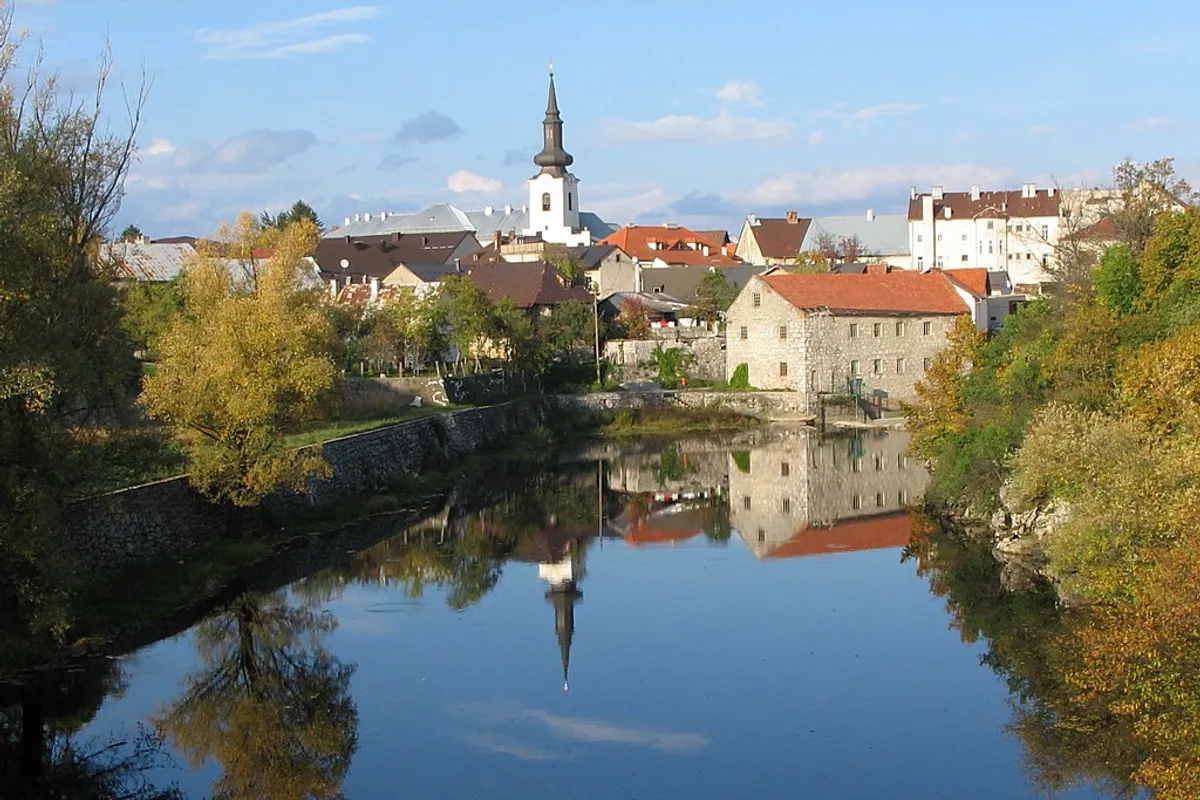
The Krčić waterfall near Knin has once again run dry. Instead of the massive volume of water that, during the wetter part of the year, thunders down the rock face, what remains is a dry riverbed, tufa deposits, and rocks stripped of their recognizable watery veil.
While the sight may seem alarming, especially to those who know Krčić only from its spectacular springtime displays, the drying up of this waterfall is a common and regular occurrence. Krčić is an intermittent karst watercourse, and its springs dry up every year, leaving the riverbed without water during the summer until the more abundant autumn rains arrive.
Dries Up Almost Every Year
Krčić typically dries up once a year, during the summer dry period, though the exact timing varies from year to year. This depends on the amount of winter and spring precipitation, temperature, evaporation, and the state of groundwater. Usually, a significant reduction in flow and complete drying occur roughly from July to September, and in very dry years, the period without surface flow can extend deep into autumn.
That this is a known pattern is evidenced by the fact that drying has been recorded in previous summers, for example in August 2023 and mid-July 2024. It would be far more unusual for Krčić to maintain a strong surface flow throughout the entire dry summer.
Where Does All That Water Go?
The answer lies beneath the surface. The entire area is part of the Dinaric Karst, which is composed of highly permeable limestone and dolomite rocks. Water quickly seeps through cracks, sinkholes, and underground channels into the depths, and the boundaries of underground catchments are far more complex than what is visible on the surface.
During autumn, winter, and spring, precipitation and snowmelt from Dinara recharge the underground system. When late spring and summer arrive, precipitation decreases, temperatures rise, evaporation intensifies, groundwater levels drop, and more water remains hidden in the karst underground. The primary reason for the drying is the natural hydrological rhythm of Krčić and its karst underground, while high temperatures and prolonged drought can accelerate and prolong the drying.
A Waterfall That Is Spectacular Even When It Disappears
Krčić is one of the most recognizable natural symbols of the Knin region. The river of the same name is about ten kilometers long, rises at the foot of Dinara, and flows through an impressive karst canyon. At the end of its course, the water plunges about 22 meters over a tufa barrier, and the waterfall is also known as Topoljski buk and Veliki buk.
At its very base lies the main source of the Krka River, making it a fascinating spot where the end of one surface watercourse almost touches the beginning of another. When it dries up, the tufa deposits, rocks, and the structure of the waterfall itself are exposed, while the area of the Krka spring becomes more clearly visible below. This extreme variability is part of Krčić's identity: nearly dry today, it can once again become roaring and powerful after the first serious autumn rains.