Slavonian Fruit Growers in Despair Uproot Their Own Orchards
While Croatia imports fruit and vegetables worth 600 million euros, domestic producers face unprofitable production and pressure from cheap imports.
While Croatia imports fruit and vegetables worth 600 million euros, domestic producers face unprofitable production and pressure from cheap imports.
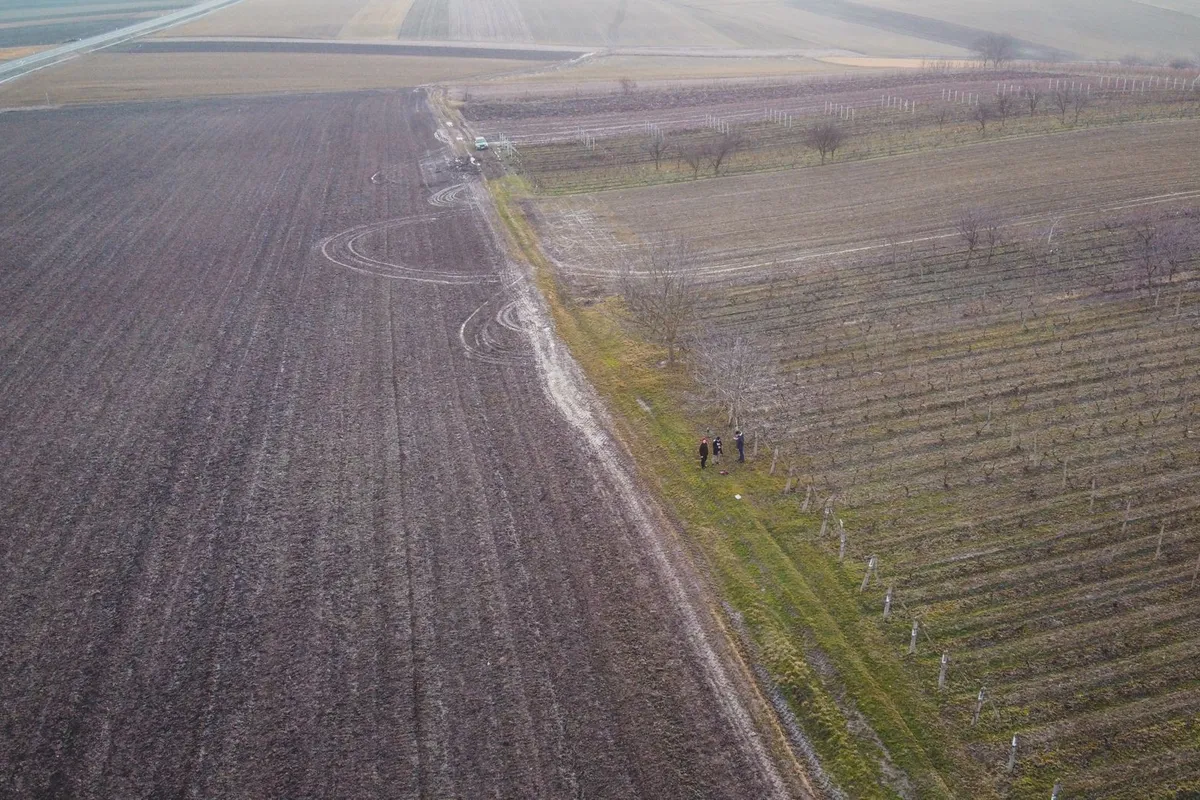
Domagoj Škobić, a fruit grower from Aljmaš, has made a difficult decision these days, instead of harvesting, machinery has moved in to uproot his orchard of five thousand apricot trees. The reason is simple and brutal: production is no longer profitable. Although this year's yield was excellent, cheap imported fruit and pressure from retail chains leave no room for profit for domestic producers.
"We have a very large quantity in storage and we simply can't keep up. Everything just eats itself up," Škobić told HRT. His case is just one in a series of dramatic examples of the decline of Slavonian orchards in a year when Croatia imported fruit and vegetables worth as much as 600 million euros.
Škobić emphasizes that the cause is not overproduction. "This isn't about some kind of overproduction, but rather a lack of understanding from importers and retail chains for the small portion of domestic production that we have," he adds. Croatia, in fact, produces only about ten percent of the apricots it needs, but the key problem lies in the production methods.
Stjepan Zorić, a representative of the Croatian Fruit Growers' Association, points out that irrigation is a fundamental condition for competitiveness. "We cannot be competitive in any fruit production if we don't have proper irrigation and everything that our competitors have," Zorić warns. In addition to irrigation, competitor countries also use protective nets and frost protection systems, which domestic producers often lack.
Zorić also highlights the difference in consumer habits. "As a rule, it's always a fight for profit, and we understand that. However, that's not everything; in some countries, there's also local patriotism, so there's a preference for buying domestic products," he said for HRT.
A similar crisis is affecting plum producers in Baranja. On six hectares of the Veterans' Social-Work Cooperative in Darda, the plums bore well, but marketing the fresh fruit has become almost impossible. While they manage to sell industrial plums to Podravka with some profit, the situation with fresh plums is critical.
Renato Kovač, the president of the cooperative, openly criticizes retail chains. "They blackmail us and push prices down. When I hear there's going to be a weekend promotion, I get a headache because I know the price has dropped and we no longer have a chance," Kovač says. According to him, the math is unsustainable. "We're left with less than twenty cents per kilogram, so let others judge whether that's profitable. We've stopped harvesting and we're not delivering at that price," he states.
Experts warn that such scenes will become more frequent if producers don't invest in modernizing their orchards. However, to do so, they need more affordable capital, which is currently unavailable. Without significant investments in irrigation and protection systems, Croatian fruit growing will struggle to survive in a market flooded with cheaper imported products.