Death in Croatia: The Taboo Topic That Is Crippling the Palliative Care System
Croatia records an above-average suicide rate and minimal access to palliative care, while public debate on dying with dignity is virtually nonexistent.
Croatia records an above-average suicide rate and minimal access to palliative care, while public debate on dying with dignity is virtually nonexistent.
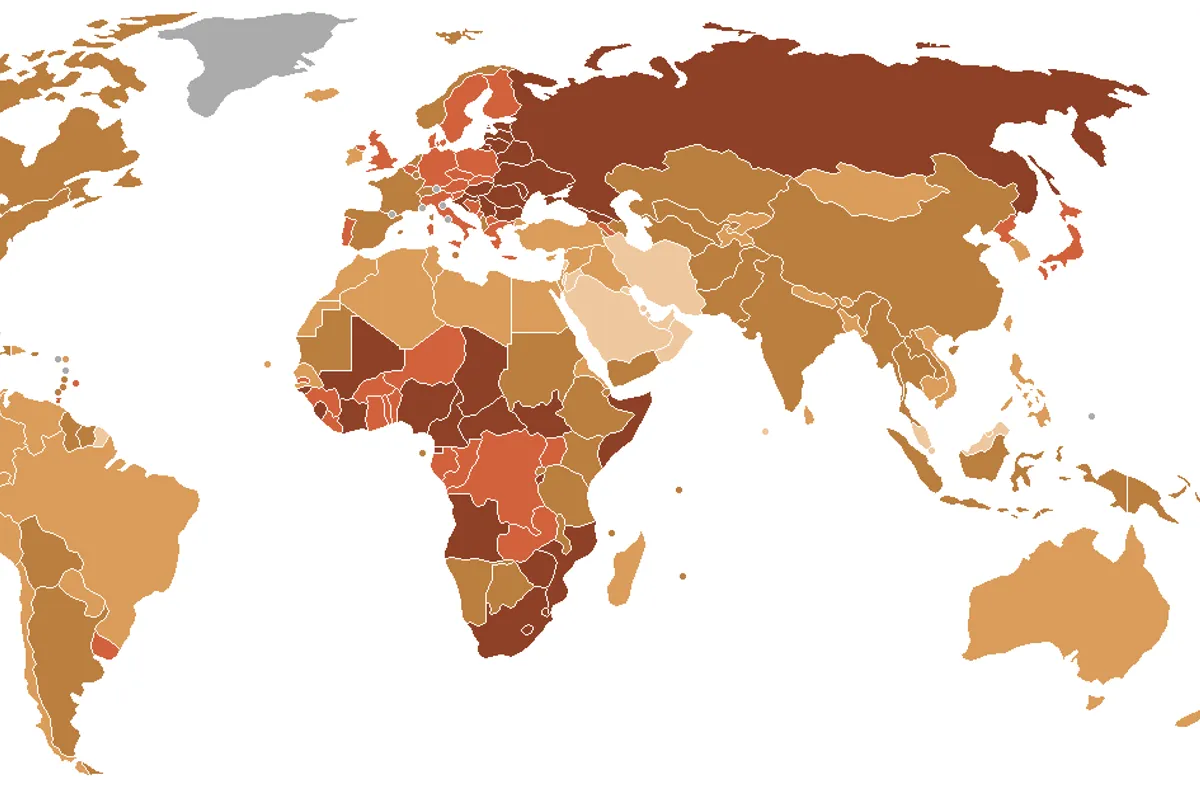
In 2023, Croatia recorded 52,191 deaths, with cardiovascular disease remaining the leading cause at 45 percent, followed by malignant diseases at 25 percent and respiratory illnesses, according to data from the Croatian Institute of Public Health. Despite an average life expectancy of 79.5 years, above the European Union average, the country's care system for dying patients continues to lag behind, and public conversation about death itself is almost entirely absent.
One of the most pressing failures of the Croatian healthcare system is the chronic shortage of palliative care. Experts warn that such care is available to only 14 percent of those who require it. The Croatian Ministry of Health and the Croatian Society for Palliative Medicine have long called for systematic investment in this field, yet meaningful progress remains slow. An ageing population is compounding the problem, by 2050, an estimated 30 percent of Croatia's population will be over 65, meaning demand for palliative care will only continue to grow.
Croatia also records a suicide mortality rate above the European Union average, which experts partly attribute to inadequate mental health care and the broader social taboo surrounding difficult life experiences. Epidemiologists warn that the avoidance of open conversations about pain, dying, and loss contributes to people in crisis not feeling free to seek help. On a global scale, according to World Health Organization data, approximately 56 million people die each year, with 71 percent of deaths caused by chronic illness, underscoring that organized care for chronically ill and dying patients is a critical public health challenge.
Experts in medicine and epidemiology caution that the social taboo around death in Croatia is directly preventing meaningful public debate on palliative care and dying with dignity. The digitalization of the healthcare system offers new opportunities to better understand the causes and patterns of mortality, but without a fundamental shift in how society approaches the topic, data will remain little more than statistics. The COVID-19 pandemic, which officially claimed more than 7 million lives worldwide, with estimates suggesting the true toll was three to four times higher, laid bare how ill-equipped societies are to confront mass loss, and how underdeveloped end-of-life care systems remain in most countries, including Croatia.
If you are in crisis or experiencing suicidal thoughts, you can call the Suicide Prevention Centre at 01/2376-335 or the Children's Helpline at 116 111.