Split surpasses 40 degrees for the first time
Meteorologist Dorian Ribarić explains that the extreme temperatures are due to the föhn wind descending from the Dinaric Alps.
Meteorologist Dorian Ribarić explains that the extreme temperatures are due to the föhn wind descending from the Dinaric Alps.
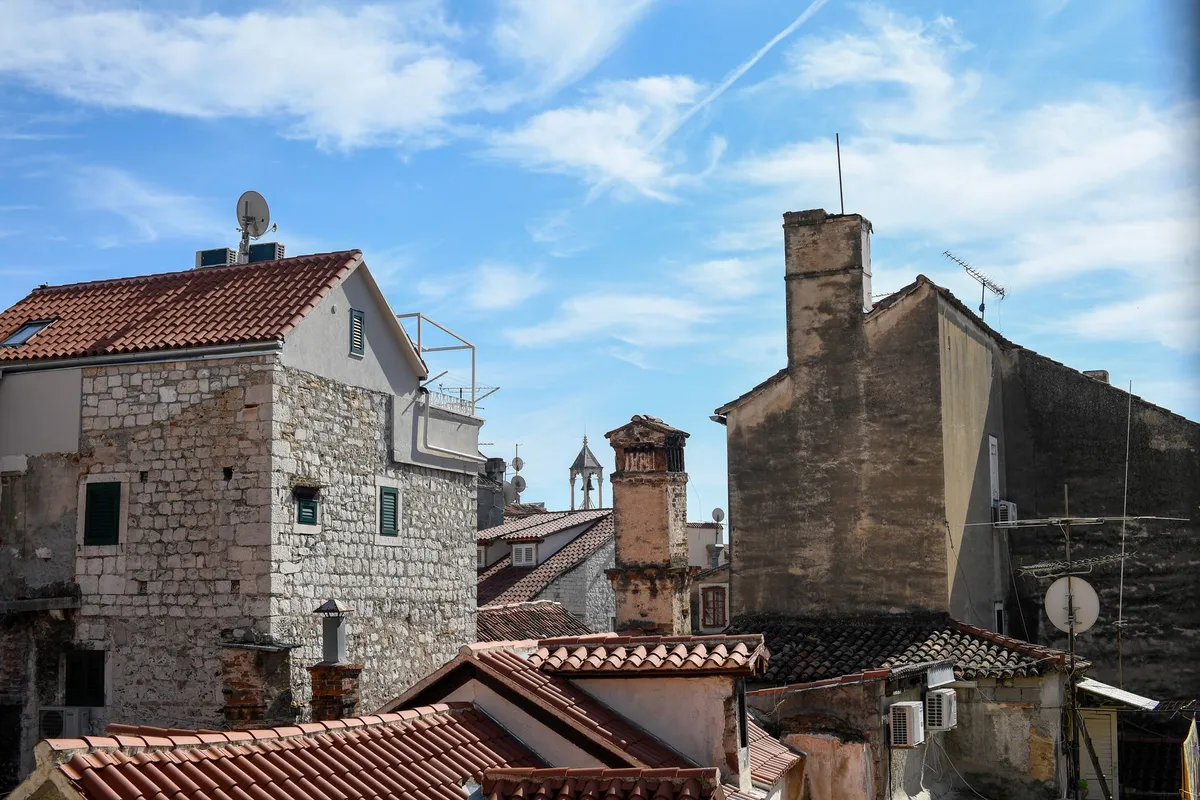
The heatwave that hit the Croatian coast in August 2026 has made history. In Split, on Wednesday, August 12, the highest temperature since official measurements began at Marjan was recorded. According to data from Slobodna Dalmacija, the observer reported an official air temperature of 40.2 degrees Celsius shortly after 2 PM, while Net.hr cites a value of 39.7 degrees.
This is the first time in the history of Split's measurements that the temperature has surpassed the psychological threshold of 40 degrees. The previous record of 39.5 degrees was measured at the end of June this year. The DHMZ meteorological station at Marjan has been operating for exactly one hundred years, with a continuous modern series of official measurements dating back to 1948, after the station was rebuilt in 1945 following damage during World War II.
Split was not the only one affected. In Dubrovnik, a temperature of 40.1 degrees was measured according to Slobodna Dalmacija, or 39.1 degrees at noon according to Net.hr. This broke last year's record of 38.6 degrees. On Lastovo, 38.6 degrees Celsius was recorded.
A historic record also fell in Senj the day before, on August 11, when 39.8 degrees was measured. Meteorologist Dorian Ribarić explained to Net.hr the cause of these extreme values.
"While it is significantly more pleasant on the continent, meaning the heat has subsided, on the Adriatic the heatwave is breaking all records. In fact, it has never been hotter since measurements began in Split, Dubrovnik, and Senj, and the föhn wind is to blame. Namely, this air blew as dry and hot air down the slopes of the Dinaric Alps, thereby increasing the already high temperatures along our coast, and thus records were broken. Here in Split, we have come very, very close to the forties," said Ribarić.
It should be noted that the values were measured under strictly controlled conditions, in a meteorological shelter with ensured air circulation, two meters above ground level. This means that temperatures in Split's neighborhoods, outside the shade of Marjan, were certainly higher than the officially recorded ones.
Sources do not agree on the exact values in Split and Dubrovnik: Slobodna Dalmacija cites 40.2 and 40.1 degrees, while Net.hr reports 39.7 and 39.1 degrees. Regardless of the differences, both media confirm that historic records were broken at both locations.