Serbia Between Brussels and Beijing
With membership talks dragging on for over a decade, Belgrade deepens ties with China and maintains relations with Moscow, raising concerns in the West.
With membership talks dragging on for over a decade, Belgrade deepens ties with China and maintains relations with Moscow, raising concerns in the West.
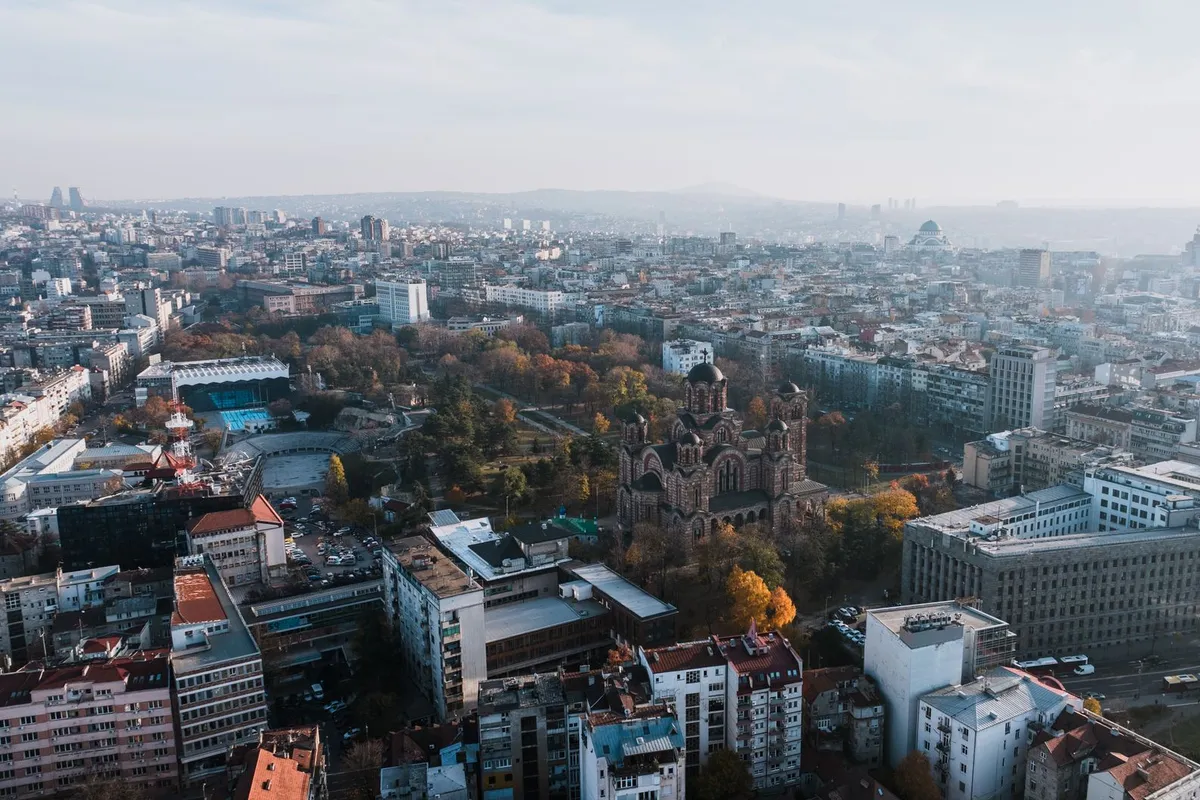
For years, Serbia has found itself at a geopolitical crossroads, striving to reconcile its declared goal of European Union membership with simultaneous deepening of ties with China and traditional bonds with Russia. This balancing act, led by President Aleksandar Vučić, in power since 2017, is increasingly coming under the scrutiny of Brussels and raising questions about the country's true direction.
Serbia was granted EU candidate status back in 2012, with accession talks officially opening in 2014. However, progress has been slow and burdened by key political issues. At the top of the list is the normalization of relations with Kosovo, whose independence, declared in 2008, Belgrade does not recognize. With EU mediation, the Belgrade-Pristina dialogue continues, but without a final, comprehensive agreement that would pave the way for faster integration.
Additional stumbling blocks include domestic issues of rule of law and media freedom. Vučić's policies have often been criticized by international organizations and the European Commission over concerns about democratic standards and restrictions on independent journalism.
Despite political challenges, Serbia's economy has posted solid results. In 2024, growth was around 3.5%, higher than the EU average. Yet, the economic picture also has a geopolitical dimension. In 2023, Serbia signed a free trade agreement with China, a move that has caused significant concern in Brussels. Many view this agreement as part of Beijing's broader strategy to increase its influence in the Western Balkans, potentially undermining the appeal of the European path.
Although Serbia imposed sanctions on Russia in 2023 over the invasion of Ukraine, marking a significant departure from traditionally close ties, relations with Moscow remain complex and are not entirely severed, especially in the energy sector.
As the largest country in the Western Balkans, Serbia plays a crucial role in the stability of the entire region. Its relations with neighbors and engagement in regional cooperation processes, such as the 'Open Balkan' initiative, directly impact security and economic opportunities. The ultimate success of normalizing relations with Kosovo is seen not only as a bilateral issue but also as a key test for the credibility of the EU's enlargement policy and its ability to ensure lasting peace in the Balkans.