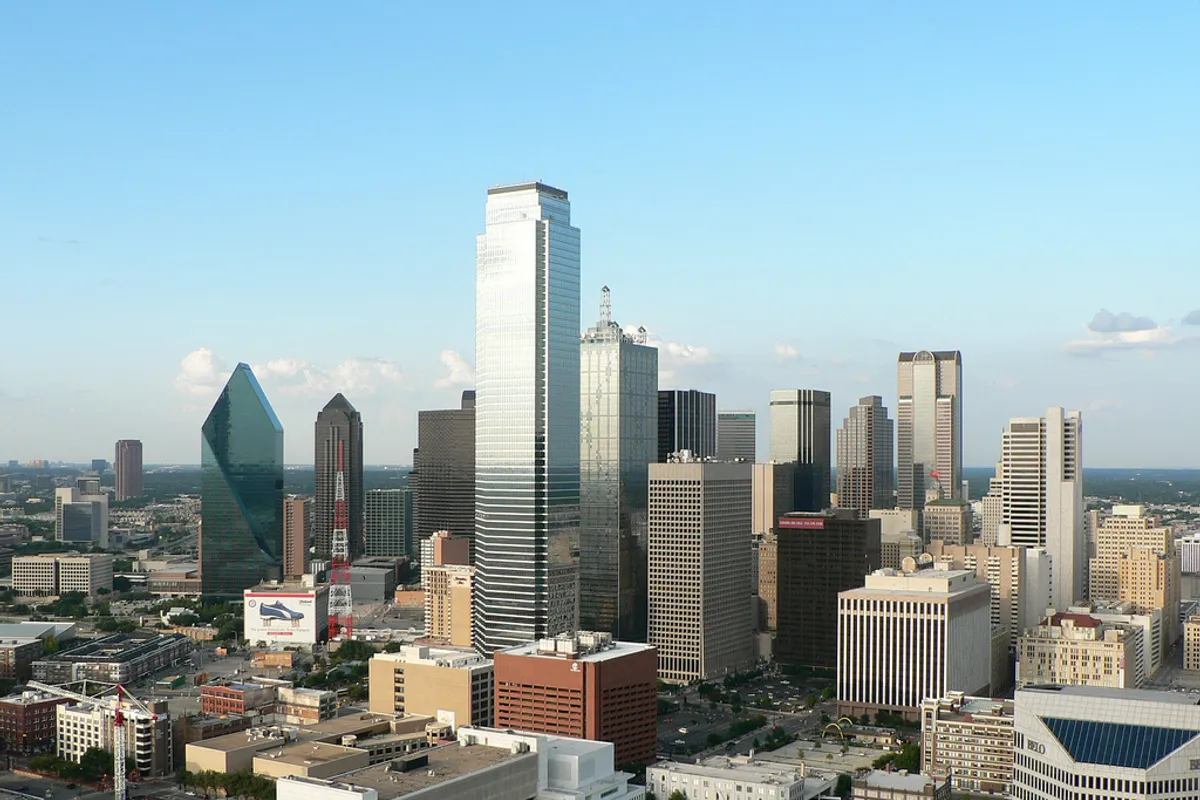
As we recall the Vatreni's match against England at this year's World Cup, played in Dallas on June 17, 2026, scientific projections suggest that we might soon experience the climate of that Texan city right here at home. According to a study by the Swiss Institute of Technology, Science, and Management in Zurich, which has produced as many as 31 Nobel laureates, Zagreb could become Dallas's climatic twin by 2050.
The study, published in July 2019 and led by British ecologist Tom Crowther, analyzed 520 cities worldwide. It concluded that by 2050, European summers will be on average 3.5 degrees warmer, and winters 4.7 degrees warmer. For Zagreb, this means a shift toward a subtropical climate with very hot and humid summers, where intense and prolonged heatwaves accompanied by severe drought are quite common.
Dallas's Climate as a Template for Future Zagreb
To better visualize what lies ahead, it's worth describing Dallas's climate. During July and August, average temperatures there reach 36 degrees Celsius, dropping only to 25 degrees at night. Temperatures above 38 degrees in summer are not uncommon. Winters are mild, with average January highs of 14.3 degrees and lows of 3.3 degrees, while temperatures rarely fall below -1.
Spring in Dallas is marked by powerful storms resulting from the collision of cold fronts from the north and warm, moist air from the Gulf of Mexico, leading to torrential rain, hail, and sometimes tornadoes. It is precisely Dallas, with daytime temperatures that rarely drop below 35 degrees in summer, that has been flagged as one of the most climate-critical World Cup hosts, and the Croatia-England match on June 17 was fortunately played at the covered, air-conditioned AT&T Stadium.
Even More Far-Reaching Projections: Calabria, Andalusia, Albania
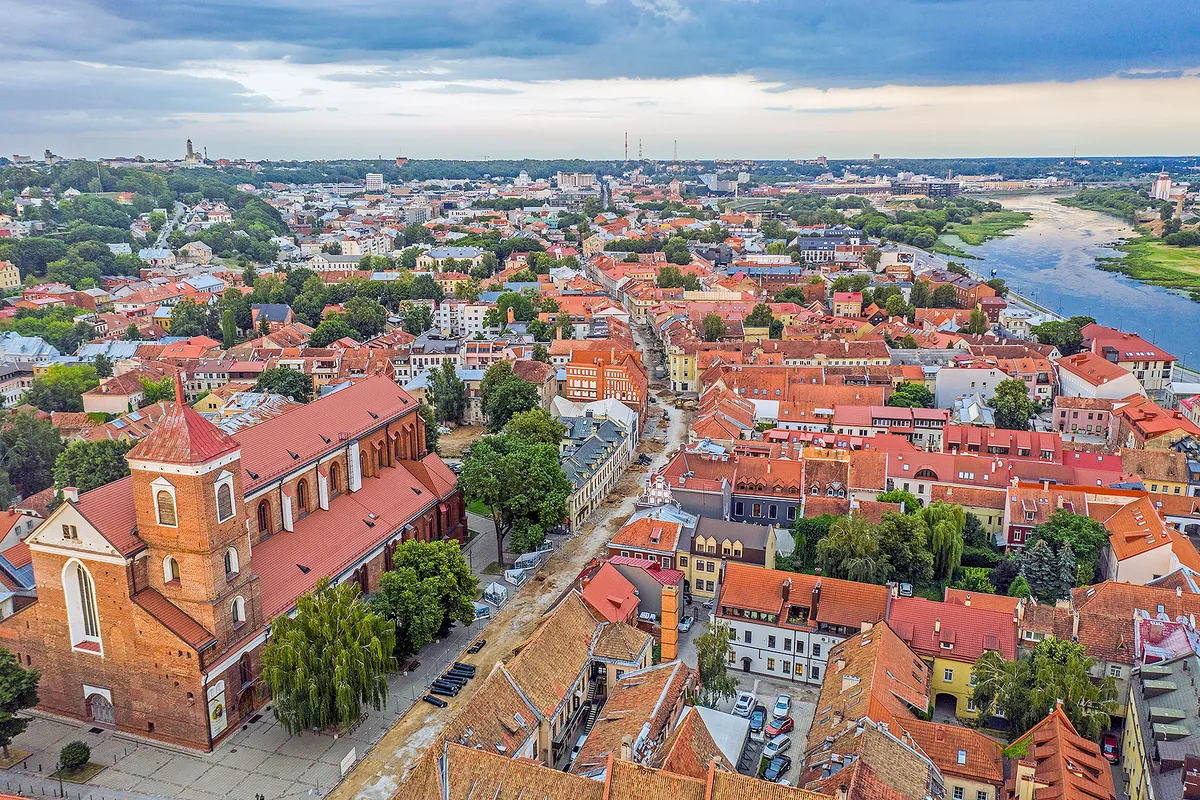
More recent research goes a step further. Two years ago, ecology professor Matthew Fitzpatrick from the University of Maryland, using data from the Intergovernmental Panel on Climate Change (IPCC), compared 40,581 locations to project climates up to 2080. According to that analysis, Zagreb should by then resemble today's Calabria in southern Italy.
For Zagreb, the projection indicates an increase in the highest average summer temperature by as much as 7.2 degrees, to around 34 degrees, while the average winter temperature would rise by 4.9 degrees compared to the current range of -1 to 3 degrees. Central Dalmatia would become climatically similar to Andalusia, and southern Croatia to southern Albania. Other European cities would also undergo transformation: London would be like Barcelona, Vienna like Skopje, and Stockholm like today's Vienna, where a record 40.8 degrees was recently measured.
High Time for Adaptation
Although these scenarios are projections, climatologists warn that they should be taken seriously. The ten hottest years on record have been the most recent ones, and the claim that "this summer will be the coolest for the rest of our lives" is increasingly cited. As the beds of the Danube and Drava dry up, revealing bombs from past wars, mammoth bones, and the remains of German soldiers from World War II found at the bottom of the dried-up Danube in Budapest, it is clear that climate change is accelerating.
Croatia has a tool to respond to these challenges. The Croatian Parliament adopted the Climate Change Adaptation Strategy for the period up to 2040 with a view to 2070 back in 2020. This detailed document mentions the need to adapt agriculture and tourism, manage river courses, protect the coast from over-concretization, and green cities. The hope remains that the authorities haven't forgotten about it and will start implementing it before Texas, Calabria, and Andalusia arrive.