Štrbac on Arrest of Serbs: A Distraction from the Waste Scandal
The head of Veritas claims the arrests in Benkovac are aimed at diverting attention from environmental affairs in Gospić and Donje Biljane.
The head of Veritas claims the arrests in Benkovac are aimed at diverting attention from environmental affairs in Gospić and Donje Biljane.
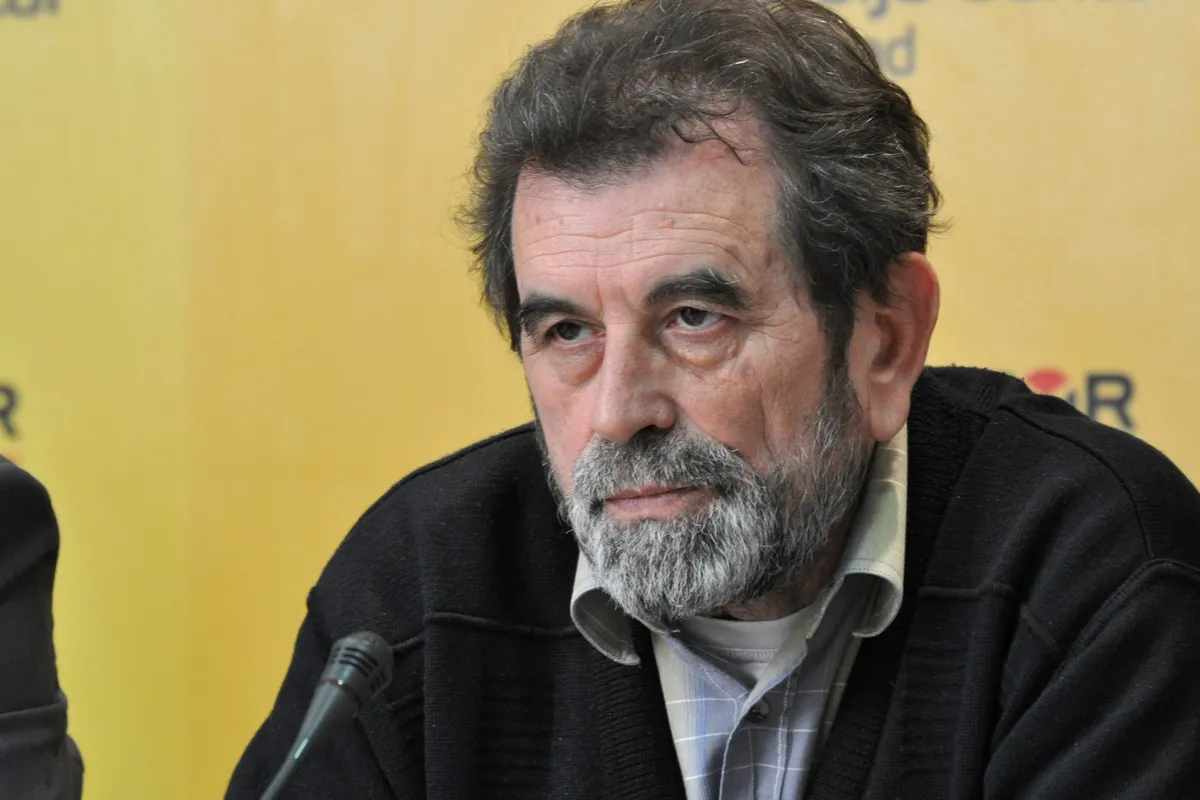
Savo Štrbac, president of the Documentation and Information Center 'Veritas', has assessed that the arrest of four people in the Benkovac area, suspected of starting fires near Zadar, is an 'amateurish story for the naive'. In an interview with Kurir, Štrbac claims this is a diversion from much more serious problems, primarily the disposal of hazardous waste.
The Croatian police arrested four people, including three Croatian citizens of Serbian ethnicity and one foreign national, according to Croatian news portal Index. The operation followed a citizen tip-off on Saturday after 8 PM about suspicious behavior by a group near the settlement of Raštević. Police officers intercepted a suspicious vehicle and detained all passengers.
As Index reports, USKOK (Office for the Suppression of Corruption and Organized Crime) is considering whether the arson case near Zadar contains elements of the criminal offense of terrorism. The case has gained a political and security dimension after it was revealed that one of the detained individuals originates from Donje Biljane, a village in the Zadar County area of the town of Benkovac, where a small number of Serbs live.
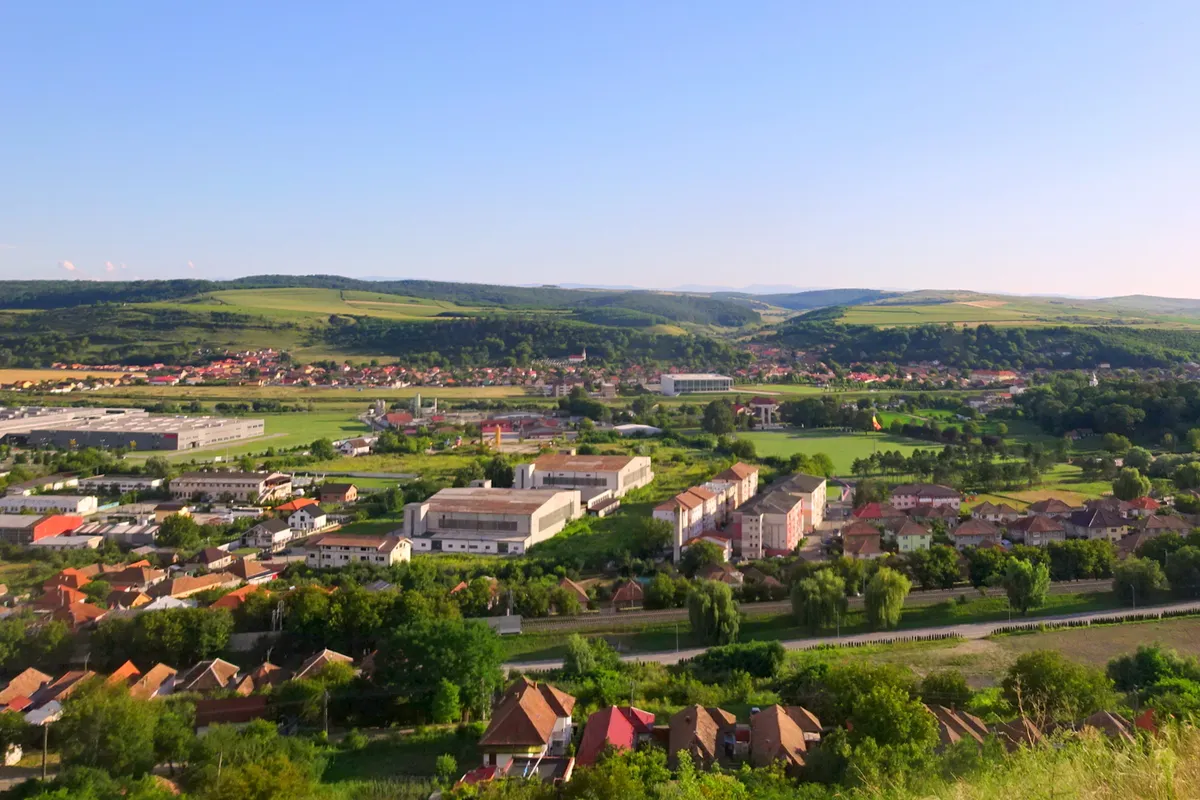
Donje Biljane previously came into the public spotlight due to a scandal involving the illegal disposal of hazardous waste. At the site known as 'Crno brdo' (Black Hill), approximately 140,000 tons of ferromanganese and silicomanganese slag from the former TEF complex in Šibenik were deposited between 2010 and 2011.
The environmental picture in Croatia has been further complicated by a new scandal in the Gospić area, where authorities discovered extensive illegal dumping of 37,000 tons of toxic waste at multiple locations. This case has escalated into a political clash that has directly shaken the government of Prime Minister Andrej Plenković. Opposition parties have called for a vote of no confidence in the government, accusing the responsible institutions of systematic negligence and concealing dangers to public health.
Štrbac told Kurir that the situation is much broader than the arrests themselves. "Croatia is now rocked by the affair of hazardous, some might say radioactive, waste in Gospić, and not only in Gospić, but again in Benkovac, where I'm from, what a coincidence. There, in the Benkovac quarry, where over 17,000 tons of similar waste as in Gospić is mentioned, the same companies ran it as in Gospić, that's completely certain," said Štrbac.
Reflecting on the history of toxic material deposition, Štrbac recalled the long-standing problems in Donje Biljane. "And before that, for years in Donje Biljane there was 'Crno brdo', as we called it, over 170,000 tons of waste was brought there. Donje Biljane is a purely Serbian village, however, south of Donje Biljane is a purely Croatian village - Škabrnja - so the planners didn't count on the bura wind blowing from north to south causing more damage to Škabrnja and some other villages to the south than to Biljane itself," he stated.
According to him, only when government, non-governmental, and European institutions got involved due to the endangerment of Croats in that area did the waste have to be removed. "This poisoning lasted for years," added Štrbac.
Commenting on the arrests in his native Raštević, 6 kilometers from Benkovac towards Biljane, Štrbac expressed skepticism about the official version of events. "I read that a married couple saw a car stopped, so they approached them and allegedly saw cans. If professionals were setting fires, they would hardly wait for someone to see them with cans. That story is so amateurish, for the naive, to get caught. This story actually mocks both Serbs and Croats, it's so much for laymen," he said.
Štrbac also highlighted the global context of fires, noting that they are raging worldwide, in Spain, France, and that 40 fires were recorded in Serbia. "But, for the authorities, the police, the prosecution, it's not, they probably want to divert attention from these fires that are raging, just raging. No one is latching onto that story, but when you say it was caused by an organized group of Serbs, this is to me a diversion from a much stronger and more serious problem than this fire that is blazing," he said.
Concluding, Štrbac called the import of hazardous waste from Europe the most serious problem. "So, this is a diversion from many problems, and nothing can be more serious than what the Croats have allowed - importing huge amounts of hazardous waste from Europe and storing it. When they started asking me the other day 'Is this because of the Serbs?' - There are no Serbs in Gospić, they were killed. In the middle of Gospić, only Croats remain," said Štrbac for Kurir.