The fields of Slavonia are once again witnessing the devastating effects of extreme heat, which has become a regular occurrence. This year's corn harvest has been almost completely destroyed, and farmers are looking in disbelief at empty cobs where they expected a bountiful yield. Months without significant rain and high temperatures have taken their toll, leaving farmers facing huge losses.
From 14 Tons to Almost Nothing
Vojo Nikšić, a farmer from Vukovar, planted corn on 250 hectares, but what he sees in the fields is far from the usual sight. "I don't remember a drought like this or such a poor yield, which will be, whether it will be, won't be, one or two tons per hectare, when it should normally be 13 or 14 tons per hectare," Nikšić told HRT. Although production costs have already been incurred and the corn must be harvested, he hopes at least for a declaration of a natural disaster to mitigate the losses as much as possible.
"We can't get to zero by any means; the drought is really strong and severe, but we can reduce the loss, yes, it can be reduced," added Nikšić, aware that any hope in such conditions is limited.
Drought Changes Crop Structure
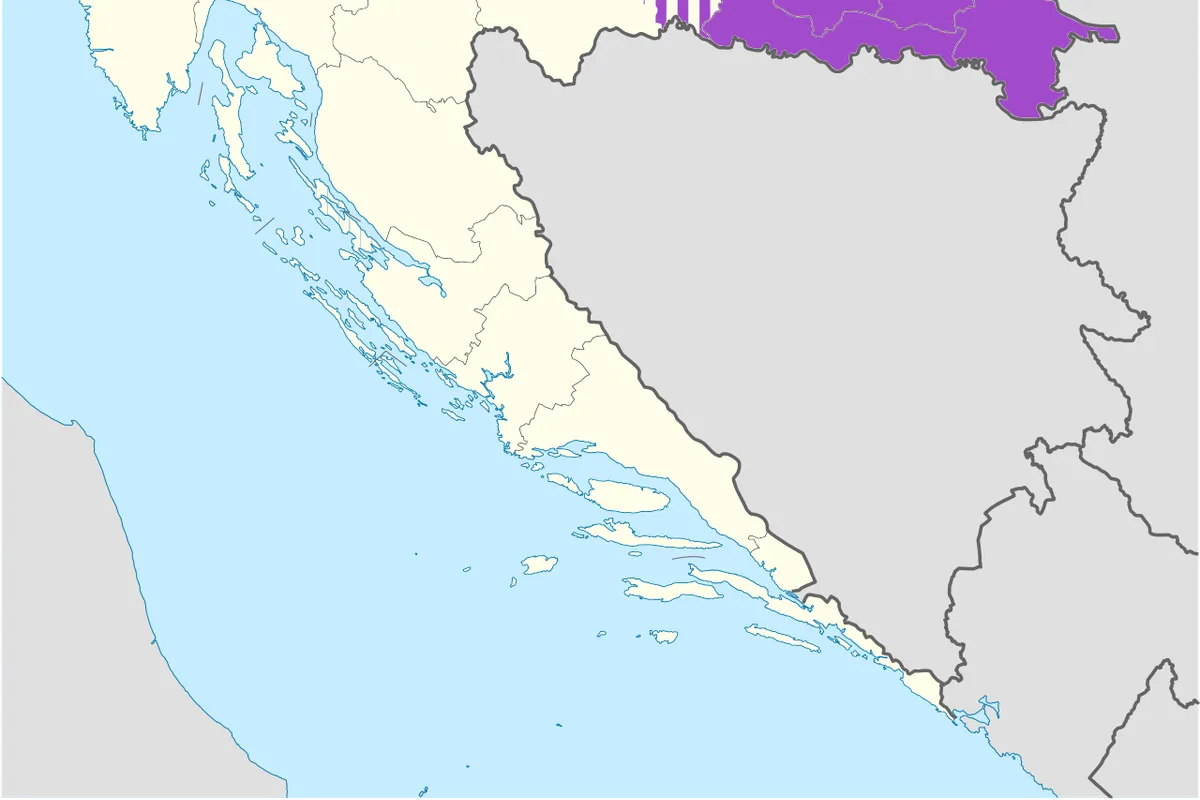
The effects of prolonged droughts are not only visible in this year's harvest but also in decisions about what to plant. In the Županja region, soybeans, once one of the most common crops, are being planted less and less. Anica Pavičić, a senior expert advisor in the Directorate for Professional Support at the Ministry of Agriculture, highlights worrying data.
"In the last few years, high temperatures have caused the greatest damage to soybeans; soybean yields have decreased to about 30 percent of the normal planned yields that farmers expect," emphasized Pavičić. Farmers are turning to more resilient crops like sunflowers, but even they struggle with prolonged dry periods without sufficient water.
Irrigation as the Only Salvation
Stjepan Zorić, a farmer from Erdut, is convinced that there is only one way out of this crisis, serious investment in irrigation systems. "It's a prejudice that field crops are not worth irrigating; first of all, that's not true, and they all tolerate it very well; we are a very good example, as are colleagues who irrigate field crops. Only a proper irrigation system can save all of Croatian agriculture, and that is a real system for 10 to 15 thousand hectares that needs to be built," Zorić said.
His words carry more weight when looking at estimates of annual drought damage in Croatian agriculture, which range between 200 and 300 million euros. Drought is no longer an exception but a recurring pattern, and farmers warn that every subsequent dry season without irrigation will be even harder and more costly.