Italian Minister: Spain's Reaction Is Incomprehensible
Mutual border controls between two EU member states have triggered a serious diplomatic crisis, with the EU migration commissioner trying to ease tensions.
Mutual border controls between two EU member states have triggered a serious diplomatic crisis, with the EU migration commissioner trying to ease tensions.
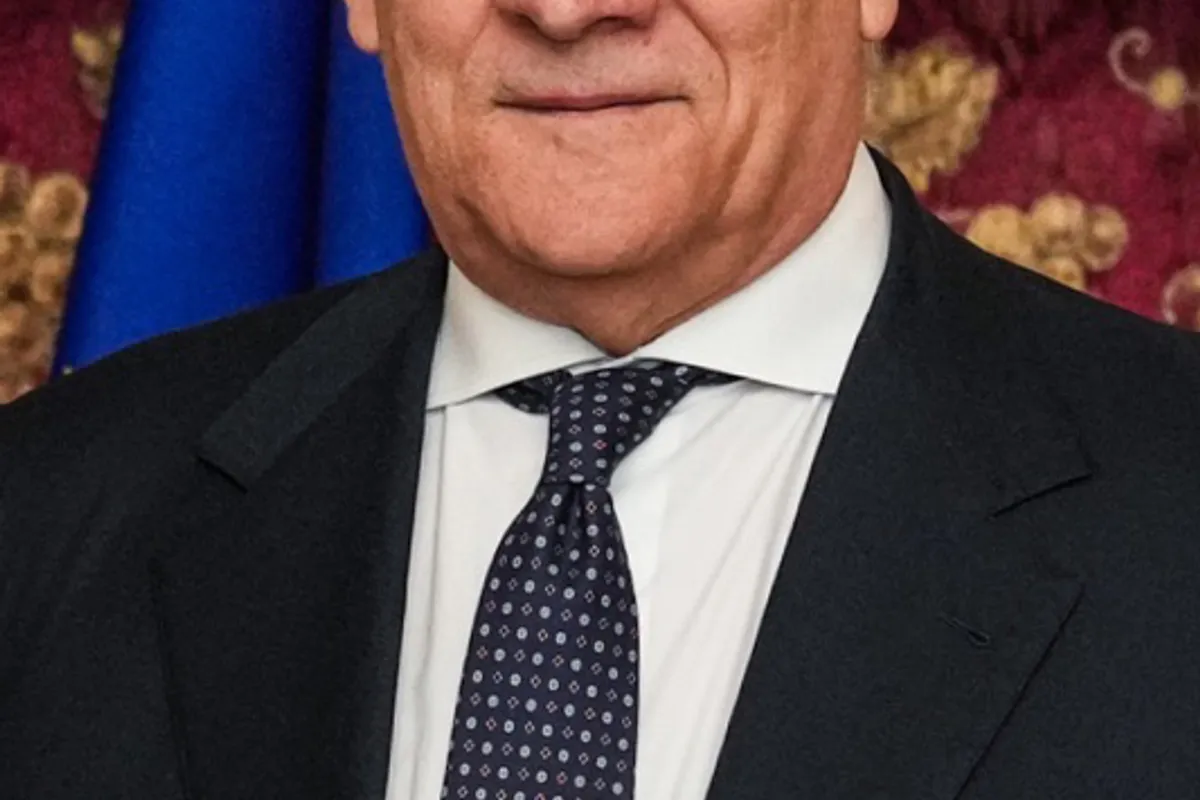
The diplomatic dispute between Spain and Italy escalated this weekend after Madrid imposed retaliatory border controls on travelers from Italy. Italian Foreign Minister Antonio Tajani called the decision "incomprehensible and completely unacceptable," while the fallout is already being felt at airports.
At midnight on Saturday, Spain launched random checks on travelers arriving from Italy. This move is a direct response to Rome's decision to introduce checks on travelers from Spain starting August 1, citing the recent arrival of around 72,000 migrants in Ceuta, a Spanish enclave in North Africa.
Spanish officials quickly dismissed Italy's arguments, pointing out that the border in Ceuta was under control before August 1 and that most migrants had been returned to Morocco. They stressed that Ceuta is not part of the Schengen area, so the chances of those without valid documents continuing their journey to mainland Europe are very slim.
Spanish Foreign Minister José Manuel Albares said the Italian checks had led to "intolerable" scenes at Italian airports. "This measure is, above all, an attack on the dignity of the Spanish people, but also a move that undermines European unity," Albares said.
On the other hand, Minister Tajani, in an interview with La Stampa, defended his government's decision. "We must impose order. We are not against Spain, but it is our duty to protect our own borders," he said, adding his concern that some of the migrants could hold jihadist views. He dismissed claims that Rome's moves were merely symbolic.
"Where do they go after arriving in Spain? Italy, as a destination, is the most exposed country. We are not Germany or Norway," Tajani stressed. He also indicated that there are reports of new calls for a mass border crossing in mid-August, but added: "We hope to be able to lift the suspension soon, as soon as the danger passes."
The conflict has deeper roots in different approaches to migration. Tajani criticized Madrid for its recent regularization program for foreign workers, describing it as "a negative message that threatens everyone's security." The European Union had earlier dismissed any link between the situation in Ceuta and Spain's regularization.
Interestingly, Italy also plans to issue nearly 1.1 million work permits for foreign workers by 2028. One researcher described the Italian government's efforts to the Financial Times as a "covert amnesty." Forza Italia, the party of which Tajani is a member, carried out one of Italy's largest such programs in 2002, issuing just over 634,000 permits.
Italian Prime Minister Giorgia Meloni seeks to portray herself as a proponent of strict policies, while Spanish Prime Minister Pedro Sánchez has defended the need for foreign workers to boost economic growth and combat demographic decline. Sánchez noted that Italy has had the highest number of illegal crossings in the EU in recent years, with figures double those of Spain.
The consequences of the diplomatic spat are felt most directly by travelers. More than eight million people used the route between the two countries last year. "It's ridiculous that we're in this situation," said 41-year-old Elisa Fabbri for the Spanish portal Eldiario.es as she left Madrid's Barajas airport on Saturday.
Israel Pérez, a Spanish citizen born in Cuba, described the situation as an "absurd spiral" that threatens to drag everyone down. "If we keep imposing checks on each other, we'll all end up losing. This shouldn't happen between two European states," Pérez said.
In Italy, opposition politicians sharply criticized the government. "The cynical propaganda of Giorgia Meloni's government has produced a predictable outcome: a boomerang that Italians will pay for dearly," said Nicola Fratoianni, leader of the Greens and Left Alliance, calling the move a "colossal mistake."
EU Migration Commissioner Magnus Brunner said on Saturday that he is in contact with the interior ministers of both countries. "Both have confirmed that the internal border controls are temporary," he announced on social media. He added that Spanish authorities had assured him that events in Ceuta would not permanently affect the Schengen area, and that signals from Italy suggest the checks could be lifted soon.
Meanwhile, a protest under the slogan "Basta ya" (Enough) was held in Ceuta on Sunday, increasing pressure on authorities in Madrid and Brussels to offer concrete solutions.