Tehran to Trump: We Are Professional Chess Players, War Is Not a Game
Iranian spokesman responds to US president who compared the conflict to a chess match, as the Strait of Hormuz blockade continues.
Iranian spokesman responds to US president who compared the conflict to a chess match, as the Strait of Hormuz blockade continues.
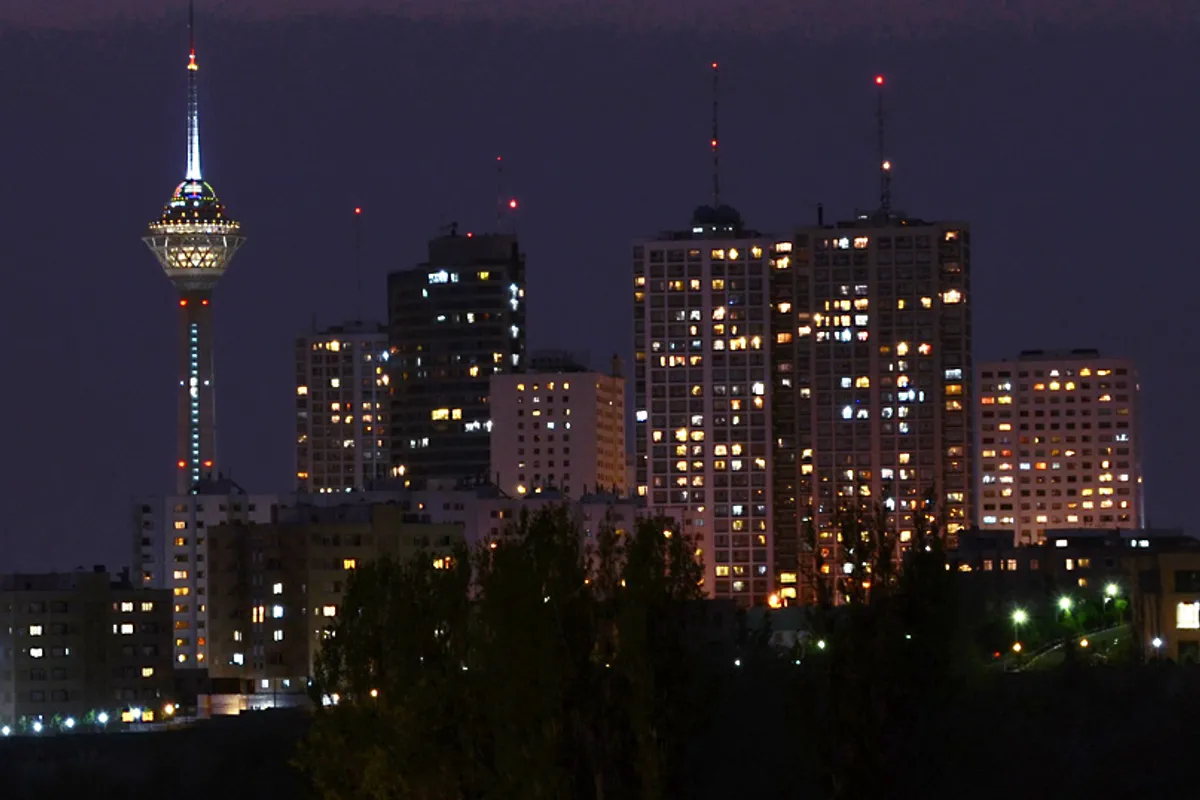
Iran's foreign ministry spokesman Esmaïl Baghaï on Monday sharply responded to US President Donald Trump's remarks, who a day earlier compared the conflict with Iran to a chess match. At a weekly press conference in Tehran, Baghaï said Iranians have shown they are "professional chess players," according to AFP.
In an interview with Axios on August 9, 2026, Trump said the situation with Iran is "only half-negotiated" and that they are just watching Iran with "massive inflation and the fact that they have no money." "It will be worked out. It always gets worked out in the end. It's like a game of chess," the US president added.
Baghaï did not mince words in his response. "You must not hope that you won't get dirty when you fight with pigs. After all, sometimes that is part of the fight that is imposed on you," the Iranian foreign ministry spokesman said. He stressed that there is no "direct negotiation" with Washington, only an "exchange of messages" through intermediaries.
The war in the Middle East began with a US-Israeli offensive on February 28, 2026. In mid-June, Tehran and Washington signed a memorandum of understanding, but the deal collapsed in early July. Since then, Trump has been seeking a way out of the conflict, faced with demands from the Iranian leadership.
Iran continues to block the strategic Strait of Hormuz, while the US responds with a blockade of Iranian ports. On Monday, Baghaï reiterated Tehran's stance: "As long as the American naval blockade continues... as long as other violations by the United States continue, the necessary conditions for claiming that the Strait of Hormuz has become a safe waterway will not exist."
Iranian official Mohammad Bagher Zolghadr on August 8 outlined Tehran's demands for reopening the strait, including an end to the "war and aggression against Iran and its allies in Lebanon, Palestine, Yemen, and Iraq," lifting the US counter-blockade of Iranian ports, ending sanctions, releasing frozen Iranian assets, and compensation for war damages, according to the Tasnim news agency.
For now, Iranian diplomacy is focusing on negotiations with Oman regarding a future transit route through the strait. Baghaï emphasized that there remain "several technical points" to discuss and "mechanisms" to establish for the safety of the maritime route. "As a rule, when you provide maritime services, you necessarily get something in return," the spokesman concluded, signaling that Iran does not intend to give up charging for passage through the strait, despite opposition from the US and international maritime law.