How to Help Yourself and When to See a Doctor?
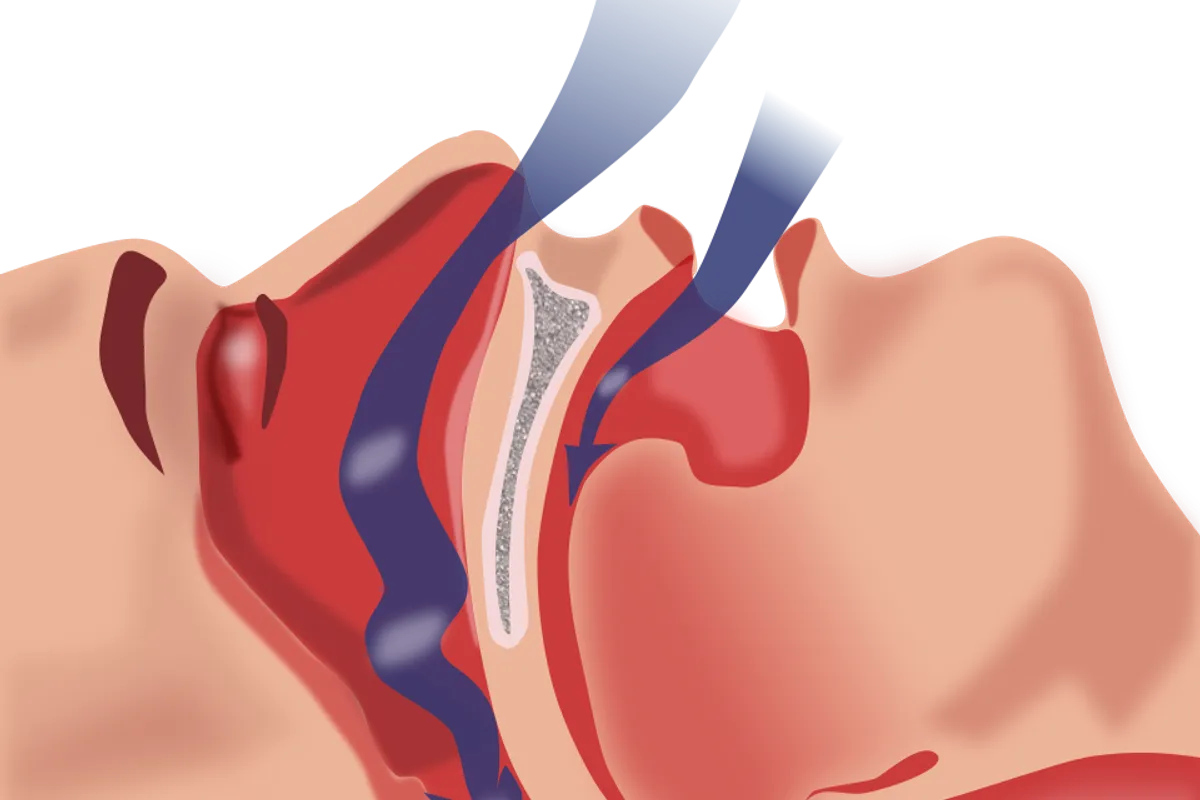
For many who suffer from orthopnea, sleeping with the upper body elevated often helps. Using extra pillows or raising the head of the bed can reduce the flow of blood and fluid to the lungs, making breathing easier. The number of pillows needed for a comfortable night's sleep can indicate that symptoms are worsening. If someone gradually needs more pillows to breathe, it is advisable to consult a doctor.
Treatment is determined by the underlying cause and may include oxygen, CPAP devices for sleep apnea, diuretics for heart failure, antibiotics for bacterial infections, drainage of fluid around the lungs, or surgical procedures on the heart. In obese individuals, weight loss can bring significant improvement.
Breathing difficulties that occur when lying down should not be ignored, especially if they are new or worsening. Emergency medical help is necessary if orthopnea is accompanied by chest pain or pressure, sudden shortness of breath, rapid heartbeat, fever or chills, coughing up colored or pink sputum, swelling in the legs, ankles, arms, or abdomen, sudden weight change, or extreme, unusual fatigue.