The Silent Deficiency That Can Be Dangerous: Here's How to Get Enough Folate
A lack of vitamin B9 can lead to serious health issues, but with proper nutrition and targeted supplementation, the risk can be significantly reduced.
A lack of vitamin B9 can lead to serious health issues, but with proper nutrition and targeted supplementation, the risk can be significantly reduced.
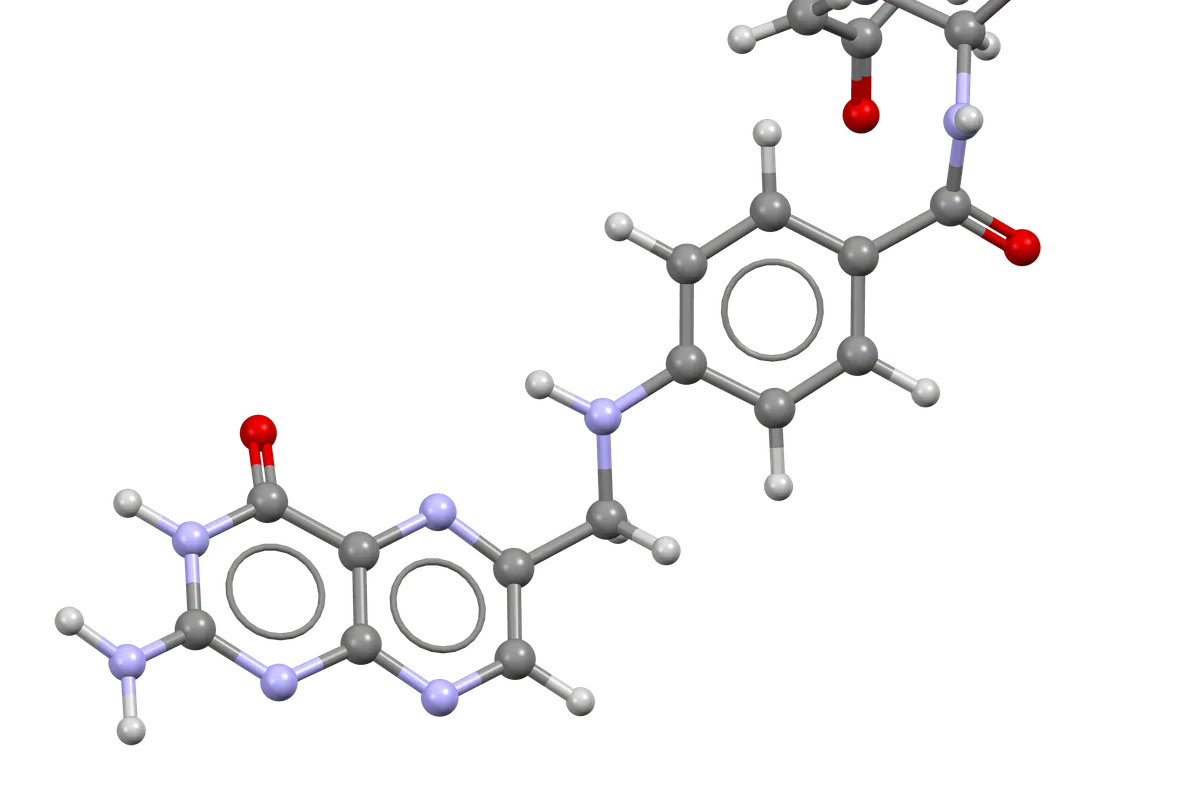
Vitamin B9, often referred to as folic acid, is an essential substance for the proper functioning of the body. According to Ordinacija.hr, its deficiency can lead to serious health problems, but with a balanced diet and targeted supplementation, the risk can be greatly reduced.
Folate, the natural form of vitamin B9, is essential for fundamental bodily processes such as DNA synthesis, cell division, and protein metabolism. Although it is often confused with folic acid, it should be noted that folic acid is a synthetic form found in dietary supplements and fortified foods and, surprisingly, is better absorbed by the body. When levels of this vitamin are insufficient, vital building processes in the body are compromised, which is especially important during periods of rapid growth, such as pregnancy.
Folate deficiency poses a risk to certain groups, including pregnant women, individuals with digestive issues like celiac disease, and those who consume excessive alcohol. Signs of deficiency are often subtle and manifest as persistent fatigue, weakness, difficulty concentrating, and pale skin. In more severe cases, megaloblastic anemia can develop, a disorder in which the bone marrow produces oversized and immature red blood cells, leading to reduced oxygen supply. Additional indicators include mouth ulcers, a swollen tongue, and increased irritability.
Folate is also vital for heart health. In conjunction with vitamins B6 and B12, it participates in the breakdown of the amino acid homocysteine, and elevated levels of this substance are linked to an increased risk of atherosclerosis, heart attack, and stroke. Studies have shown that taking folic acid as a supplement can significantly reduce the likelihood of a first stroke, especially in regions where food is not systematically fortified with this vitamin.
The most important function of folate is preventing severe birth defects known as neural tube defects. Since the neural tube closes within the first 28 days after conception, often before a woman even realizes she is pregnant, it is crucial that she already has sufficient folate in her body. Therefore, all women of childbearing age are advised to take a preventive dose of 400 micrograms (mcg) of folic acid daily.
The recommended daily intake for adults is 400 mcg, and for pregnant women, 600 mcg, which can be achieved through a balanced diet. The best natural sources include dark leafy greens like spinach and kale, legumes such as lentils and beans, as well as asparagus, broccoli, citrus fruits, and eggs.
When diet is insufficient, folic acid supplements are used. However, caution is advised. Daily intake exceeding 1000 micrograms can mask signs of vitamin B12 deficiency, which is particularly risky for older adults. In them, untreated B12 deficiency can cause permanent and irreversible damage to the nervous system. Therefore, it is essential to consult a doctor before taking high doses.