Treadmill or Asphalt: Where Is Running More Effective?
Experts Debunk Myths About Indoor and Outdoor Running, and Key Tips Reveal What Matters Most for Your Fitness.
Experts Debunk Myths About Indoor and Outdoor Running, and Key Tips Reveal What Matters Most for Your Fitness.
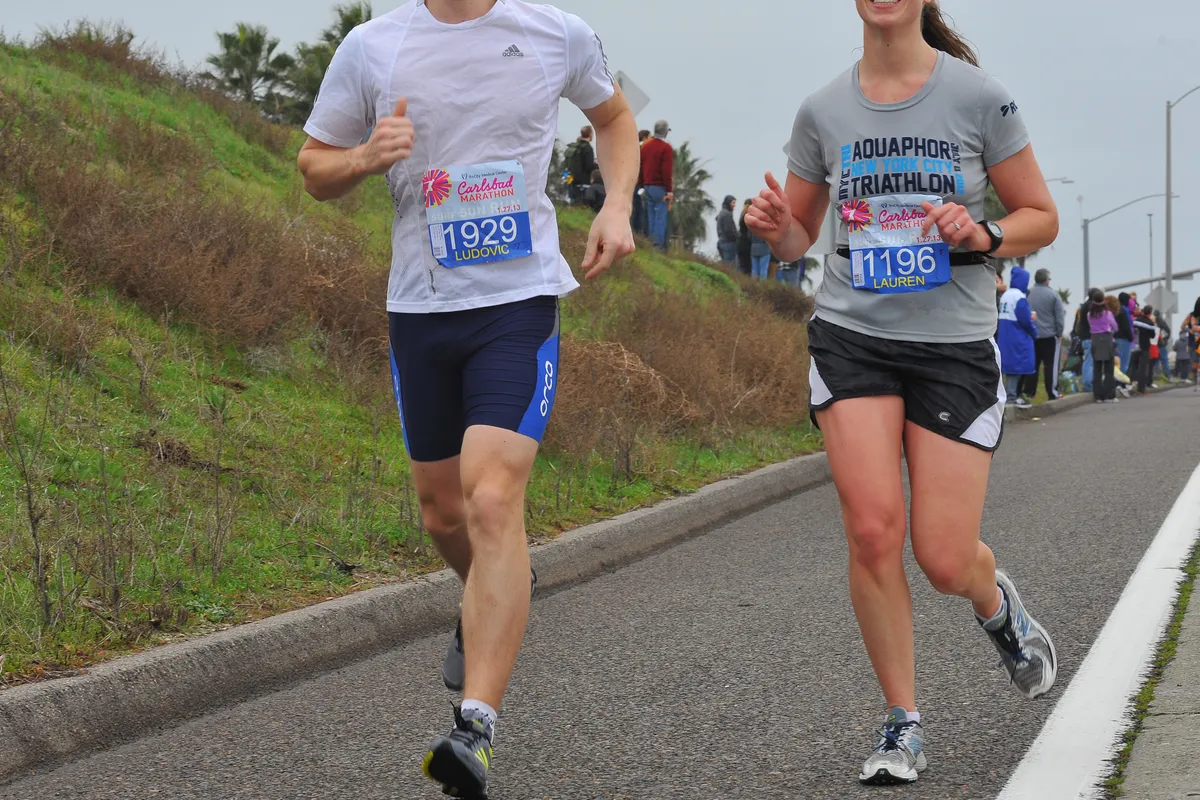
Whether you choose to lace up your sneakers for the treadmill at the gym or the path in the park, one thing is certain: running strengthens the heart, boosts mood, and builds confidence. Yet, the age-old question of which option is better for fitness often sparks debate. According to Health.com, as reported by Index.hr, the answer is not clear-cut, and the best choice largely depends on your personal goals, habits, and what helps you stay consistent.
It's often said that treadmill running is easier because there's no air resistance and the surface is perfectly flat. For this reason, it has been recommended for years to set the treadmill incline to 1 percent to simulate outdoor conditions. However, for most recreational runners, such an adjustment is not necessary. The difference in effort due to air resistance becomes significant only at very high speeds. If you run at a moderate pace, a flat treadmill provides a sufficiently similar effort to running on a flat surface outdoors.
Although conditions on the treadmill are controlled, some find training there more challenging. Outdoors, pace naturally and unconsciously varies, while the treadmill requires maintaining a constant speed. Additionally, running outside brings constant changes in scenery, making the workout more interesting. On the treadmill, you stay in the same spot the entire time, which can lead to monotony and mental fatigue. On the other hand, this very control allows for precise tracking of progress and performing exactly defined interval workouts.
The treadmill becomes a more practical choice when weather or safety conditions are not ideal. If you train early in the morning or late in the evening, especially during winter, it allows you to work out regardless of darkness, ice, snow, strong wind, or high temperatures. Another advantage is the ability to adjust the incline, which is useful if you're preparing for a race with hills but live in a flat area.
Outdoor training is indispensable if you're preparing for a race that will take place outside. This way, your body adapts to real conditions like wind, humidity, different surfaces, and changes in elevation. Beyond physical benefits, being outdoors during activity can contribute to a sense of energy, reduce tension and bad mood. The variety of routes and terrains also makes it easier to maintain motivation.
There is no universally best option. Whether your goal is to run five kilometers or simply improve your fitness, both the treadmill and the outdoors can be extremely effective. The most important thing is to choose the training method that suits you best and that you can stick to regularly. Consistency is key and more important than the surface itself.
If you're a beginner, it's crucial to start gradually. A sudden increase in intensity or duration of training can unnecessarily strain muscles, ligaments, and tendons. A good start is a combination of walking and running: alternate 30 seconds of light running with 30 seconds of walking. As your fitness improves, gradually increase the time spent running. To begin with, two to three workouts per week lasting 20 to 30 minutes are sufficient, with at least one rest day between workouts for recovery. Regular, moderate efforts will bring more long-term benefits than occasional exhausting workouts.