Three Islamic Powers Sign Defense Pact in Mecca
Saudi Arabia, Pakistan, and Turkey have united under a joint defense agreement, concerned about escalating conflict with Iran and attacks on oil exports in the Persian Gulf.
Saudi Arabia, Pakistan, and Turkey have united under a joint defense agreement, concerned about escalating conflict with Iran and attacks on oil exports in the Persian Gulf.
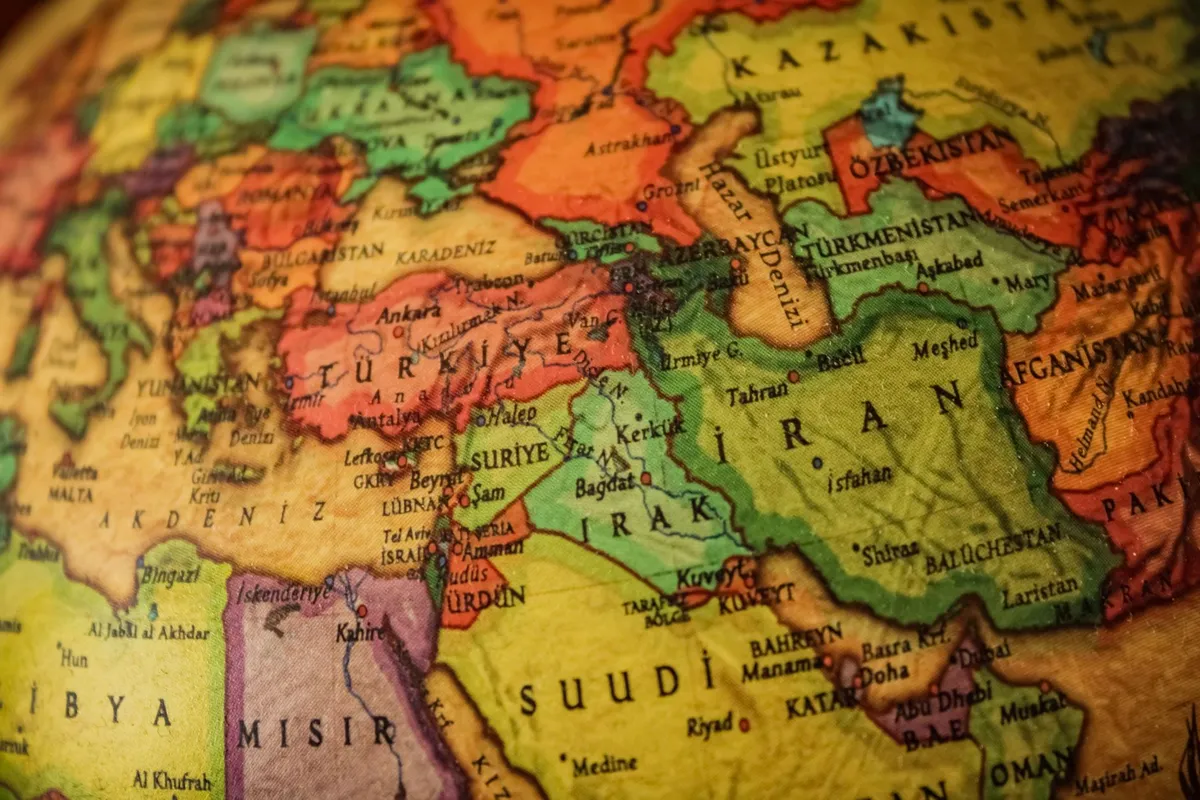
Saudi Arabia, Pakistan, and Turkey signed a joint defense agreement in Mecca on Friday, August 7, 2026. With this act, the three major Sunni powers, all allies of the United States, formalized their security cooperation amid rising regional tensions and direct attacks on critical oil infrastructure.
The agreement, named the Joint Defense Agreement of Mecca, stipulates that an armed attack on any of the three signatory states will be considered an attack on all of them. According to a joint statement, the goal is to strengthen collective deterrence against aggression and promote peace and stability in the region and beyond.
The signing of the pact is a direct consequence of the dramatic escalation of conflict that began on February 28, 2026, when the United States and Israel launched an attack on Iran. Since then, Iran and its allies have continuously carried out attacks on Saudi Arabia and other Gulf states, including blockading their energy exports.
Missile attacks have particularly targeted oil exporters in the Persian Gulf, causing deep concern among the world's leading producers and exporters of black gold. Although a Turkish official emphasizes that the agreement is not directed against any specific actor and is open to other states, it is clear that all three signatories are particularly concerned about the actions of Israel and revolutionary Shiite Iran.
Abdulaziz Sager, president of the Gulf Research Center, a Saudi think tank, highlighted the significance of the moment. "The political symbolism of this summit is extremely important. The three most influential states of the Muslim world are meeting at a time of heightened uncertainty, demonstrating the growing readiness of regional and middle powers for closer coordination on security matters," Sager said.
Each of the three states brings unique strategic weight to the alliance. Turkey possesses the second-largest military within the NATO alliance. Saudi Arabia, as the most powerful Gulf state, is home to Islam's holiest sites and one of the world's largest oil exporters. Pakistan, on the other hand, is the only Muslim state with nuclear weapons.
While details of the specific commitments of each state have not been publicly disclosed, the statement indicates that the agreement does not abolish or replace existing bilateral or multilateral defense arrangements. This pact comes at a time when their long-time ally, the United States, is increasingly struggling to manage regional turmoil, opening space for regional powers to position themselves more independently on security matters.