On Friday, August 7, 2026, a defense agreement was signed in Mecca that could significantly reshape the security architecture of the Middle East. Turkey, Pakistan, and Saudi Arabia-three regional powers and Sunni Muslim allies of the United States-have united under the 'Joint Defense Agreement of Mecca,' a pact that, according to Turkey's foreign minister, is technically equivalent to the key article of the North Atlantic Treaty Organization.
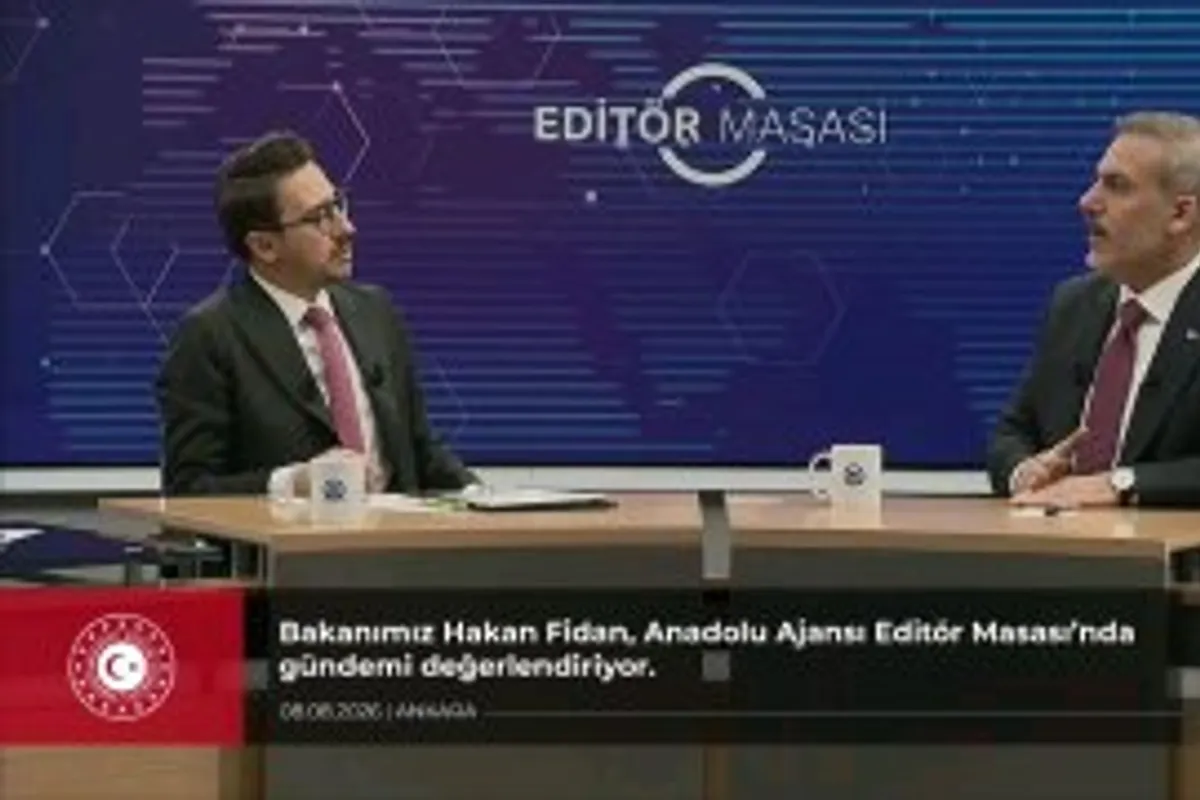
'NATO is a vast military alliance with 32 member states. Here, we started as three countries and must take very modest but concrete steps,' Hakan Fidan told the state-run Anadolu Agency on Saturday. Fidan clarified that the core of the agreement, which had been in preparation for two years and eight months, is equivalent to NATO's Article 5 on mutual defense, meaning that an armed attack on any of the three members will be considered an attack on all of them.
Alliance Open to New Members, Egypt First in Line
Although the pact is currently trilateral, the doors are wide open for expansion. Turkish President Recep Tayyip Erdogan, as reported by Fidan, wants to expand the alliance, with Egypt standing out as the first potential candidate. In a joint statement by the three countries, it was stated that the primary goal of the agreement is to strengthen collective deterrence against any act of aggression.
Minister Fidan emphasized that the new military alliance is not directed against Iran or any other country in the region. As he explained, it is a general commitment to provide support for the security of the three allies. 'The agreement is not directed against Iran or any other country, but represents a general commitment to support the security of the three allies,' Fidan told Anadolu, adding that no country will be considered a threat as long as it does not attack one of the member states.
Structure Modeled on NATO
The pact comes at a time of heightened regional tensions that have led to Iranian missile attacks on Gulf oil exporters, worrying Washington's Sunni allies. Turkey, which possesses the second-largest military within NATO, has stated that the new agreement is not intended to replace existing alliances but to complement them.
Institutional-wise, the alliance will follow the proven NATO model. A ministerial committee will be established, similar to that of the North Atlantic Alliance, while the main secretariat will be headquartered in Saudi Arabia. Operational details, including the scope, form, and manner of support in the event of an attack on a member, will be agreed upon at the first committee meeting and through further consultations among the allies.