Trump: No Negotiations with Iran, Hormuz 'Open and Operational'
After a new attack on a merchant ship in the Strait of Hormuz, American and Iranian officials send conflicting messages about the status of the key waterway for global oil.
After a new attack on a merchant ship in the Strait of Hormuz, American and Iranian officials send conflicting messages about the status of the key waterway for global oil.
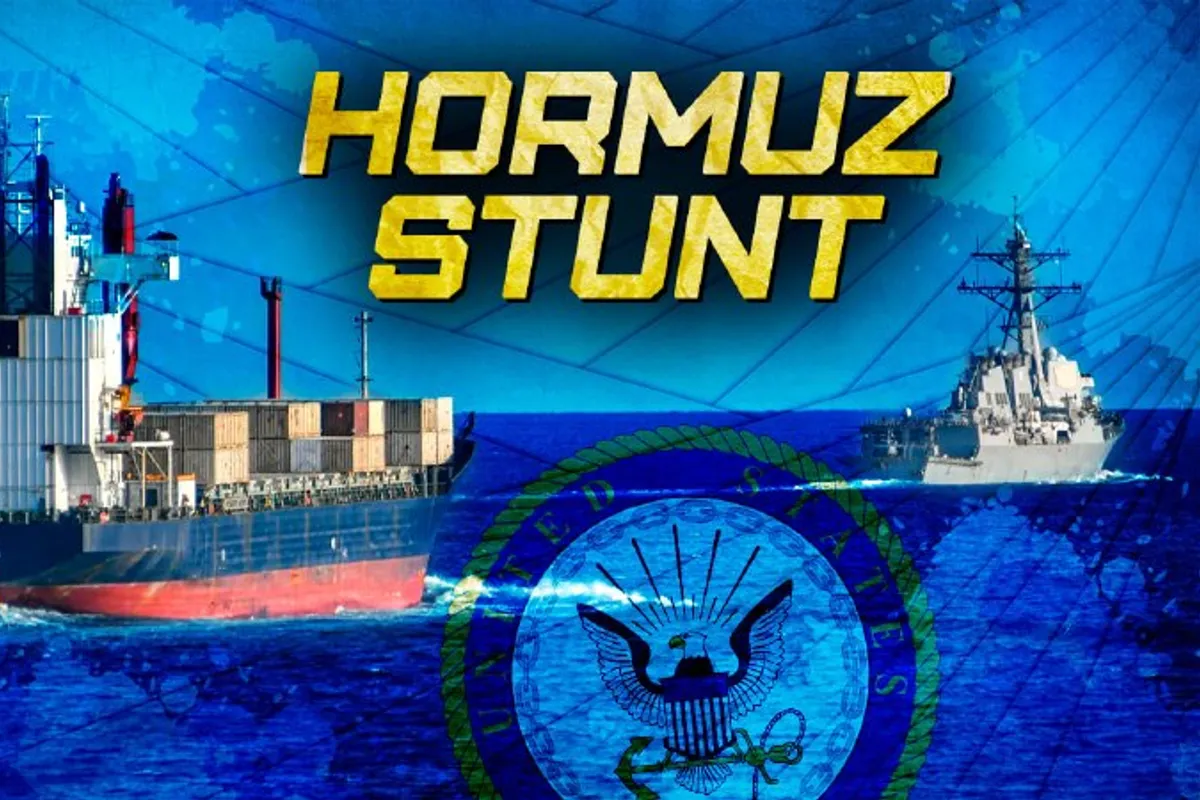
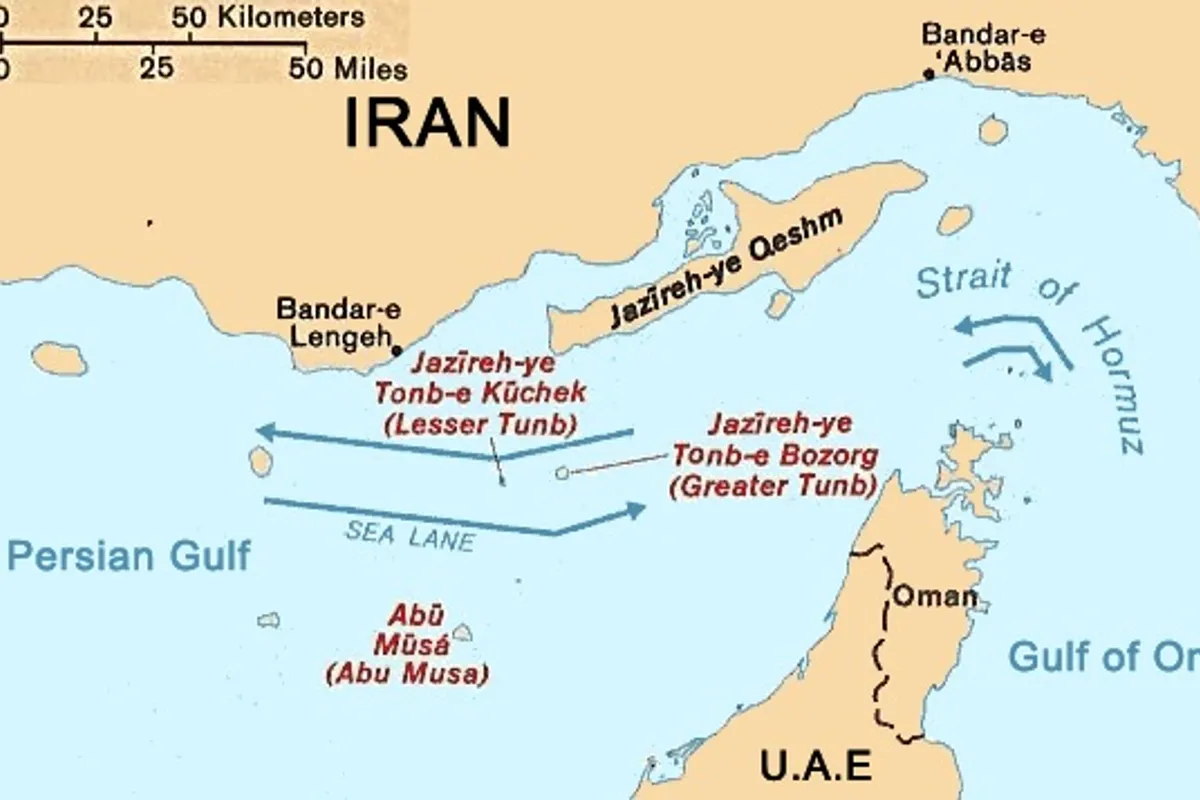
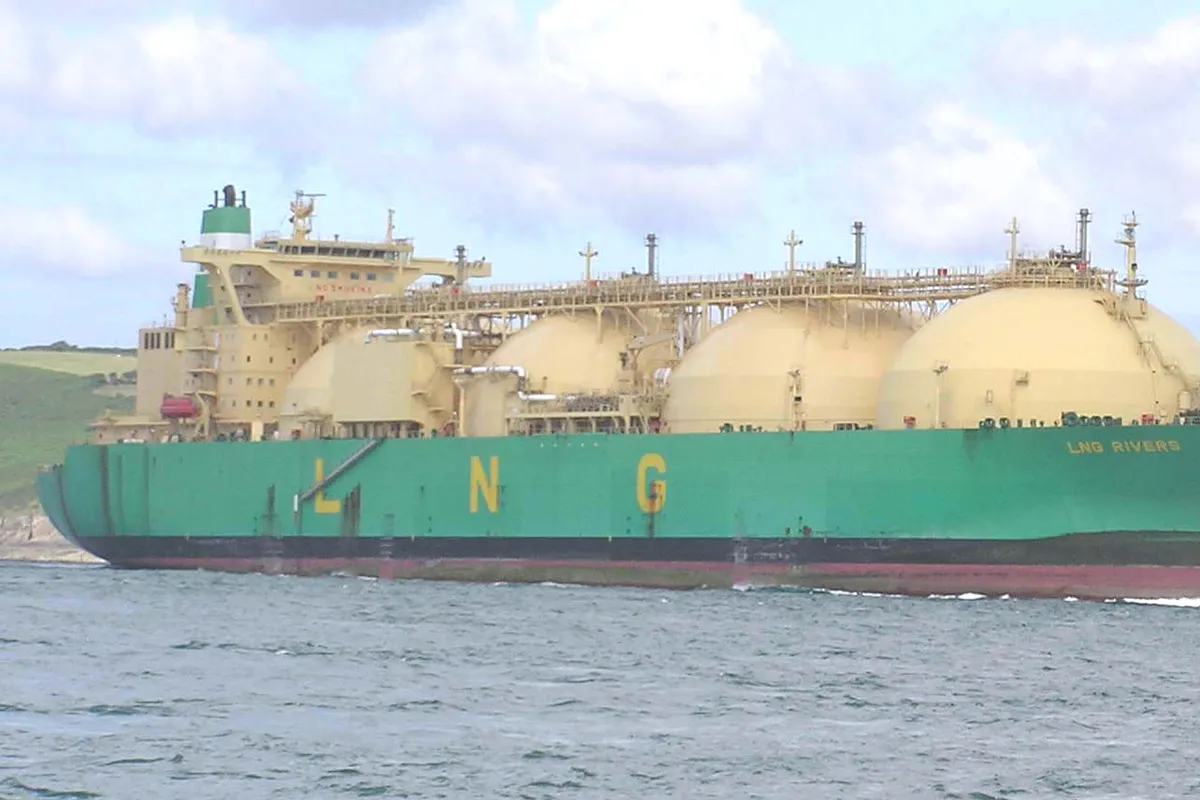
An unknown projectile damaged the engine room of a merchant ship and caused a casualty among the crew in the early morning hours of August 18, 2026, while the vessel was attempting to transit the Strait of Hormuz off the coast of Oman, the United Kingdom Maritime Trade Operations (UKMTO) reported. The center did not release details about the ship, nor is it clear whether a crew member was killed or injured. Oman's coast guard is assisting the remaining crew members, and authorities are investigating the incident.
Just hours after the attack, Iranian parliament speaker Mohammad Bagher Qalibaf, who also heads Iran's negotiating team, stated that the Islamic Republic will not reopen the Strait of Hormuz until the United States fulfills its obligations under the memorandum of understanding signed between the two sides. Speaking at a parliamentary session, according to Iran's state news agency IRNA, Qalibaf said Iran will use both diplomatic and military means to make the US aware of "the consequences of its actions."
"To be clear: as long as the US does not fulfill its obligations under the memorandum of understanding, including lifting the blockade, releasing frozen assets, lifting oil sanctions, ending threats and military operations on all fronts, and implementing the other conditions it committed to under the memorandum, the strait will not reopen," Qalibaf said.
Qalibaf added that the period stipulated by the memorandum, including the lifting of the US blockade and the ceasefire, helped Iran increase its economic resilience and rebuild its defense capabilities. "The Islamic Republic of Iran is ready, in proportion to hostile actions and aggression, to inflict an even heavier defeat on it," he said.
In an apparent response to these statements, US President Donald Trump posted on his Truth Social account an image depicting the Strait of Hormuz as new US territory. The post came days after the US president announced he would "soon" declare this vital waterway part of the US. SouthFront's analysis suggests this post could signal preparation for an unprecedented escalation, including a possible ground operation to seize Iran's coast along the strait, which could be the only way to open the waterway without a deal with Tehran.
Trump said on August 18, 2026, that there are no scheduled negotiations with Iran, Bloomberg reported. "There are no negotiations or talks underway, nor are any scheduled, with the Islamic Republic of Iran. The naval blockade remains in full force. The Strait of Hormuz is open and operational. All naval mines have been removed or detonated," Trump wrote on Truth Social.
Sources disagree over the actual state of the Strait of Hormuz. Iran says the strait will not reopen until the US fulfills its obligations under the memorandum, while the US president claims it is open and all mines have been removed. The memorandum of understanding between the US and Iran lasted 60 days, and according to a Rabobank analysis, both sides now reject its extension.
Analyst Michael Every of Rabobank warns that escalation in the Middle East could lead to further rises in global energy prices. The diesel crack reached a record $102, which is unprecedented. The US recently awarded a $23 billion contract to Raytheon to accelerate annual Tomahawk missile production to over 1,000 units from the current 60, and a $59 billion contract to Lockheed Martin to increase Patriot interceptor production from 600 to 2,000 units. These contracts, according to ZeroHedge, signal preparation for a longer-term escalation.
Israeli intelligence claims Tehran has achieved a remarkable recovery in ballistic missile production while ignoring the needs of the civilian economy. The Wall Street Journal reports that Iran is preparing to foment unrest in the Gulf, cut undersea internet cables, further destabilize the Red Sea via the Houthis (a Yemeni group), and move troops to Kuwait to force a US ground intervention. Trump's threat to bomb Oman, according to ZeroHedge, is public diplomacy that matches what Tehran privately threatens to ensure Muscat does not close the southern passage that allows ship-to-ship oil transfers. Saudi Arabia is now offering to sell oil near Oman, a sign it may be copying the UAE's practice.
Meanwhile, tensions remain high on the Russian-Ukrainian front as well. There is speculation that after the Duma elections from September 18-20, 2026, Russian President Putin could escalate with mobilization and border closure, or a move against a Baltic state to test NATO's Article 5. North Korea could also send an additional 50,000 troops to Ukraine.