Trump Says: I Don't Trust Iran
The U.S. president speaks out amid a five-month conflict that has depleted American interceptor missile stockpiles, as mediated talks enter their final phase.
The U.S. president speaks out amid a five-month conflict that has depleted American interceptor missile stockpiles, as mediated talks enter their final phase.
U.S. President Donald Trump said on Wednesday, August 12, 2026, that he does not trust Iranian representatives. He made the comment while responding to reporters' questions at Andrews Air Force Base near Washington.
"I don't trust Iran. I'm the last person who trusts Iran," Trump said, according to Russia's state news agency TASS. He also assessed that the United States is in a "very good position" regarding Iran.
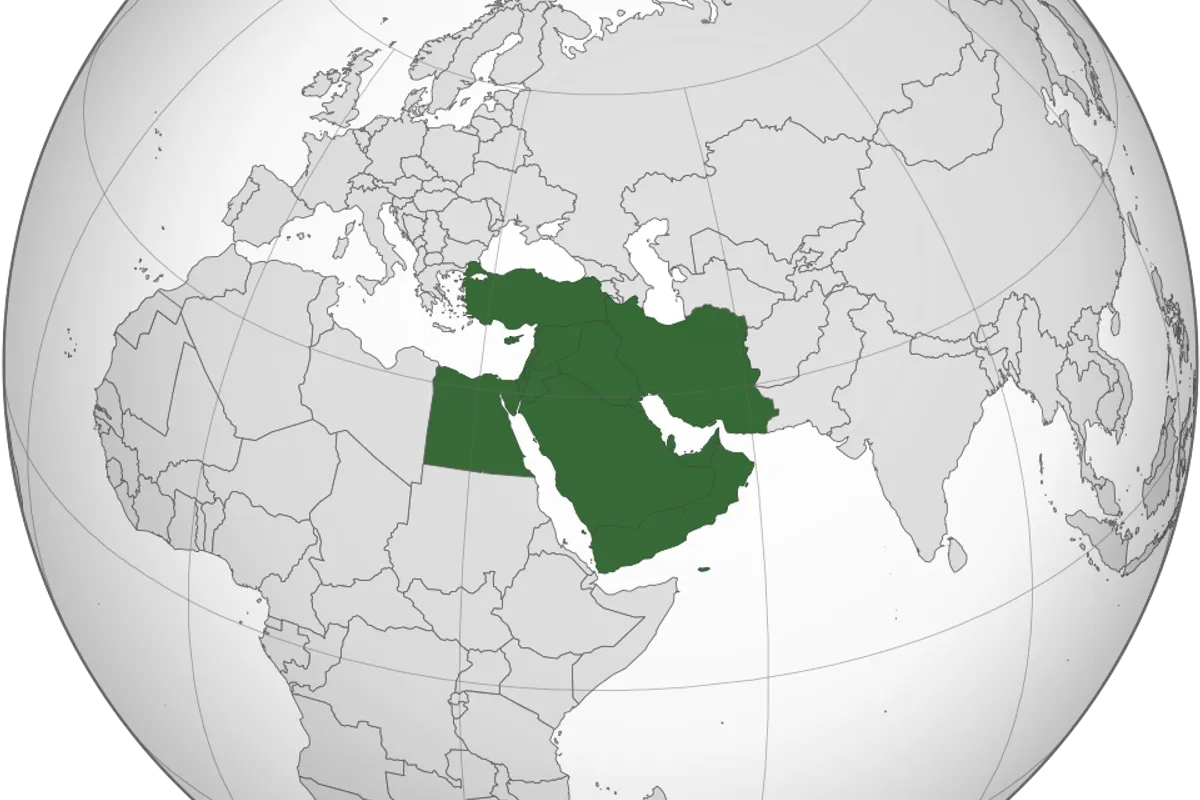
The conflict between the U.S. and Iran, which also involves Israel, has been ongoing since February 28, 2026. In June, Washington and Tehran signed a memorandum of understanding calling for an immediate ceasefire on all fronts, including Lebanon. However, the truce was short-lived. By July 8, the U.S. had resumed massive airstrikes, accusing Tehran of violating the agreement on the Strait of Hormuz.
In early August, specifically on August 2, Trump revealed that he had agreed to cancel a planned major strike on Iran to reach a deal. According to him, Iran and Middle Eastern countries had asked Washington to call off the attack because the parties had already agreed on the outlines of a future agreement. Saudi Arabia's Al Arabiya television reported on August 6, citing a senior source, that mediated consultations between the two sides had entered their final phase.
As the war progressed, Iran became more tactically adept and learned to evade U.S. air defenses, adapting its attacks on American military bases in the Middle East. Over five days in June, Iran's Islamic Revolutionary Guard Corps (IRGC) launched waves of drones and missiles at three U.S. bases in Jordan. They used missiles capable of sudden trajectory changes, forcing U.S. forces to rely on limited stocks of Patriot interceptors, according to the Jerusalem Post, citing a New York Times report.
The deadliest incident occurred on July 17, when an Iranian strike hit a housing unit at Muwaffaq Salti Air Base in Jordan. According to the Jerusalem Post, three U.S. soldiers were killed in the attack. The U.S. Central Command (CENTCOM) in a statement on July 18 gave slightly different figures: two soldiers were killed, and one was listed as missing. Secretary of State Marco Rubio commented to the New York Times: "We shot down almost all the missiles; one got through."
The months-long conflict has severely depleted U.S. military stockpiles. According to a source familiar with the situation at the Pentagon, cited by the Jerusalem Post, the military has fewer than 1,700 Patriot interceptors remaining. Reuters reported on August 4 that the U.S. military had used up "nearly all" of its long-range precision missiles during the five months of war. Between February and July, the U.S. expended about 65 percent of its Patriot interceptor missiles.
When asked about stockpiles, the White House provided Reuters with a statement from Trump claiming that the U.S. has "far more ammunition than anyone else in the world and far more than we need." "Our defense companies are producing more ammunition right now than ever before, expanding their factories and equipment at record levels," Trump said.
The shortage is also felt beyond the Middle Eastern battlefield. Stocks of ATACMS tactical missile systems, which Ukraine has also requested, are so depleted that they are practically gone, according to the Jerusalem Post, citing a Reuters report.