Trump Signs Executive Order on Separating Childhood Vaccines
New order recommends administering vaccines individually and splitting the MMR into three doses, raising concerns among public health experts.
New order recommends administering vaccines individually and splitting the MMR into three doses, raising concerns among public health experts.
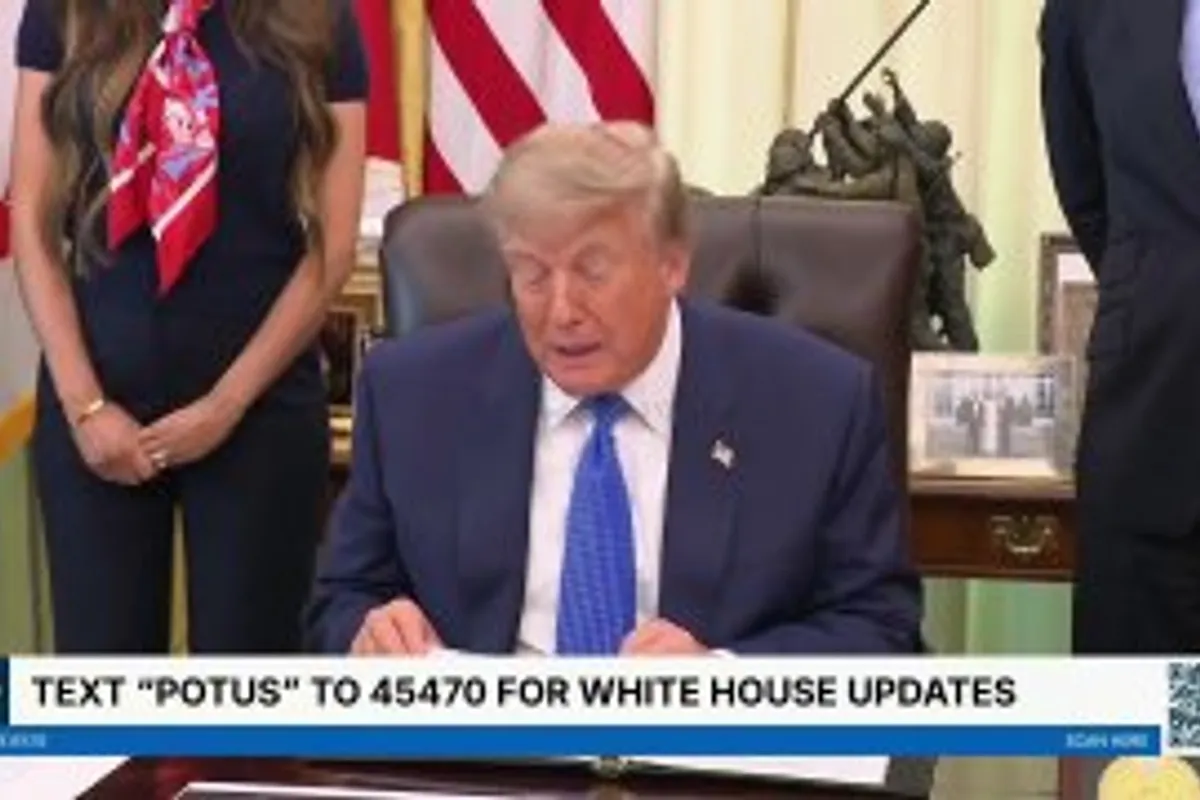
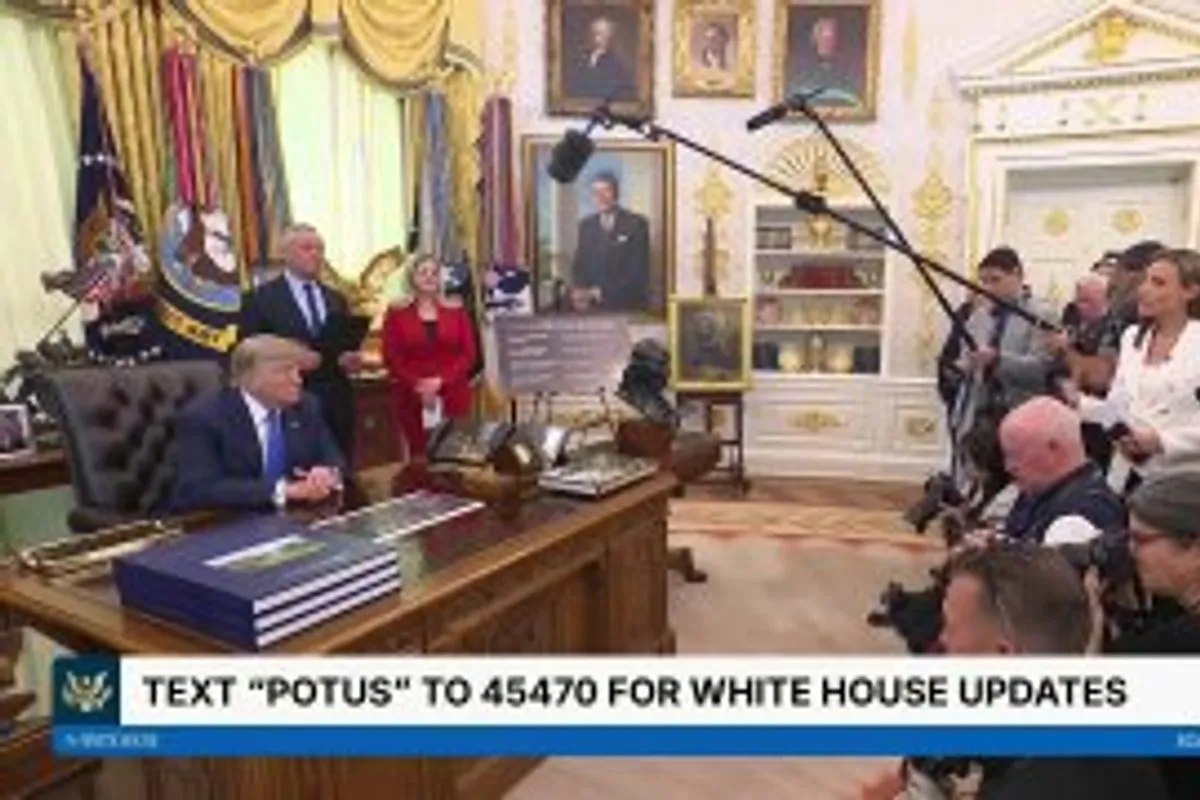
U.S. President Donald Trump will sign an executive order on Monday, August 10, 2026, calling for revised recommendations for childhood vaccinations, promoting his long-held belief that vaccines should be given in separate medical visits. The news was confirmed by the White House and first reported by The Daily Caller, according to the Associated Press.
During the signing ceremony at the White House, Trump stated: "Effective immediately, my administration recognizes the gold standard recommendations for childhood vaccinations of only 11 essential vaccines against the most serious and dangerous diseases, along with the MMR, which we expect to be separated." He also claimed that the United States has recommended more childhood vaccines than any comparable country, and even twice as many doses as some European nations.
According to information from the White House document, the executive order will recommend that each vaccine be administered in a separate doctor's visit. Notably, it outlines a plan to split the measles, mumps, and rubella (MMR) vaccine into three separate injections. However, separate measles, mumps, and rubella vaccines for children are currently not available in the United States, posing a significant practical challenge to implementing this part of the order.
Trump also said at the Oval Office event that one-year-old children should receive their vaccines in five separate visits, though it was unclear whether this applies to all vaccines given at that age or only some of them. The order also directs the U.S. Department of Health and Human Services to enhance vaccine research, according to a White House fact sheet reported by the AP.
Separate from the executive order, Trump announced through his communication channels that vaccination against hepatitis B, COVID-19, and influenza, among others, is no longer recommended for all children, as reported by Clash Report.
Public health experts have expressed concern that separating vaccines, as Trump proposes, could increase the risk of children contracting vaccine-preventable diseases before they receive their next dose. They emphasize that the immunization schedule is based on decades of evidence showing that vaccines protect against serious illness and death, and that the number and timing of doses reflect specific health needs.
The president has long suspected that the number or timing of vaccines could play a role in autism spectrum disorder. During the signing, he claimed that children decades ago received only a fraction of the vaccines recommended or required today, and that people were healthier then, in his view, and did not have today's high rates of diagnosed autism. However, he presented no new scientific evidence for these claims, and the scientific consensus and decades of research firmly conclude that no such link exists.
Childhood vaccines, as well as the way and timing of their combined administration, undergo rigorous studies, and safety monitoring continues for years after vaccines are introduced. Trump has spoken on these topics before, for instance, in the Oval Office on August 6, 2026.
Despite changes in federal recommendations, it is worth noting that states, not the federal government, have the authority to require vaccines for children entering school. The executive order will direct states that have such requirements to consider amending their laws to reflect the Trump administration's recommendations, according to the AP. Key details of the order, including how it will be implemented and the role of U.S. health agencies, have yet to be clarified, and it has not been announced whether existing recommendations will be changed immediately.
The news comes as the school year begins across the country and the U.S. faces a measles outbreak. Experts warn that the country could lose its measles elimination status as a result. The new executive order could further complicate efforts to contain this infectious disease, as health experts warn that spreading unfounded claims about vaccines can reduce vaccination coverage and increase the risk of a resurgence of preventable infectious diseases.