Trump Cuts Short Military Drills with South Korea
The joint 'Ulchi Freedom Shield' exercises will end on August 21 instead of August 27, and the second phase has been canceled. The decision was made at the request of the U.S. side.
The joint 'Ulchi Freedom Shield' exercises will end on August 21 instead of August 27, and the second phase has been canceled. The decision was made at the request of the U.S. side.
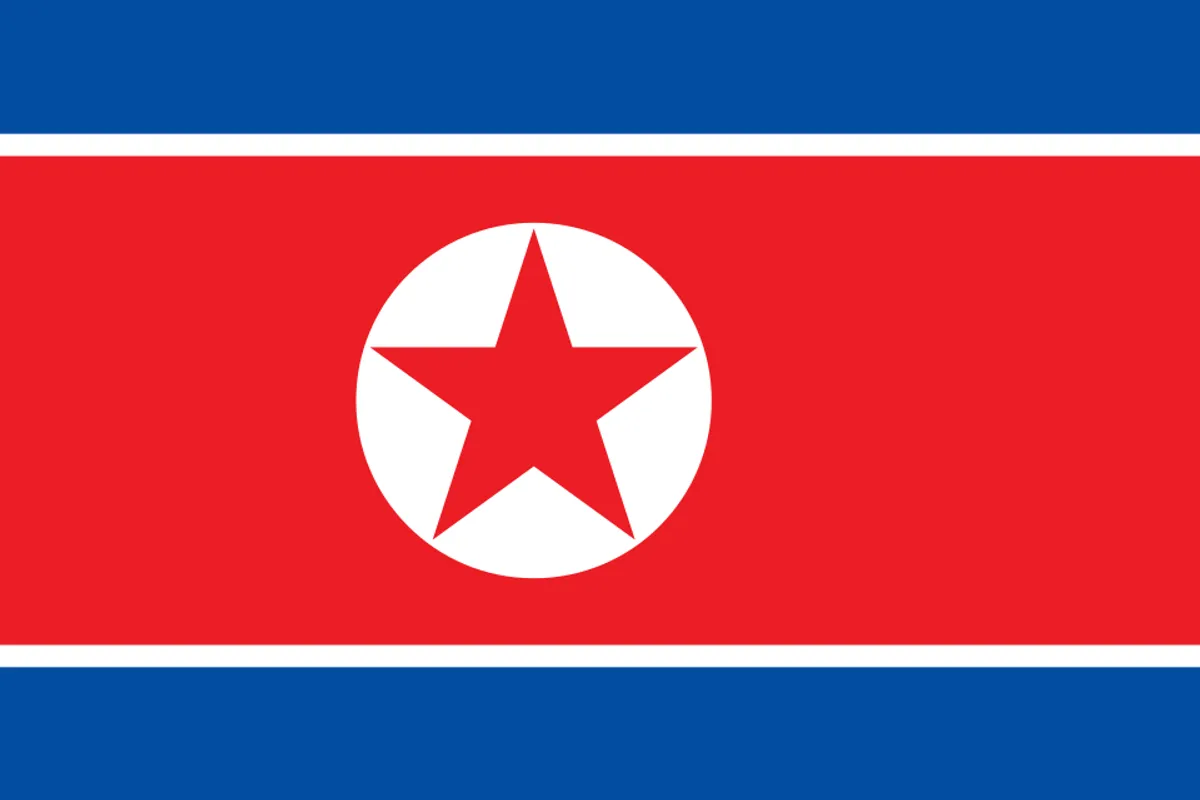
The United States and South Korea have shortened their annual joint military exercises by nearly a week, both countries announced on Wednesday, August 19, 2026. The drills, named 'Ulchi Freedom Shield' (UFS), were originally scheduled to run until August 27 but will now conclude on Friday, August 21.
South Korea's Joint Chiefs of Staff confirmed the schedule adjustment in an official statement. "We have decided to adjust the UFS exercise period to run from August 17 to August 21," they said. The decision, they added, was made "at the proposal of the U.S. side."
U.S. President Donald Trump announced on his Truth Social platform a few days ago that he had ordered the Pentagon to reduce the drills, just one day before they were set to begin. He cited his good relations with North Korean leader Kim Jong Un and South Korea's refusal to join the American war against Iran as reasons.
The Pentagon confirmed that the exercises have been "significantly reduced," emphasizing that they will "preserve essential readiness and will not cause degradation of U.S. training objectives." The drills are typically designed to prepare for defense against a potential North Korean attack, and the alliance between the two countries dates back to the Korean War (1950-1953).
According to reports, the exercises were supposed to consist of two phases. The first, focused on defending against potential North Korean threats, was to run until Friday, August 21. The second phase, focused on counteroffensive operations, was planned for August 24-27 but has now been canceled.
South Korea's public broadcaster KBS reported that the counterattack drills have been scrapped. One South Korean military official described the decision as "unusual" to AFP.
North Korea's state news agency KCNA on Wednesday criticized the drills as "the most direct and open threat" to North Korea and regional security, but did not mention Trump's order or his desire to resume dialogue. A few days before this year's drills began, North Korea fired two ballistic missiles into the sea.
Hong Min, a senior researcher at the Korea Institute for National Unification, believes Pyongyang deliberately avoided mentioning Trump. "Pyongyang is sticking to general principles as if completely unaware of Trump's comments," he told AFP. He added that showing awareness could suggest a degree of mutual understanding, while ignoring it signals that the issue could become a key bargaining point in future talks with Trump.
South Korean Foreign Minister Cho Hyun told lawmakers on Wednesday that Seoul was not notified in advance of Trump's plan to reduce the drills. "Neither our government nor U.S. officials knew in advance what President Trump revealed via Truth Social," Cho said.
Trump, meanwhile, insisted that through his ties with Kim, he is making the situation much safer. Asked on Monday whether Kim had responded to his requests for talks, Trump confirmed: "Yes, he has." He said the conversations were very positive but did not provide further details.
Many experts warn that Trump's order could undermine the joint operational readiness of U.S. and South Korean forces and, in the long term, weaken their decades-old alliance.
Park Won-gon, a professor at Ewha Womans University, told AFP that the reduction could have a positive effect on the possibility of dialogue between the U.S. and North Korea. "The suspension of joint exercises has always been a precondition for North Korea to enter into dialogue with the U.S.," he added.
Yang Moo-jin, former president of the University of North Korean Studies, noted that there is ongoing speculation that Washington might seek renewed talks with Pyongyang ahead of the U.S. elections in November. "For Trump, a meeting with Kim Jong Un could offer an opportunity to secure a foreign policy legacy," he told AFP.
According to the Wall Street Journal, citing unnamed U.S. officials, Trump is pushing his aides to arrange a meeting with Kim as early as this fall, potentially at the Asia-Pacific Economic Cooperation (APEC) summit in Shenzhen, China, in November. Trump met Kim multiple times during his first administration: the first summit was held in Singapore in 2018, and the second in Hanoi in 2019 ended in a fiasco when Kim walked out before the official program concluded due to disagreements over nuclear disarmament.