Trump Ready for Lasting Peace with Iran, but Hormuz Must Remain Open
Iran's conditions include full US withdrawal from the region and war reparations, while the agreement with Oman on new maritime routes enters its final phase.
Iran's conditions include full US withdrawal from the region and war reparations, while the agreement with Oman on new maritime routes enters its final phase.
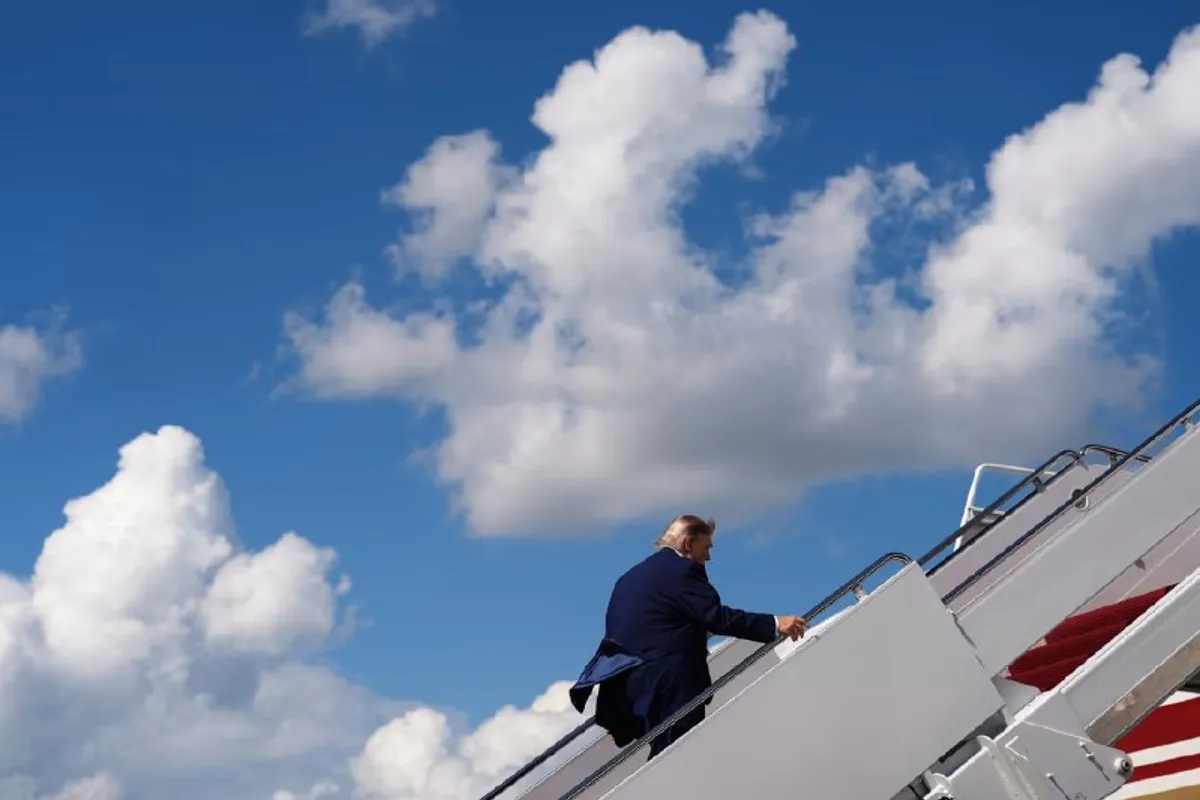
US President Donald Trump is ready to extend the current ceasefire with Iran on a permanent basis and end the war, even without reaching a nuclear deal, under one key condition: that the Strait of Hormuz be fully reopened to traffic. This information comes from WarFront Witness, citing US officials.
According to the same sources, Trump believes that the threat of renewed airstrikes will serve as a sufficient deterrent to prevent Iran from further developing its nuclear program. The Strait of Hormuz, through which roughly one-fifth of the world's oil and liquefied natural gas shipments passed before the blockade, is of strategic importance to the global energy market, and its reopening would directly contribute to lowering fuel prices. A US official stated on Friday that the agreement between Iran and Oman is close and could soon lead to the reopening of the waterway.
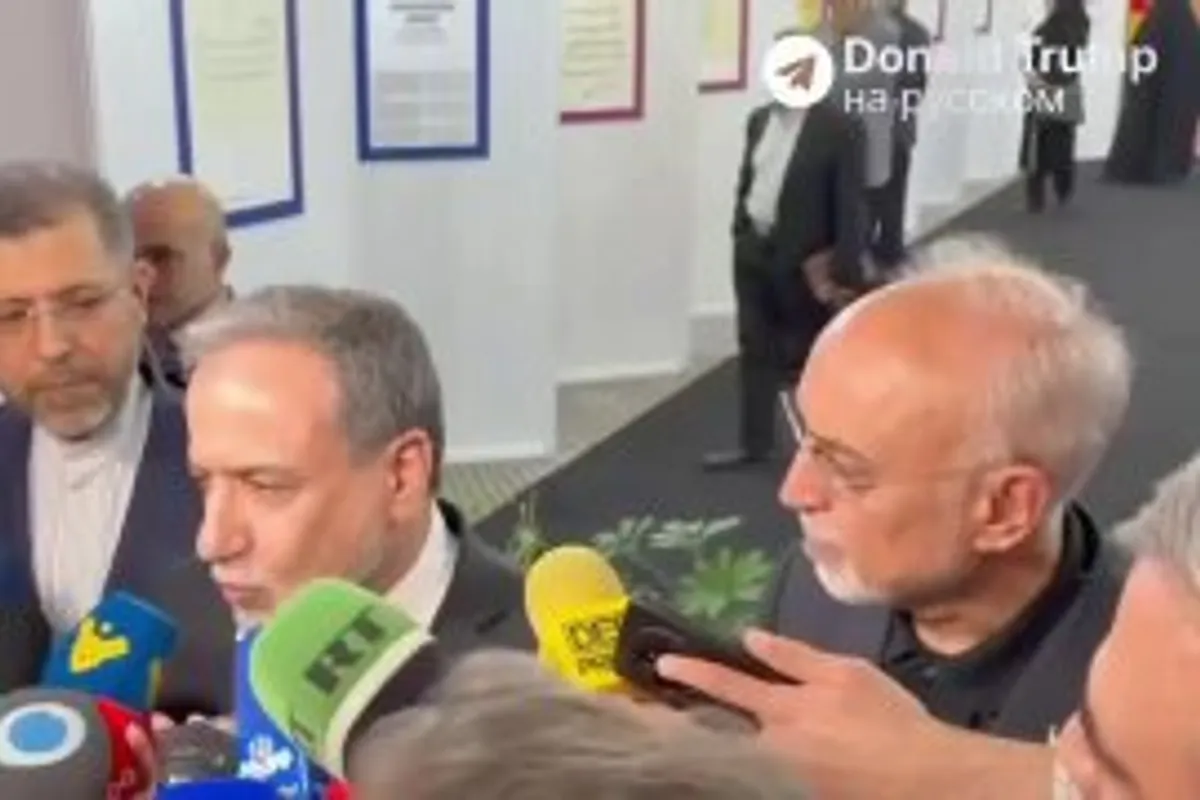
The Iranian side, however, does not intend to yield without significant concessions. Tehran demands the full withdrawal of US forces from the region and the payment of war reparations in exchange for reopening the strait. Iranian Foreign Minister Abbas Araqchi said on Saturday that the agreement with Oman on defining new shipping routes in the Strait of Hormuz is in its "final stages," according to Iran's Mehr news agency.
Araqchi emphasized that the deal itself does not mean the strait will automatically reopen. "The agreement will define new shipping routes to be used once the US meets our conditions and the strait is reopened," he said. He also added that Iran and the US are currently not in direct negotiations and that Tehran will not begin any until Washington violates the terms of the interim agreement signed in June 2026. Messages are exchanged through intermediaries, he noted.
The United States began airstrikes on Iran in late February 2026, citing the goal of preventing the Islamic Republic from developing nuclear weapons and threatening the region with missiles or through its allied groups. After months of hostilities, an interim ceasefire agreement was reached in June, but tensions remain extremely high.
In late July, Iranian missiles were displayed at Azadi Square in Tehran, and motorcyclists rode past banners bearing the image of President Trump, a clear sign of the Iranian regime's unyielding stance. The agreement with Oman now emerges as a potential key to de-escalation, but its implementation depends on a series of political decisions between Washington and Tehran.
For the global energy market, any move toward reopening the Strait of Hormuz would be a significant relief. The blockade of this narrow maritime passage has kept oil and gas prices elevated for months, putting pressure on economies worldwide, including the European Union.